Acupuncture in Ipoh: When Do You Need Acupuncture During Physiotherapy?
You’ve been attending physiotherapy sessions and following your exercise programme. Yet the pain still lingers. Recovery feels slower than expected, and certain movements remain uncomfortable.
This is a common experience for patients recovering from sports injuries, chronic pain, post-operative conditions, or muscle tightness. While physiotherapy remains the foundation, some patients may benefit from an additional treatment to help reduce pain, relax tight muscles, and support their progress.
One of the most common complementary treatments is acupuncture. When recommended at the right stage of recovery, it can work alongside physiotherapy to improve comfort and help patients get more out of each rehabilitation session.
If you’re considering acupuncture treatment in Ipoh, this guide explains when it may be appropriate, how it complements physiotherapy, and whether it’s the right option for your recovery.
Why Doesn’t Pain Always Improve with Physiotherapy Alone?
Physiotherapy addresses the underlying cause of pain by improving movement, strength, and function. However, some patients continue to experience pain because of:
- Persistent muscle tightness or trigger points
- Chronic inflammation
- Nerve sensitivity
- Muscle guarding after injury or surgery
- Long-standing movement compensation
When pain limits movement, it may also reduce the effectiveness of rehabilitation exercises.
This is where acupuncture may become a valuable addition to your recovery plan.
What Is Acupuncture?
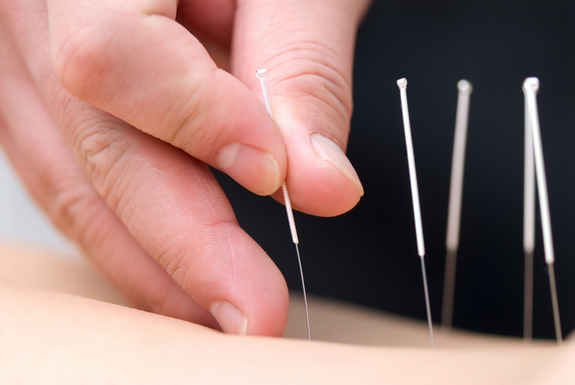
Acupuncture is a treatment that involves inserting very fine, sterile needles into specific points on the body to help relieve pain, reduce muscle tension, and support the body’s natural healing process.
Originating from Traditional Chinese Medicine (TCM), acupuncture has been practised for thousands of years to promote overall health and restore balance within the body. Today, acupuncture is also widely used alongside modern rehabilitation and physiotherapy to help manage musculoskeletal pain and improve recovery outcomes.
Common Types of Acupuncture
Although acupuncture techniques share the use of fine needles, they differ in their treatment philosophy and purpose. Two common techniques include:
Traditional Chinese Acupuncture
Traditional Chinese Acupuncture aims to restore balance within the body by stimulating specific acupuncture points believed to influence overall health and wellbeing.
It is commonly used to support:
- Chronic pain
- Headaches and migraines
- Stress-related conditions
- General wellness
Medical Acupuncture
Medical acupuncture applies modern medical knowledge and scientific evidence to acupuncture techniques.
It may be recommended for:
- Neck and shoulder pain
- Joint pain
- Sports injuries
- Post-operative rehabilitation
- Chronic musculoskeletal conditions
Dry Needling
Many people assume dry needling is the same as acupuncture, but the two approaches have different treatment goals.
Unlike Traditional Chinese Acupuncture, which is based on restoring the body’s overall balance, dry needling specifically targets dysfunctional muscles to improve movement and support rehabilitation.
It is commonly used for:
- Muscle tightness and spasms
- Sports injuries
- Neck and back pain
- Shoulder pain
- Muscle-related movement restrictions
When Is Acupuncture Considered During Physiotherapy?
Your physiotherapist may recommend acupuncture if you experience:
- Pain that remains after several physiotherapy sessions
- Muscle tightness limiting movement
- Chronic neck or back pain
- Sports injuries with ongoing muscle tension
- Post-operative pain slowing rehabilitation
- Trigger points causing referred pain
- Difficulty performing rehabilitation exercises because of pain
Acupuncture is not used as a standalone solution. Instead, it complements physiotherapy by helping patients manage pain more effectively so they can participate fully in rehabilitation.
If pain continues to interfere with your progress, speak to our physiotherapists to find out whether acupuncture is suitable for your condition.
How Acupuncture Supports Physiotherapy Recovery
Acupuncture supports physiotherapy by helping reduce pain and muscle tension, making it easier for patients to move comfortably and participate fully in rehabilitation.
Potential benefits include:
- Reducing muscle tightness
- Relieving pain
- Improving movement
- Supporting muscle relaxation
- Helping patients progress through rehabilitation exercises more comfortably
- Improving blood circulation around the affected area
When combined with physiotherapy, acupuncture addresses pain while physiotherapy focuses on restoring strength, movement, and long-term function.
Why Choose Prime Motion for Acupuncture in Ipoh
At Prime Motion, acupuncture is offered as a complementary therapy alongside physiotherapy to support patients who may benefit from additional pain relief and muscle relaxation during rehabilitation.
Patients choose Prime Motion because we provide:
- Personalised treatment plans based on your condition, symptoms, and recovery goals.
- An integrated rehabilitation approach, where acupuncture complements physiotherapy to support more comfortable and effective recovery.
- Experienced clinical leadership under Dr. Devanandhini Krisnan, one of the few practitioners in Malaysia trained in both Western Pain Medicine and Traditional Chinese Medicine (TCM).
- Patient-centred care focused on helping you recover safely, move with greater confidence, and return to the activities that matter most.
Whether you’re recovering from an injury, surgery, or managing persistent musculoskeletal pain, our team works closely with you to determine whether acupuncture is the right addition to your rehabilitation journey.
If you’re searching for a trusted acupuncture treatment in Ipoh, Prime Motion is here to help. Book a consultation at Prime Motion Rehabilitation & Physiotherapy Centre today and start your journey toward better movement, reduced pain, and lasting recovery.
Contact us via WhatsApp for quick consultation and appointment booking.
WhatsApp: +60 12 977 3852
Frequently Asked Questions (FAQ)
Q1: Is acupuncture painful?
Most patients feel little to no discomfort. The needles used are extremely fine, and many patients describe only a mild tingling sensation.
Q2: Can acupuncture replace physiotherapy?
No. Acupuncture complements physiotherapy by helping reduce pain and muscle tension, allowing patients to participate more effectively in rehabilitation.
Q3: Is dry needling the same as acupuncture?
Not exactly. Dry needling focuses on releasing tight muscles that cause pain and restrict movement, whereas traditional acupuncture aims to restore the body’s overall balance based on Traditional Chinese Medicine (TCM). Your healthcare professional will recommend the most suitable approach based on your condition.
Q4: How many acupuncture sessions will I need?
The number of sessions depends on your condition, pain severity, and response to treatment. Contact Prime Motion via WhatsApp: +60 12 977 3852 for a personalised consultation and treatment recommendation.
Q5: What conditions can acupuncture help with?
Acupuncture may help relieve pain and support recovery for a range of musculoskeletal conditions, including:
- Back pain
- Neck and shoulder pain
- Sports injuries
- Muscle tightness and trigger points
- Joint pain
- Tennis elbow
- Knee pain
- Frozen shoulder
When appropriate, acupuncture is often combined with physiotherapy and exercise rehabilitation to improve comfort, movement, and recovery outcomes.