Stroke Recovery Exercises at Home: A Guide by Physiotherapists in Ipoh
Recovering from a stroke does not stop when rehabilitation sessions end. Consistent practice at home plays an important role in improving mobility, strength, balance, and independence. If you are searching for stroke recovery exercises at home, performing safe and appropriate exercises can help support your rehabilitation journey and complement professional physiotherapy treatment. With proper guidance, stroke survivors can continue making meaningful progress in their recovery from the comfort of home.
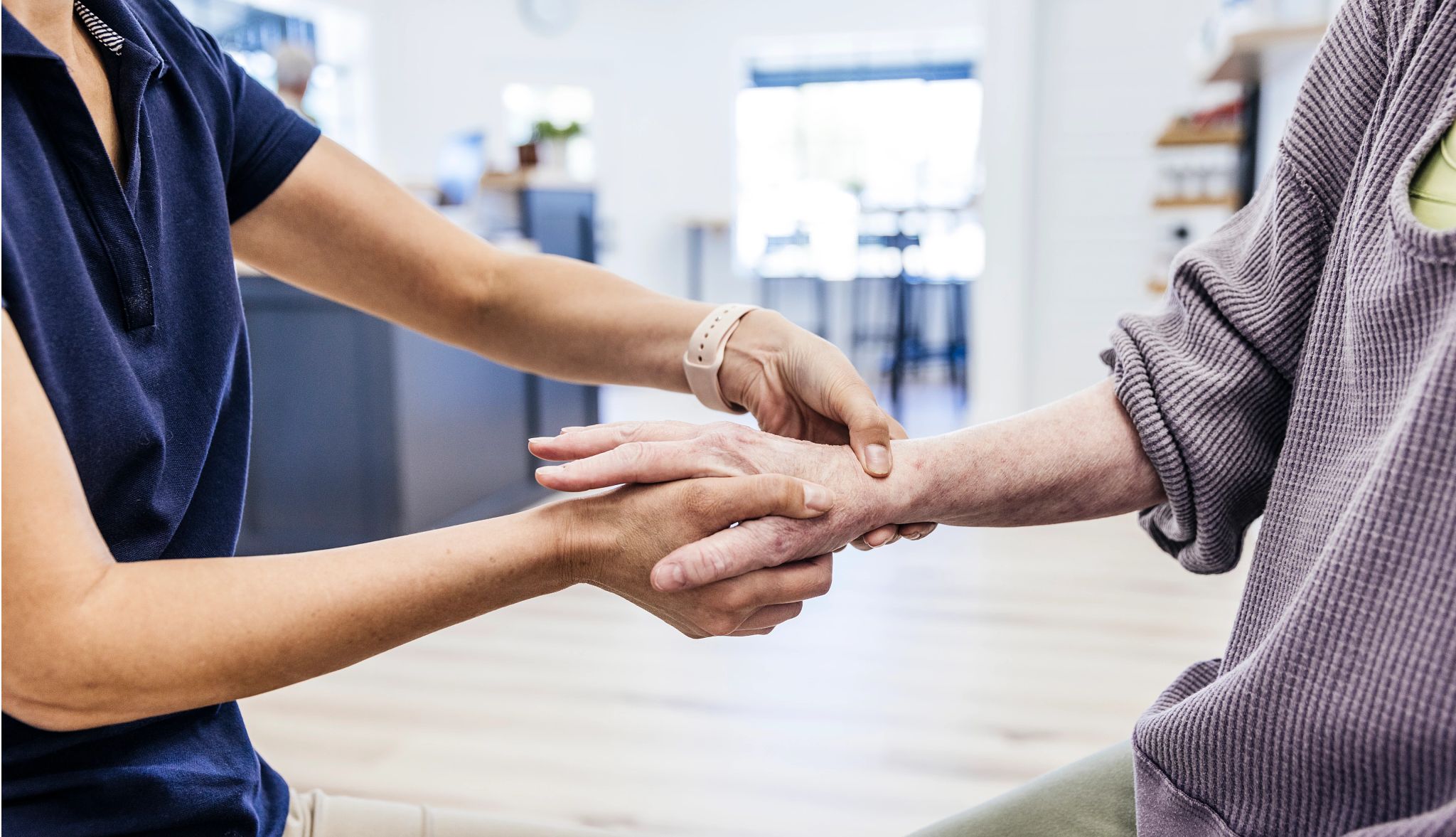
WHY ARE HOME EXERCISES IMPORTANT AFTER A STROKE?
Stroke rehabilitation requires regular and repetitive movement practice to help the brain and body relearn essential functions.
Benefits of home-based stroke exercises include:
- Improving muscle strength
- Enhancing balance and coordination
- Increasing joint mobility
- Supporting walking ability
- Improving daily functional activities
- Encouraging independence
- Maintaining progress between physiotherapy sessions
Home exercises should always be performed according to the individual’s condition and rehabilitation goals.
SAFETY TIPS BEFORE STARTING HOME STROKE REHAB EXERCISES
Before beginning any exercise program:
- Consult your physiotherapist first
- Exercise in a safe, clutter-free environment
- Use support when necessary
- Wear comfortable clothing and footwear
- Stop if you experience dizziness or unusual pain
- Have a caregiver nearby if balance is a concern
Safety should always be the priority during stroke recovery.
STROKE RECOVERY EXERCISES AT HOME
1. Seated Marching Exercise
This exercise helps improve hip strength and coordination.
How to Perform:
- Sit upright in a chair
- Lift one knee toward your chest
- Lower slowly
- Alternate between both legs
Recommended:
10–15 repetitions per leg
2. Sit-to-Stand Exercise
This exercise helps improve lower limb strength and functional mobility.
How to Perform:
- Sit on a stable chair
- Lean forward slightly
- Push through your legs to stand
- Slowly return to sitting
Recommended:
8–12 repetitions
3. Heel Raises
Heel raises help improve balance and calf strength.
How to Perform:
- Stand behind a chair for support
- Rise onto your toes
- Hold briefly
- Lower slowly
Recommended:
10–15 repetitions
4. Arm Reach Exercises
These exercises help improve shoulder mobility and upper limb coordination.
How to Perform:
- Sit or stand comfortably
- Reach forward slowly
- Return to the starting position
- Repeat in different directions as advised
Recommended:
10 repetitions
5. Weight-Shifting Exercise
Weight shifting helps improve standing balance and body awareness.
How to Perform:
- Stand with support nearby
- Shift your body weight gently from one side to the other
- Maintain control throughout the movement
Recommended:
1–2 minutes
COMMON MISTAKES DURING HOME STROKE REHABILITATION
Many stroke survivors unintentionally slow their progress by making common rehabilitation mistakes.
Examples include:
- Performing exercises incorrectly
- Exercising too aggressively
- Skipping rehabilitation sessions
- Inconsistent exercise routines
- Ignoring pain or discomfort
- Attempting advanced exercises too early
Regular follow-up with a physiotherapist helps ensure exercises remain safe and effective.
WHEN SHOULD YOU SEE A PHYSIOTHERAPIST?
Professional physiotherapy is recommended if the patient experiences:
- Difficulty walking
- Frequent falls or balance issues
- Persistent weakness
- Joint stiffness
- Difficulty performing daily activities
- Slow recovery progress
- Reduced confidence in movement
A physiotherapist can assess progress and modify rehabilitation plans according to recovery needs.
WHEN SHOULD YOU SEE A PHYSIOTHERAPIST?
Professional physiotherapy is recommended if the patient experiences:
- Difficulty walking
- Frequent falls or balance issues
- Persistent weakness
- Joint stiffness
- Difficulty performing daily activities
- Slow recovery progress
- Reduced confidence in movement
A physiotherapist can assess progress and modify rehabilitation plans according to recovery needs.
HOW PRIME MOTION SUPPORTS STROKE RECOVERY IN IPOH
At PrimeMotion, we provide individualized stroke rehabilitation programs tailored to each patient’s condition and goals.
Our Stroke Rehabilitation Services Include:
- Functional movement training
- Balance and gait rehabilitation
- Strengthening programs
- Mobility exercises
- Neurological rehabilitation
- Caregiver education
- Home exercise prescription
- Progress monitoring and reassessment
Our goal is to help stroke survivors regain independence and improve quality of life through structured rehabilitation.
Looking for professional guidance beyond home stroke rehab exercises?
Book a consultation with PrimeMotion today and receive a personalized stroke rehabilitation plan designed to support safe and effective recovery.
WhatsApp: +60 12 977 3852
Frequently Asked Questions (FAQ)
Q1: How often should stroke patients perform home exercises?
The frequency depends on the individual’s condition and rehabilitation plan. Many patients benefit from daily practice, but exercises should follow recommendations from their physiotherapist.
Q2: Can stroke patients fully recover through home exercises alone?
Home exercises are important, but professional physiotherapy often provides additional assessment, supervision, and progression that can improve recovery outcomes.
Q3: What is the best exercise after a stroke?
There is no single best exercise. The most effective exercises depend on the patient’s specific impairments, recovery stage, and rehabilitation goals.
Q4: How long should stroke rehabilitation continue?
Recovery timelines vary significantly. Many patients continue rehabilitation for months to maximize improvements in mobility, strength, and independence.
Q5: Where can I get physiotherapy advice in Ipoh for stroke recovery?
PrimeMotion provides professional stroke rehabilitation and physiotherapy services in Ipoh, including personalized home exercise programs and ongoing recovery support.