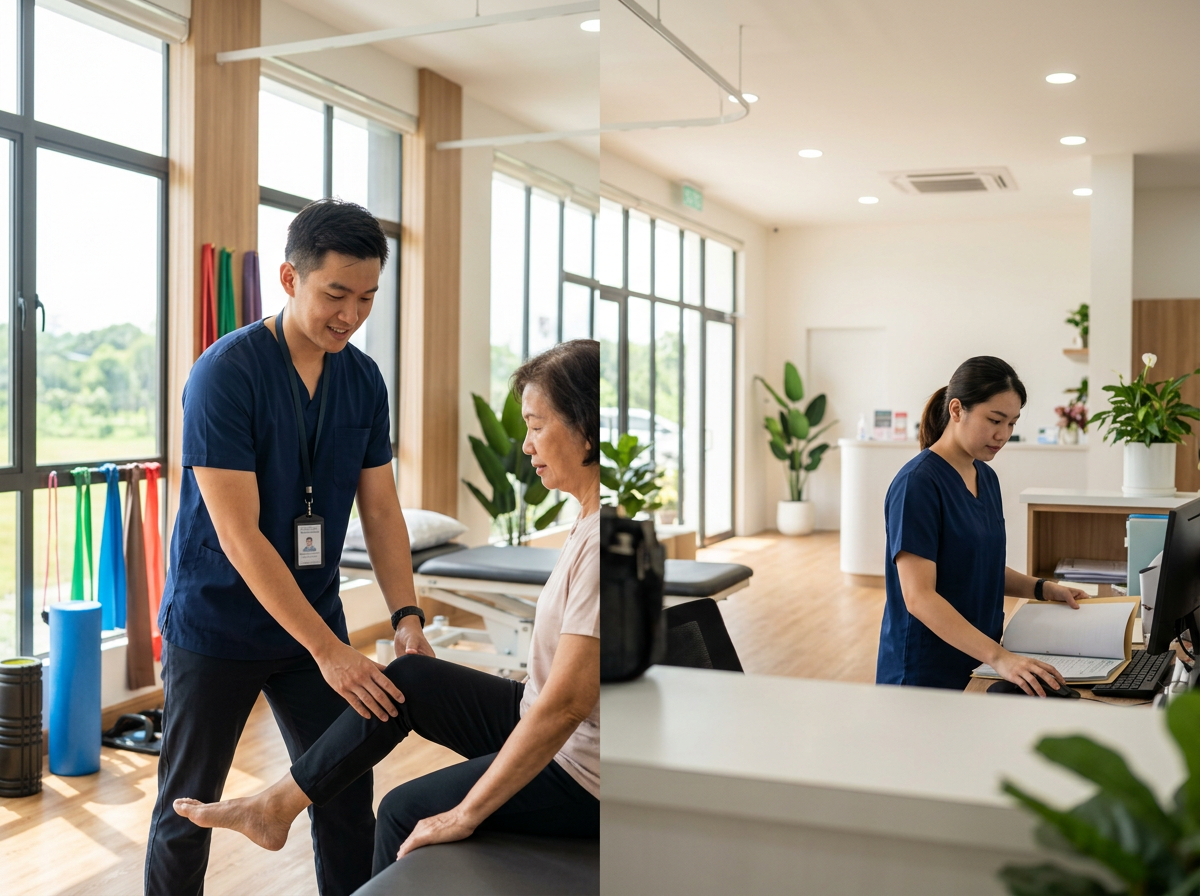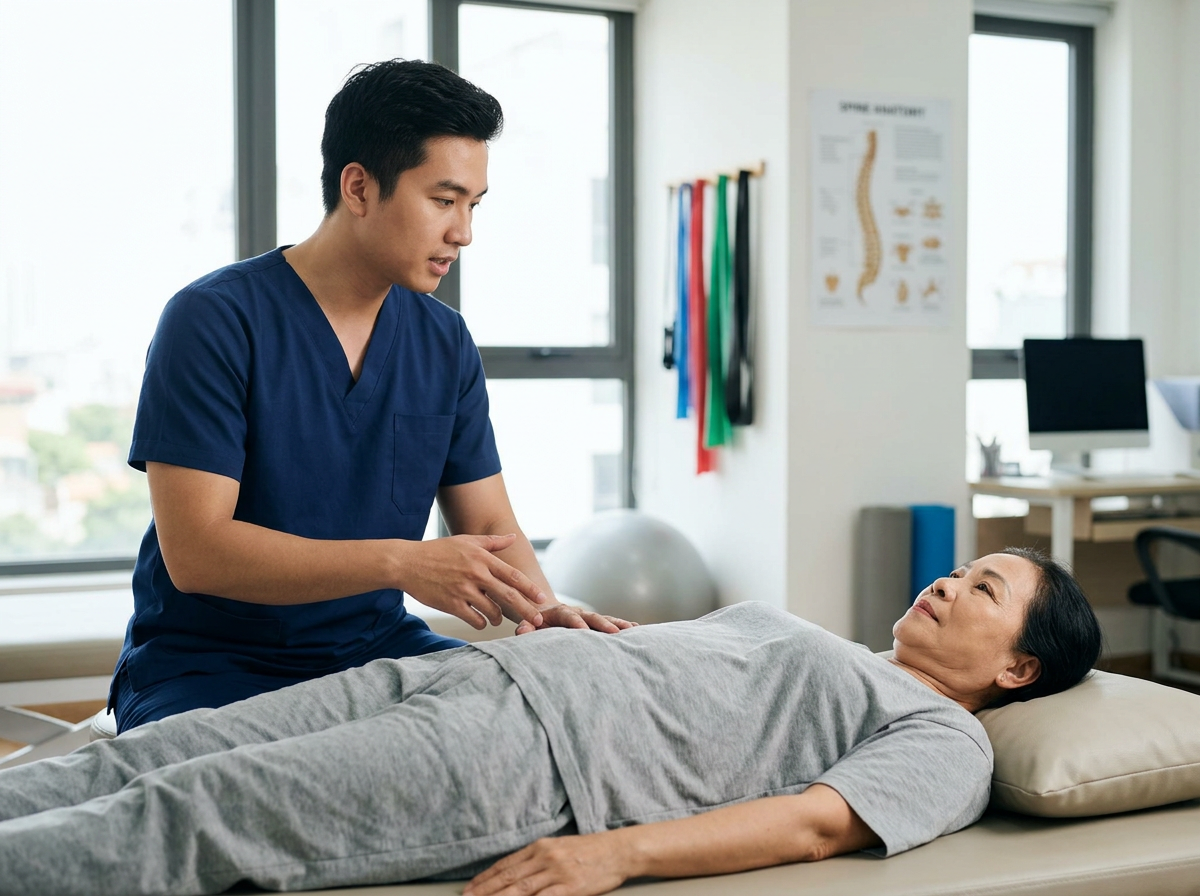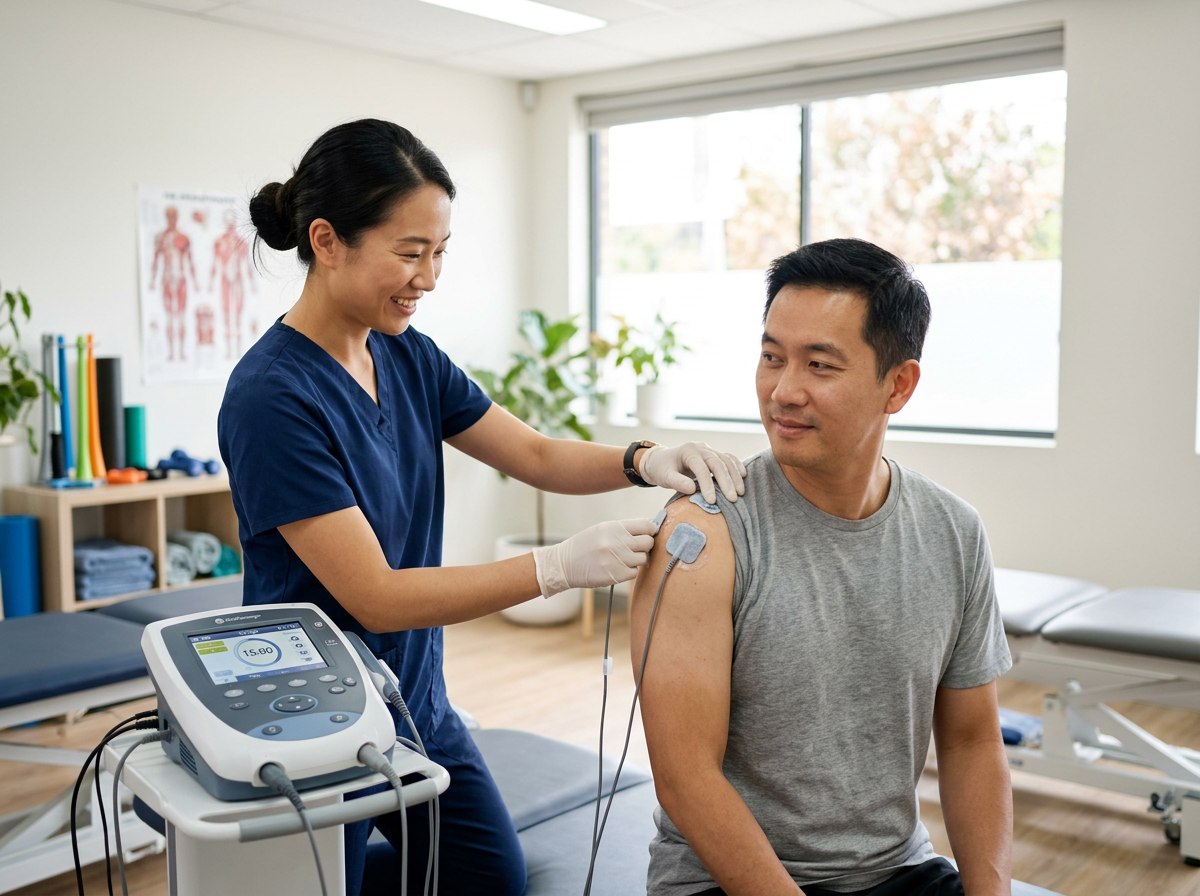
Clinic for Muscle and Nerve Pain Ipoh | Physiotherapy for Lasting Pain Relief

How Physiotherapy Helps Treat Muscle and Nerve Pain?

Pain that won’t go away can affect every part of your daily life. Whether it’s persistent muscle soreness, tingling down your leg, numbness in your hands, or sharp pain when you move, muscle and nerve pain can make simple activities feel difficult.

Many people rely on painkillers for temporary relief, but medication often only masks the symptoms without addressing the underlying cause. If your pain keeps returning, it may be time to seek professional assessment and treatment.

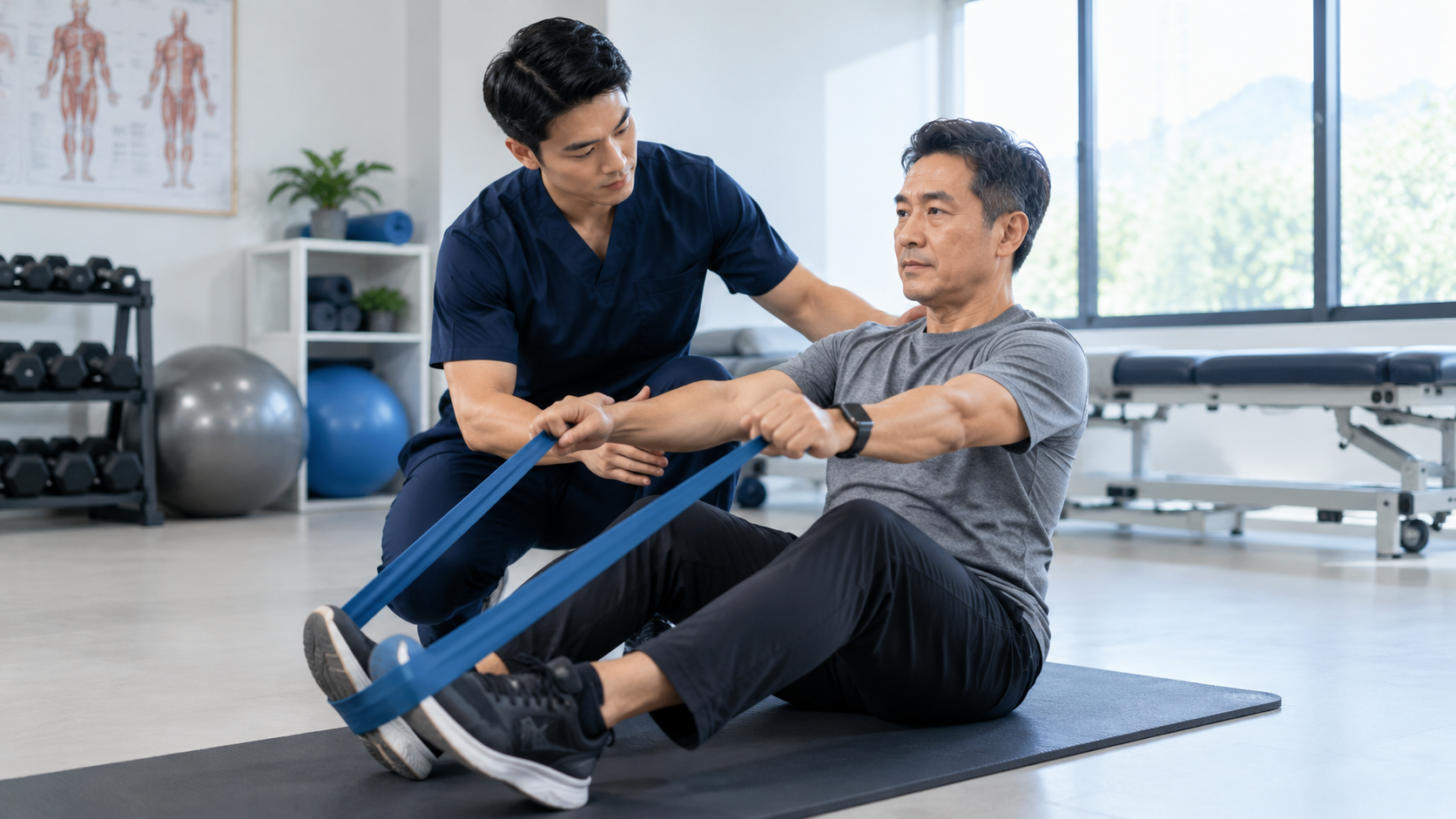
Physiotherapy is one of the most effective non-surgical approaches for treating both muscle and nerve pain. By identifying the root cause of your symptoms, physiotherapists develop personalised treatment plans that help relieve pain, restore movement, and prevent the condition from recurring.

If you’re searching for a trusted clinic for muscle and nerve pain in Ipoh, this guide explains how physiotherapy can help and when it’s time to seek treatment.


What Causes Muscle and Nerve Pain?

Although muscle pain and nerve pain can sometimes occur together, they have different causes and require different treatment approaches.

Muscle Pain

Muscle pain commonly develops due to:

  • Muscle strain or overuse
  • Poor posture
  • Sports injuries
  • Muscle tightness or trigger points
  • Repetitive work-related activities
  • Joint dysfunction causing surrounding muscles to compensate

Symptoms may include:

  • Aching muscles
  • Stiffness
  • Tenderness
  • Reduced flexibility
  • Pain during movement

Nerve Pain

Nerve pain occurs when a nerve becomes compressed, irritated, or damaged.

Common causes include:

  • Herniated (slipped) disc
  • Sciatica
  • Spinal degeneration
  • Nerve entrapment
  • Diabetes-related nerve conditions
  • Post-surgical nerve irritation

Symptoms often include:

  • Sharp or burning pain
  • Tingling
  • Numbness
  • Pins and needles sensation
  • Weakness in the affected limb
  • Pain radiating down the arm or leg

Because the source of pain differs, receiving the correct diagnosis is essential before starting treatment.

Common Conditions Physiotherapy Can Treat

A physiotherapist can assess and manage many conditions involving muscle and nerve pain, including:

  • Sciatica
  • Neck pain
  • Lower back pain
  • Shoulder pain
  • Muscle strains
  • Trapped nerves
  • Tennis elbow
  • Carpal tunnel syndrome
  • Piriformis syndrome
  • Chronic musculoskeletal pain
  • Sports injuries
  • Post-operative pain

If you’re experiencing ongoing muscle pain in Ipoh or looking for nerve pain treatment in Ipoh, early intervention can help prevent symptoms from becoming more severe.

How Physiotherapy Helps Treat Muscle and Nerve Pain

Unlike treatments that focus only on relieving symptoms, physiotherapy aims to address the underlying cause of your pain.

After a comprehensive assessment, your physiotherapist will identify what’s contributing to your symptoms and create a personalised rehabilitation programme.

Treatment may include:

Pain Management

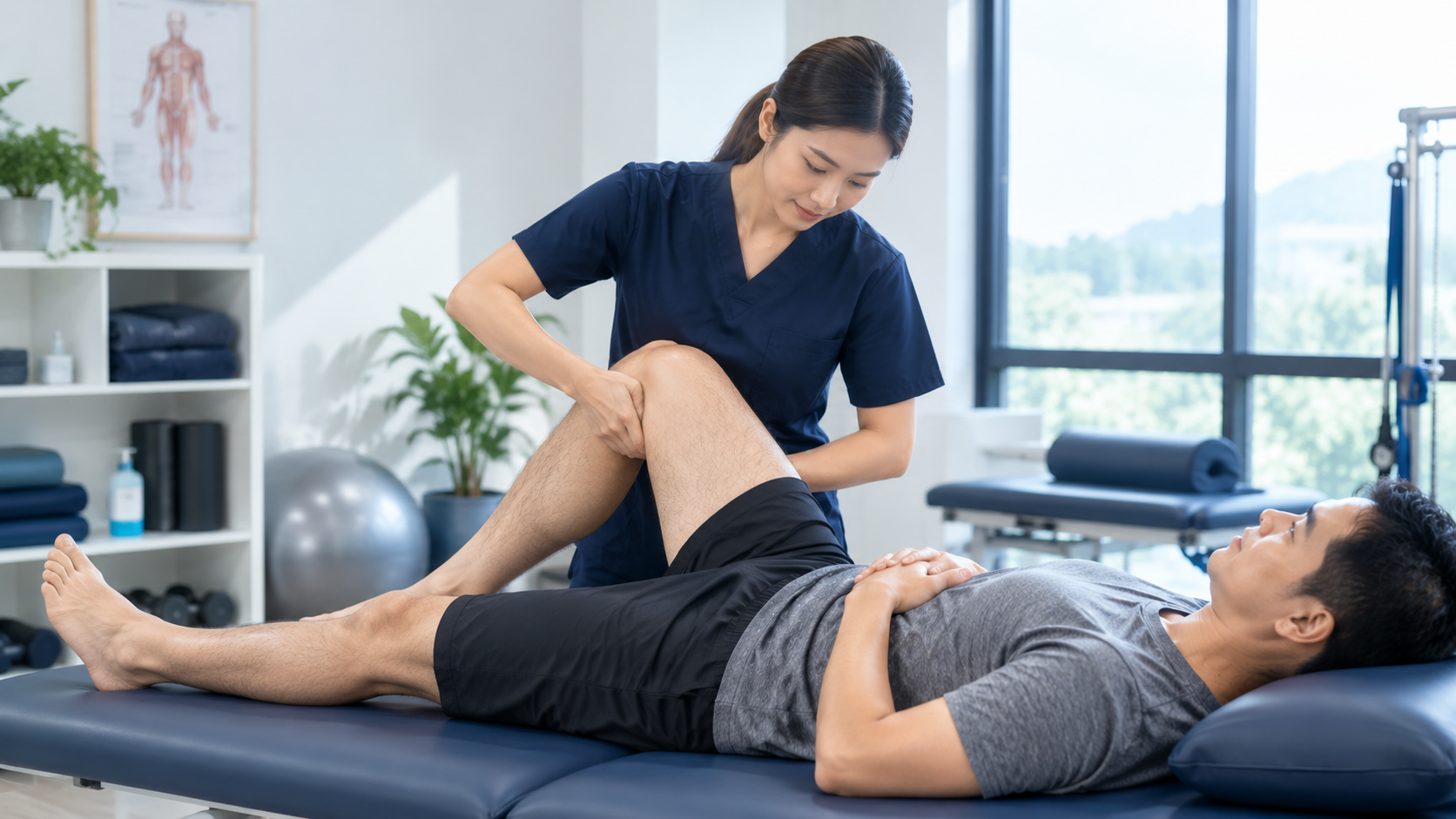
Hands-on techniques may help reduce pain, muscle tension, and joint stiffness, allowing you to move more comfortably.

Targeted Exercise Therapy

Specific strengthening and stretching exercises improve muscle balance, stability, and flexibility while reducing stress on affected joints and nerves.

Nerve Mobilisation

For certain nerve conditions, specialised techniques may help reduce nerve irritation and improve nerve movement.

Posture and Movement Correction

Poor posture and movement habits often contribute to recurring pain. Physiotherapists help correct these patterns to reduce unnecessary strain on muscles and nerves.

Education and Prevention

Patients receive advice on workplace ergonomics, daily activities, and home exercises to reduce the likelihood of future pain episodes.

Rather than offering short-term relief, physiotherapy focuses on restoring long-term movement and function.

Can Physiotherapy Help Sciatica?

Sciatica is one of the most common nerve conditions treated by physiotherapists.

It occurs when the sciatic nerve becomes irritated or compressed, often due to a herniated disc or spinal changes.

Common symptoms include:

  • Pain travelling from the lower back into the buttock and leg
  • Tingling or numbness
  • Burning sensations
  • Weakness in the leg
  • Pain when sitting or walking for prolonged periods

Physiotherapy for sciatica treatment in Ipoh may include:

  • Gentle mobility exercises
  • Core strengthening
  • Nerve gliding techniques
  • Manual therapy
  • Postural correction
  • Gradual return-to-activity programmes

Early treatment often helps reduce symptoms and improves recovery without surgery for many patients.

When Should You Visit a Physiotherapy Clinic?

Consider seeing a physiotherapist if you experience:

  • Pain lasting longer than two weeks
  • Recurrent muscle pain
  • Tingling or numbness
  • Pain radiating into the arms or legs
  • Weakness affecting daily activities
  • Pain after sports injuries
  • Persistent neck or back pain
  • Difficulty walking or moving comfortably
  • Pain interfering with work or sleep

Seeking treatment early may help prevent chronic pain and reduce the risk of long-term complications.

>>> Book Appointment

Why Choose Prime Motion for Muscle and Nerve Pain Treatment in Ipoh?

At Prime Motion Rehabilitation & Physiotherapy Centre, we believe successful treatment starts with understanding the cause of your pain—not simply treating the symptoms.

Patients choose Prime Motion because we provide:

  • Comprehensive physiotherapy assessments to identify the source of muscle or nerve pain.
  • Personalised rehabilitation programmes tailored to your condition, lifestyle, and recovery goals.
  • Evidence-based treatment combining manual therapy, exercise rehabilitation, and pain management techniques.
  • Experienced physiotherapists dedicated to helping patients regain movement, strength, and confidence.
  • Integrated care for acute injuries, chronic pain, sports rehabilitation, and post-operative recovery.

Whether you’re experiencing persistent muscle aches, nerve-related symptoms, or looking for professional nerve pain treatment in Ipoh, our team is here to help you move comfortably again.

Book a consultation at Prime Motion Rehabilitation & Physiotherapy Centre today and take the first step toward lasting pain relief and better movement.

Contact us via WhatsApp for quick consultation and appointment booking.

WhatsApp: +60 12 977 3852

Frequently Asked Questions (FAQ)

Q1: Can physiotherapy treat both muscle pain and nerve pain?

Yes. Physiotherapy can help manage many muscle and nerve conditions by identifying the underlying cause, relieving pain, improving movement, and restoring function.

Q2: How do I know if my pain is coming from a muscle or a nerve?

Muscle pain usually feels sore, tight, or aching. Nerve pain is more likely to cause burning, tingling, numbness, or pain that radiates down the arms or legs. A physiotherapy assessment can help determine the source.

Q3: Is physiotherapy effective for sciatica?

Yes. Physiotherapy is commonly recommended for sciatica and may help reduce pain, improve mobility, strengthen supporting muscles, and prevent future flare-ups.

Q4: Will I need surgery for nerve pain?

Not necessarily. Many cases of nerve pain improve with conservative treatment such as physiotherapy. Your physiotherapist will assess your condition and refer you to a specialist if further medical evaluation is required.

Q5: How many physiotherapy sessions will I need?

The number of sessions depends on your diagnosis, severity of symptoms, and individual recovery goals. During your initial consultation, your physiotherapist will recommend a personalised treatment plan based on your condition.

Prime Motion is Now an Approved PMCare Panel Provider

Approved PMCare Panel Provider: Making Quality Physiotherapy More Accessible in Ipoh

Prime Motion Rehabilitation & Physiotherapy Centre is proud to announce an exciting new milestone. We are now an approved PMCare Panel Provider.

This partnership reflects our continued commitment to making professional physiotherapy services in Ipoh more accessible, convenient, and affordable for individuals seeking high-quality rehabilitation care.

Whether you are recovering from surgery, managing a musculoskeletal condition, or looking to improve mobility and function, eligible PMCare members can now enjoy easier access to our evidence-based physiotherapy services through their healthcare benefits, subject to their respective coverage and eligibility.


Expanding Access to Quality Physiotherapy Care

Access to timely physiotherapy plays a vital role in achieving better recovery outcomes. Unfortunately, many people delay treatment due to concerns about healthcare costs or insurance coverage.

By joining the PMCare healthcare panel, Prime Motion aims to remove some of these barriers and help more patients receive the rehabilitation they need without unnecessary delays.

As an approved PMCare Panel Provider, eligible members may now receive physiotherapy treatment under their PMCare healthcare benefits, depending on the terms of their individual plan.

This initiative supports our mission of delivering accessible rehabilitation services that place patients at the centre of every treatment journey.

What This Means for PMCare Members

If you are covered under PMCare, you may now be eligible to receive physiotherapy treatment at Prime Motion through your healthcare benefits.

Eligible patients can benefit from:

  • Easier access to professional physiotherapy services
  • Evidence-based rehabilitation programmes
  • Individualised treatment plans
  • Experienced physiotherapists
  • Modern rehabilitation equipment
  • Convenient physiotherapy care in Ipoh

Coverage is subject to your employer’s PMCare plan and individual eligibility. Our team will be happy to assist you in checking your coverage before your appointment.

Supporting Better Health Through Collaboration

Healthcare partnerships play an important role in improving access to quality rehabilitation services.

Our collaboration with PMCare represents another meaningful step towards helping more Malaysians receive professional physiotherapy when they need it most.

By working together with healthcare benefit providers, we hope to encourage earlier intervention, better recovery outcomes, and improved quality of life for patients across the community.

Book Your Physiotherapy Appointment Today

If you are a PMCare member, contact Prime Motion Rehabilitation & Physiotherapy Centre to check your eligibility and healthcare coverage before your visit.

Our friendly team will be happy to assist you with the appointment process and guide you through your available benefits.

Together, let’s take the next step towards better movement, better recovery, and better health.

Physiotherapy Centre in Ipoh | Merdeka & Malaysia Day Specials

Merdeka & Malaysia Day Specials from Prime Motion 

3


Celebrate Merdeka and Malaysia Day by taking a step towards better movement, recovery and independence with Prime Motion Rehabilitation & Physiotherapy Centre.

Whether you’re experiencing pain, recovering from an injury, or helping a loved one stay mobile and independent, this is a great opportunity to start your physiotherapy journey.

New Patient Offer

Visiting a physiotherapy clinic for the first time? Take advantage of our First-Time Physiotherapy Session at only RM125, reduced from the normal price of RM155.

Your first session includes:

  • Comprehensive physiotherapy assessment
  • Personalised treatment plan
  • Hands-on physiotherapy treatment
  • Exercise prescription
  • Home exercise programme

Our physiotherapists will assess your condition, understand your goals and recommend a treatment approach suited to your needs.

FREE Senior Wellness Initiative

For seniors born in or before 1957, we’re offering a FREE Senior Wellness Initiative during the Merdeka & Malaysia Day campaign, including a FREE Physiotherapy Assessment and 15-Minute Physiotherapy Treatment

A complimentary session includes:

  • Comprehensive Physiotherapy Assessment
  • Pain & Movement Evaluation
  • Balance and Functional Screening
  • 15-Minute Physiotherapy Treatment
  • Personalised Home Exercise Advice

As we celebrate Malaysia’s independence and the spirit of community, we want to help seniors maintain their mobility, independence and quality of life.

If you or your loved one is experiencing stiffness, difficulty walking, reduced balance or other movement concerns, this initiative is an opportunity to have your condition assessed by a physiotherapy professional.

Book Your Physiotherapy Appointment at Prime Motion

Because everyone deserves to stay active, independent, and pain-free.

Take advantage of our Merdeka & Malaysia Day physiotherapy promotion and take the first step towards better movement and recovery.

Limited appointments are available during the promotion period. Book early to secure your preferred appointment.

WhatsApp: +60 12 977 3852

Frequently Asked Questions (FAQ)

Q1: What is the Merdeka & Malaysia Day physiotherapy promotion at Prime Motion?

Prime Motion’s Merdeka & Malaysia Day promotion offers special physiotherapy packages from 1 August to 30 September 2026. New patients can enjoy a first-time physiotherapy session for RM125, while eligible seniors born in or before 1957 can receive a FREE physiotherapy assessment and 15-minute physiotherapy treatment.

Q2: How much is the first-time physiotherapy session?

The First-Time Physiotherapy Session is RM125, reduced from the normal price of RM155. It includes a comprehensive physiotherapy assessment, personalised treatment plan, hands-on treatment, exercise prescription and a home exercise programme.

Q3: Who is eligible for the FREE Senior Wellness Initiative?

The FREE Senior Wellness Initiative is available to seniors born in or before 1957 during the promotion period. It includes a FREE physiotherapy assessment and FREE 15-minute physiotherapy treatment.

Q4: Do I need to make an appointment for the promotion?

Early booking is highly recommended because appointment availability is limited. Contact Prime Motion at +60 12 977 3852 to check available slots and secure your preferred appointment. 

Q5: Can I combine this promotion with another promotion?

No. The Merdeka & Malaysia Day campaign cannot be combined with other promotions.


Acupuncture in Ipoh | Complementary Treatment for Physiotherapy

Acupuncture in Ipoh: When Do You Need Acupuncture During Physiotherapy? 

You’ve been attending physiotherapy sessions and following your exercise programme. Yet the pain still lingers. Recovery feels slower than expected, and certain movements remain uncomfortable.

This is a common experience for patients recovering from sports injuries, chronic pain, post-operative conditions, or muscle tightness. While physiotherapy remains the foundation, some patients may benefit from an additional treatment to help reduce pain, relax tight muscles, and support their progress.

One of the most common complementary treatments is acupuncture. When recommended at the right stage of recovery, it can work alongside physiotherapy to improve comfort and help patients get more out of each rehabilitation session.
If you’re considering acupuncture treatment in Ipoh, this guide explains when it may be appropriate, how it complements physiotherapy, and whether it’s the right option for your recovery.


Why Doesn’t Pain Always Improve with Physiotherapy Alone? 

Physiotherapy addresses the underlying cause of pain by improving movement, strength, and function. However, some patients continue to experience pain because of:

  • Persistent muscle tightness or trigger points
  • Chronic inflammation
  • Nerve sensitivity
  • Muscle guarding after injury or surgery
  • Long-standing movement compensation  

When pain limits movement, it may also reduce the effectiveness of rehabilitation exercises.

This is where acupuncture may become a valuable addition to your recovery plan. 

What Is Acupuncture? 

Acupuncture is a treatment that involves inserting very fine, sterile needles into specific points on the body to help relieve pain, reduce muscle tension, and support the body’s natural healing process.

Originating from Traditional Chinese Medicine (TCM), acupuncture has been practised for thousands of years to promote overall health and restore balance within the body. Today, acupuncture is also widely used alongside modern rehabilitation and physiotherapy to help manage musculoskeletal pain and improve recovery outcomes.

Common Types of Acupuncture

Although acupuncture techniques share the use of fine needles, they differ in their treatment philosophy and purpose. Two common techniques include:

Traditional Chinese Acupuncture

Traditional Chinese Acupuncture aims to restore balance within the body by stimulating specific acupuncture points believed to influence overall health and wellbeing.

It is commonly used to support:

  • Chronic pain
  • Headaches and migraines
  • Stress-related conditions
  • General wellness 

Medical Acupuncture

Medical acupuncture applies modern medical knowledge and scientific evidence to acupuncture techniques.

It may be recommended for:

  • Neck and shoulder pain
  • Joint pain
  • Sports injuries
  • Post-operative rehabilitation
  • Chronic musculoskeletal conditions

Dry Needling 

Many people assume dry needling is the same as acupuncture, but the two approaches have different treatment goals.

Unlike Traditional Chinese Acupuncture, which is based on restoring the body’s overall balance, dry needling specifically targets dysfunctional muscles to improve movement and support rehabilitation.

It is commonly used for:

  • Muscle tightness and spasms
  • Sports injuries
  • Neck and back pain
  • Shoulder pain
  • Muscle-related movement restrictions 

When Is Acupuncture Considered During Physiotherapy? 

Your physiotherapist may recommend acupuncture if you experience:

  • Pain that remains after several physiotherapy sessions
  • Muscle tightness limiting movement
  • Chronic neck or back pain
  • Sports injuries with ongoing muscle tension
  • Post-operative pain slowing rehabilitation
  • Trigger points causing referred pain
  • Difficulty performing rehabilitation exercises because of pain

Acupuncture is not used as a standalone solution. Instead, it complements physiotherapy by helping patients manage pain more effectively so they can participate fully in rehabilitation. 

If pain continues to interfere with your progress, speak to our physiotherapists to find out whether acupuncture is suitable for your condition.

>>> Book Appointment

How Acupuncture Supports Physiotherapy Recovery  

Acupuncture supports physiotherapy by helping reduce pain and muscle tension, making it easier for patients to move comfortably and participate fully in rehabilitation. 

Potential benefits include:

  • Reducing muscle tightness
  • Relieving pain
  • Improving movement
  • Supporting muscle relaxation
  • Helping patients progress through rehabilitation exercises more comfortably
  • Improving blood circulation around the affected area

When combined with physiotherapy, acupuncture addresses pain while physiotherapy focuses on restoring strength, movement, and long-term function.

Why Choose Prime Motion for Acupuncture in Ipoh 

At Prime Motion, acupuncture is offered as a complementary therapy alongside physiotherapy to support patients who may benefit from additional pain relief and muscle relaxation during rehabilitation.

Patients choose Prime Motion because we provide:

  • Personalised treatment plans based on your condition, symptoms, and recovery goals.
  • An integrated rehabilitation approach, where acupuncture complements physiotherapy to support more comfortable and effective recovery.
  • Experienced clinical leadership under Dr. Devanandhini Krisnan, one of the few practitioners in Malaysia trained in both Western Pain Medicine and Traditional Chinese Medicine (TCM).
  • Patient-centred care focused on helping you recover safely, move with greater confidence, and return to the activities that matter most.

Whether you’re recovering from an injury, surgery, or managing persistent musculoskeletal pain, our team works closely with you to determine whether acupuncture is the right addition to your rehabilitation journey.

If you’re searching for a trusted acupuncture treatment in Ipoh, Prime Motion is here to help. Book a consultation at Prime Motion Rehabilitation & Physiotherapy Centre today and start your journey toward better movement, reduced pain, and lasting recovery. 

Contact us via WhatsApp for quick consultation and appointment booking.

WhatsApp: +60 12 977 3852

Frequently Asked Questions (FAQ) 

Q1: Is acupuncture painful? 

Most patients feel little to no discomfort. The needles used are extremely fine, and many patients describe only a mild tingling sensation.

Q2: Can acupuncture replace physiotherapy? 

No. Acupuncture complements physiotherapy by helping reduce pain and muscle tension, allowing patients to participate more effectively in rehabilitation. 

Q3: Is dry needling the same as acupuncture? 

Not exactly. Dry needling focuses on releasing tight muscles that cause pain and restrict movement, whereas traditional acupuncture aims to restore the body’s overall balance based on Traditional Chinese Medicine (TCM). Your healthcare professional will recommend the most suitable approach based on your condition. 

Q4: How many acupuncture sessions will I need?  

The number of sessions depends on your condition, pain severity, and response to treatment. Contact Prime Motion via WhatsApp: +60 12 977 3852 for a personalised consultation and treatment recommendation.  

Q5: What conditions can acupuncture help with?   

Acupuncture may help relieve pain and support recovery for a range of musculoskeletal conditions, including:

  • Back pain
  • Neck and shoulder pain
  • Sports injuries
  • Muscle tightness and trigger points
  • Joint pain
  • Tennis elbow
  • Knee pain
  • Frozen shoulder

When appropriate, acupuncture is often combined with physiotherapy and exercise rehabilitation to improve comfort, movement, and recovery outcomes.

Pusat Fisioterapi Ipoh | Rawatan Fisioterapi Warga Emas

Di Mana Untuk Mendapatkan Rawatan Fisioterapi untuk Warga Emas di Ipoh?

Apabila usia semakin meningkat, masalah seperti sakit sendi, kelemahan otot, kesukaran berjalan, dan kehilangan keseimbangan boleh menjejaskan kehidupan harian warga emas.
Aktiviti mudah seperti bangun dari kerusi, berjalan di rumah, menaiki tangga, atau melakukan kerja harian mungkin menjadi lebih mencabar.

Ramai keluarga mula mencari pusat fisioterapi Ipoh yang sesuai untuk membantu ibu bapa atau ahli keluarga mereka mendapatkan rawatan yang selamat dan berkesan.

Tetapi bagaimana memilih pusat fisioterapi yang tepat?
Rawatan fisioterapi bukan hanya untuk mengurangkan kesakitan. Ia membantu warga emas meningkatkan pergerakan, kekuatan, keyakinan, dan mengekalkan tahap kebebasan dalam kehidupan seharian.

Firefly_Gemini Flash (1)


Apakah Masalah Yang Boleh Dibantu Dengan Fisioterapi Untuk Warga Emas?

Perubahan fizikal akibat penuaan adalah normal, tetapi kesakitan atau kehilangan fungsi tidak semestinya perlu diterima sebagai sebahagian daripada usia.

Antara masalah biasa yang memerlukan rawatan fisioterapi Ipoh termasuk:

  • Sakit lutut akibat osteoarthritis
  • Sakit belakang dan leher
  • Kelemahan otot
  • Masalah keseimbangan dan risiko jatuh
  • Kesukaran berjalan
  • Pemulihan selepas pembedahan
  • Pemulihan selepas strok
  • Pergerakan sendi yang terhad

Setiap warga emas mempunyai keadaan yang berbeza. Oleh itu, pelan rawatan perlu disesuaikan mengikut tahap kesihatan, kemampuan fizikal, dan matlamat pemulihan individu.

Bilakah Warga Emas Perlu Mendapatkan Rawatan Fisioterapi?

Ramai pesakit menunggu sehingga sakit menjadi lebih teruk sebelum mendapatkan bantuan.

Anda disarankan mendapatkan penilaian fisioterapi jika mengalami:

  • Sakit yang berterusan lebih daripada beberapa minggu
  • Kesukaran berjalan atau bergerak
  • Kerap hilang keseimbangan atau hampir jatuh
  • Sukar melakukan aktiviti harian
  • Kelemahan selepas sakit atau pembedahan
  • Kurang keyakinan untuk bergerak sendiri

Rawatan lebih awal boleh membantu mengelakkan kemerosotan fungsi fizikal dan menyokong pemulihan yang lebih baik.

Jangan tunggu sehingga pergerakan menjadi semakin terhad.

Dapatkan konsultasi fisioterapi di Prime Motion Rehabilitation & Physiotherapy Centre hari ini atau hubungi kami melalui WhatsApp untuk bantuan segera.

Bagaimana Fisioterapi Membantu Warga Emas?

Fisioterapi memberi fokus kepada meningkatkan fungsi badan supaya warga emas boleh menjalani kehidupan harian dengan lebih selesa dan yakin.

Manfaat rawatan termasuk:

Mengurangkan Kesakitan

Fisioterapi membantu menguruskan sakit melalui teknik rawatan yang sesuai seperti:

  • Manual therapy
  • Latihan pergerakan
  • Teknik mengurangkan ketegangan otot

Meningkatkan Kekuatan dan Mobiliti

Latihan yang disusun mengikut kemampuan pesakit membantu:

  • Menguatkan otot
  • Meningkatkan keseimbangan
  • Memperbaiki pergerakan sendi
  • Menyokong aktiviti harian

Meningkatkan Keyakinan Untuk Bergerak

Ramai warga emas mengurangkan aktiviti kerana takut jatuh atau sakit bertambah.

Dengan bimbingan fisioterapis, pesakit boleh belajar bergerak dengan lebih selamat dan yakin.

Pilihan Rawatan Fisioterapi Untuk Warga Emas Di Ipoh

Di Prime Motion Rehabilitation & Physiotherapy Centre, rawatan dirancang berdasarkan keadaan dan keperluan setiap pesakit.

Antara pilihan rawatan termasuk:

  • Manual Therapy
    Membantu mengurangkan kekejangan dan meningkatkan pergerakan.
  • Exercise Rehabilitation
    Latihan khusus untuk meningkatkan kekuatan, keseimbangan dan fungsi badan.
  • Balance & Fall Prevention Training
    Membantu mengurangkan risiko jatuh dan meningkatkan keselamatan ketika bergerak.
  • Neurological Rehabilitation
    Sokongan pemulihan untuk keadaan seperti strok dan masalah berkaitan saraf.
  • Advanced Rehabilitation Equipment
    Menggunakan teknologi sokongan untuk membantu proses pemulihan.

Bagaimana Memilih Klinik Fisioterapi Yang Sesuai di Ipoh?

Apabila mencari klinik fisioterapi Ipoh, beberapa perkara penting perlu dipertimbangkan:

Penilaian Individu Sebelum Rawatan

Pusat yang baik akan melakukan pemeriksaan terlebih dahulu untuk memahami keadaan pesakit sebelum mencadangkan rawatan.

Pelan Rawatan Yang Disesuaikan

Setiap warga emas mempunyai tahap keupayaan yang berbeza. Rawatan perlu disesuaikan supaya pesakit boleh pulih secara selamat dan progresif.

Pasukan Fisioterapi Berpengalaman

Fisioterapis yang berpengalaman dapat membantu pesakit memahami keadaan mereka dan membimbing proses pemulihan dengan lebih baik.

Mengapa Pilih Prime Motion Sebagai Pusat Fisioterapi Ipoh?

Jika anda sedang mencari pusat fisioterapi di Ipoh untuk ibu bapa atau ahli keluarga, Prime Motion menawarkan pendekatan rawatan yang menyeluruh.

  • Penilaian fisioterapi yang menyeluruh
  • Rawatan berdasarkan keadaan individu
  • Fisioterapis berpengalaman
  • Program pemulihan untuk warga emas
  • Persekitaran rawatan yang selesa dan mesra pesakit

Jika anda sedang mencari pusat fisioterapi di Ipoh untuk ibu bapa atau ahli keluarga, Prime Motion menawarkan pendekatan rawatan yang menyeluruh.

Kami menyediakan:

Penilaian fisioterapi secara terperinci

Pelan rawatan yang diperibadikan

Ahli fisioterapi yang berpengalaman

Program rehabilitasi khusus untuk warga emas

Rawatan menggunakan teknik dan peralatan moden

Persekitaran yang selesa dan mesra pesakit

Matlamat kami adalah membantu warga emas mengurangkan kesakitan, meningkatkan mobiliti dan mengekalkan kebebasan dalam menjalani kehidupan seharian.

Soalan Lazim (FAQ)

  1. Bilakah warga emas perlu mendapatkan fisioterapi?

Warga emas digalakkan mendapatkan fisioterapi apabila mengalami kesakitan, kelemahan otot, kesukaran berjalan, masalah keseimbangan atau selepas menjalani pembedahan dan strok.

  1. Adakah fisioterapi sesuai untuk warga emas yang kurang aktif?

Ya. Program fisioterapi direka mengikut tahap kemampuan setiap individu, termasuk mereka yang mempunyai pergerakan yang sangat terhad.

  1. Apakah rawatan fisioterapi yang biasa diberikan kepada warga emas?

Rawatan mungkin merangkumi terapi manual, latihan kekuatan, latihan keseimbangan, rehabilitasi pergerakan serta program pemulihan selepas pembedahan atau strok.

  1. Berapa lama masa yang diperlukan untuk melihat perubahan?

Tempoh pemulihan bergantung kepada keadaan pesakit. Ada yang menunjukkan perkembangan selepas beberapa sesi, manakala keadaan yang lebih kompleks memerlukan program rawatan yang lebih panjang.

  1. Di manakah saya boleh mendapatkan rawatan fisioterapi untuk warga emas di Ipoh?

Prime Motion Rehabilitation & Physiotherapy Centre menyediakan rawatan fisioterapi yang disesuaikan untuk membantu warga emas meningkatkan mobiliti, kekuatan, keseimbangan dan kualiti hidup.

Prime Motion Conducts Physio Beep Test & Injury Prevention Program at Seri Putera Sixth Form College

Prime Motion Conducts Physio Beep Test & Injury Prevention Program at Seri Putera Sixth Form College

P4090407


On 18 June 2026, Prime Motion Rehabilitation & Physiotherapy Centre partnered with Seri Putera Sixth Form College to conduct a Sports Injury Prevention Program for Sport Science students.

The session featured a Physio Beep Test, injury screening, and educational activities aimed at helping students understand how movement patterns, fatigue, and physical limitations can affect athletic performance and injury risk.

More Than Just a Fitness Test

While the Beep Test measures cardiovascular fitness and endurance, performance is only one part of the story. As fatigue sets in, movement compensations and physical weaknesses may become more apparent, potentially increasing the risk of injury.

Students gained valuable insights into how physiotherapy can help them:
– Improve movement quality
– Identify physical limitations
– Reduce injury risk
– Recover smarter and perform at their best

Learning Practical Injury Prevention Strategies

From pushing their limits during the Beep Test to learning practical injury prevention strategies, the programme provided an exciting and rewarding experience for everyone involved.

Prime Motion would like to thank Seri Putera Sixth Form College for the opportunity to engage with the next generation of athletes and sports professionals.

See the video recap here

Exclusive Participant Perks

As part of the programme, all participants received:
– FREE Physiotherapy Screening at Prime Motion
– 10% OFF Treatment Voucher for the Top 5 Beep Test Performers

Your Beep Test score is only one part of the story. Understanding how your body moves is where real performance begins.
If you are looking for sports physiotherapy in Ipoh or would like to learn more about injury prevention, contact Prime Motion today to book your personalized assessment.

How Many Physiotherapy Sessions Do You Need for Back Pain?

How Many Physiotherapy Sessions Do You Need for Back Pain? 

Back pain is one of the most common problems affecting people of all ages, whether it is due to long hours of sitting, poor posture, injury, or aging. For many patients, the first question after starting treatment is: “How many physiotherapy sessions do I actually need for back pain?”

It’s a valid concern, especially when pain affects your daily movement, sleep, and quality of life. Some people expect quick relief in one or two sessions, while others worry that recovery may take too long.

The truth is, there is no one-size-fits-all answer. The number of sessions depends on your condition, pain severity, and how your body responds to treatment. Let’s break it down clearly so you know what to expect.

Firefly_Gemini Flash_hãy tạo hình cho bài SEO physio-rehab centre ở Ipoh, Malaysia phù hợp với nội dung sa 159536


What Causes Back Pain?

Back pain can come from different underlying issues, and understanding the cause helps determine your recovery plan.

Common causes include

  • Muscle strain from lifting or sudden movement
  • Poor posture from prolonged sitting or desk work
  • Herniated or slipped disc
  • Weak core or back muscles
  • Age-related spinal degeneration

Each condition responds differently to back pain physiotherapy, which is why treatment plans are always personalized.

When Should You See a Physiotherapist to Treat Back Pain?

You should consider professional back pain treatment options if you experience:

  • Pain lasting more than 1-2 weeks
  • Pain that worsens when sitting or standing
  • Difficulty bending, walking, or lifting objects
  • Numbness or tingling in the legs
  • Recurring back pain episodes

Early intervention with chronic back pain treatment can prevent the condition from becoming more serious and long-lasting.
Don’t wait until the pain gets worse.

Book your physiotherapy consultation at Prime Motion today or contact us via WhatsApp for quick assistance.
 Book Appointment

How Physiotherapy Helps with Back Pain 

Physiotherapy focuses on treating the root cause of pain, not just the symptoms. At Prime Motion, treatment is designed to restore movement, reduce pain, and improve long-term function.
Benefits include:

  • Pain reduction through targeted therapy
  • Improved mobility and flexibility
  • Strengthening weak muscles to prevent recurrence
  • Faster recovery from injury
  • Better posture and body mechanics

Most patients notice gradual improvement after a few sessions, especially with consistent treatment.

Advanced Back Pain Physiotherapy Options In Ipoh

At Prime Motion Rehabilitation & Physiotherapy Centre, we use evidence-based techniques tailored to each patient:

  • Manual Therapy to release tight muscles and joints
  • Exercise Rehabilitation to rebuild strength and stability
  • HILT Laser Therapy to reduce inflammation and pain
  • Specialized rehabilitation equipment for safe recovery

How Many Physiotherapy Sessions Needed for Back Pain Treatment?

The number of physiotherapy sessions needed for back pain is not the same for everyone, but most cases generally fall into a few predictable ranges:
Mild back pain (muscle strain, posture-related)
Around 3–6 sessions
Moderate back pain (recurring pain, stiffness, mild disc issues)
Around 6–10 sessions
Chronic or long-term back pain (disc problems, nerve involvement)
Around 10–15+ sessions, sometimes with ongoing maintenance
Most patients usually start to feel noticeable improvement within the first 2–4 sessions, but full recovery typically requires a structured plan over several weeks.

What Causes the Number of Sessions to Vary?

Not every back pain condition heals at the same speed. Your recovery depends on:

  • Severity of injury or inflammation
  • Whether the pain is acute or chronic
  • Lifestyle factors (sitting hours, posture, activity level)
  • Muscle strength and flexibility
  • Consistency with exercises and follow-up care

This is why back pain physiotherapy must always be personalized instead of using a fixed number. The treatment plan is adjusted based on how your body responds over time, ensuring you recover safely and effectively.

Why Choose Prime Motion for Back Pain Physiotherapy in Ipoh?

If you are searching for back pain physiotherapy in Ipoh, Prime Motion provides:
Clear treatment plans with expected recovery timeline
Personalized assessment before treatment starts
Experienced physiotherapists focused on real recovery
Modern rehabilitation technology for better outcomes

Ready to take control of your back pain?

Book your physiotherapy session at Prime Motion Rehabilitation & Physiotherapy Centre today and start your journey toward a stronger, pain-free back. Contact us via WhatsApp for quick consultation and appointment booking.
WhatsApp: +60 12 977 3852

Frequently Asked Questions (FAQ)

Q1: How soon will I feel better in my back after starting physiotherapy?

Many patients notice improvement within the first 2–4 sessions, especially in pain reduction and mobility. However, full recovery depends on the underlying cause of your back pain.

Q2: Does physiotherapy hurt for back pain?

Physiotherapy should not be painful. You may feel mild discomfort or soreness during or after treatment, especially at the beginning, but it should not be sharp pain. Any technique causing pain will be adjusted by your physiotherapist to keep it safe and comfortable. 

Q3: Is physiotherapy effective for chronic back pain?

Yes. Chronic back pain treatment through physiotherapy can significantly reduce pain, improve movement, and strengthen muscles to prevent recurrence when done consistently.

Q4: What happens during a back pain physiotherapy session?

A session may include manual therapy, guided exercises, posture correction, and pain-relief techniques. The treatment is customized based on your condition and recovery stage. 

Q5: Do I need a doctor’s referral for physiotherapy in Ipoh?

In most cases, you can directly book a session with a physiotherapy clinic like Prime Motion without a referral. A full assessment will be done before treatment starts.

How Ceiling Hoist Rehabilitation Improves Stroke Recovery Outcomes?

How Ceiling Hoist Rehabilitation Improves Stroke Recovery Outcomes?

Stroke recovery can be a challenging journey, especially when mobility, balance, and independence are affected. Many stroke survivors struggle with daily activities such as standing, walking, or transferring from bed to wheelchair.
For patients and caregivers, safety is often the biggest concern. The fear of falling or causing further injury can make rehabilitation feel overwhelming.

This is where ceiling hoist stroke rehabilitation can make a difference.
By providing additional support during movement training, ceiling hoist systems allow stroke patients to participate in therapy more safely and confidently.

At Prime Motion Rehabilitation & Physiotherapy Centre in Ipoh, ceiling hoist technology is integrated into personalised stroke rehabilitation programmes to support mobility recovery and improve quality of life.

Firefly_Gemini Flash (2)


What Is Ceiling Hoist Stroke Rehabilitation?

A ceiling hoist system is a rehabilitation support device that helps patients with limited mobility move safely during therapy.

The system uses an overhead track and supportive harness to assist patients with movement while reducing physical strain on caregivers and therapists.

It can support:

  • Bed-to-wheelchair transfers
  • Supported standing practice
  • Walking and gait training
  • Balance exercises
  • Functional mobility training

For stroke survivors experiencing weakness, poor balance, or difficulty walking, ceiling hoist rehabilitation creates a safer environment to rebuild movement and confidence.

How Stroke Affects Mobility and Independence

After a stroke, patients may experience changes in muscle control and body movement.

Common challenges include:

  • Weakness on one side of the body
  • Difficulty walking
  • Poor balance and coordination
  • Muscle stiffness
  • Increased risk of falls
  • Difficulty performing daily activities

These challenges can affect confidence and independence.

A structured stroke rehabilitation programme in Ipoh helps patients improve strength, mobility, and functional abilities through guided therapy and progressive exercises.

When Should You Consider Stroke Rehabilitation Treatment?

You should consider professional stroke rehabilitation if you or your loved one experiences:

  • Difficulty standing or walking after stroke
  • Frequent falls or fear of falling
  • Trouble transferring between bed and chair
  • Reduced balance and coordination
  • Weakness affecting daily activities
  • Loss of independence

Early rehabilitation support can help prevent further decline and improve recovery potential.

Don’t wait until mobility becomes more difficult.

Book your stroke rehabilitation consultation at Prime Motion today or contact us via WhatsApp for quick assistance.

How Ceiling Hoist Rehabilitation Helps Stroke Recovery

Ceiling hoist technology supports physiotherapy by allowing patients to practise movements with additional safety.

Benefits include:

Improved Safety During Therapy

Stroke patients often have a higher risk of falls due to weakness and balance problems.

A ceiling hoist provides body-weight support that helps patients practise movement safely.

Benefits include:

  • Reduced fall risk
  • Increased confidence
  • Safer mobility training
  • Better participation during therapy

Better Mobility and Walking Training

Walking recovery requires repeated practice and gradual progression.

Ceiling hoist-assisted rehabilitation allows therapists to support patients during:

  • Standing exercises
  • Balance training
  • Walking practice
  • Functional movement activities

This helps patients improve movement while maintaining safety.

Reduced Caregiver Strain

Supporting a stroke patient manually can be physically demanding.

Ceiling hoist systems help reduce the effort needed during transfers and minimise the risk of:

  • Back strain
  • Shoulder injuries
  • Caregiver fatigue

Advanced Stroke Rehabilitation Options at Prime Motion

At Prime Motion Rehabilitation & Physiotherapy Centre, treatment is personalised based on each patient’s condition and recovery goals.

Our rehabilitation approach includes:

  • Manual Therapy
    To improve mobility, reduce stiffness, and support movement.
  • Exercise Rehabilitation
    To rebuild strength, balance, and functional ability.
  • Ceiling Hoist-Assisted Training
    To support safe transfers, standing, and walking practice.
  • Occupational Therapy Support
    To improve daily activities and independence.

How Long Does Stroke Rehabilitation Take?

Recovery time varies depending on:

  • Severity of stroke
  • Patient’s mobility level
  • Overall health condition
  • Consistency of rehabilitation

Some patients may focus on basic mobility first, while others may progress towards walking and independence training.

A personalised rehabilitation assessment helps determine the most suitable treatment plan.

Why Choose Prime Motion for Stroke Rehabilitation in Ipoh?

If you are searching for stroke rehabilitation in Ipoh, Prime Motion provides:

  • Personalised recovery programmes based on individual needs
  • Experienced physiotherapists and rehabilitation professionals
  • Advanced rehabilitation technology including ceiling hoist support
  • Safe and patient-centred treatment environment

Our goal is to help stroke survivors regain confidence, improve mobility, and return to meaningful daily activities.

Ready to support your stroke recovery journey?

Start your rehabilitation with Prime Motion Rehabilitation & Physiotherapy Centre today.

Book your assessment and discover how personalised physiotherapy and advanced rehabilitation technology can support your recovery.

WhatsApp: +60 12 977 3852

Frequently Asked Questions (FAQ)

Q1: What is ceiling hoist stroke rehabilitation?

Ceiling hoist stroke rehabilitation uses an overhead support system to assist stroke patients during transfers, standing exercises, and mobility training.

Q2: Is ceiling hoist therapy suitable for all stroke patients?

Not every patient requires ceiling hoist support. A physiotherapist will assess the patient’s condition and recovery goals before recommending suitable treatment.

Q3: Can ceiling hoist rehabilitation help stroke patients walk again?

Ceiling hoist systems can support walking practice by providing body-weight assistance and improving safety during gait training.

Q4: How does ceiling hoist therapy help caregivers?

It reduces the physical effort required during transfers, helping caregivers provide support more safely.

Q5: Where can I find ceiling hoist stroke rehabilitation in Ipoh?

Prime Motion Rehabilitation & Physiotherapy Centre provides stroke rehabilitation programmes with advanced mobility support technology in Ipoh.

Referral Promotion at Prime Motion, Ipoh

Referral Promotion at Prime Motion, Ipoh

Your recovery journey doesn’t have to be yours alone. 

At Prime Motion Rehabilitation & Physiotherapy Centre, we believe everyone deserves to move better, feel better, and live with less pain. That’s why we’re inviting our patients to share the benefits of physiotherapy with someone they care about.

ChatGPT Image 17_48_49 5 thg 6, 2026


Move Better Together with Prime Motion, Ipoh 

From now until 30 June 2026, every patient visiting Prime Motion will receive a complimentary therapy session that can be shared with a friend, family member, or loved one.

Whether they are experiencing back pain, neck pain, sports injuries, mobility issues, or recovering from surgery, this is an opportunity to help them begin their recovery journey with professional physiotherapy support.

Promotion Period: Until 30 June 2026

Benefits:

  • Receive one complimentary therapy session
  • Share the session with a friend or family member
  • Applicable to new referrals introduced by existing patients

Rehabilitation & Physiotherapy Services at Prime Motion, Ipoh

The promotion can be used for all services offered at Prime Motion, including:

Rehabilitation

  • Sports Rehabilitation
  • Stroke Rehabilitation
  • Geriatric Rehabilitation
  • Home & Personalised Rehabilitation
  • Post-Surgical Rehabilitation 

Mobility

  • Strength & Conditioning
  • Gait & Balance Training 

Pain Management

Why Choose Prime Motion?  

At Prime Motion, our team focuses on evidence-based rehabilitation programmes designed to address the root cause of pain and movement limitations.

Patients choose Prime Motion for:

  • Evidence-based physiotherapy and rehabilitation
  • Personalised treatment plans tailored to individual goals
  • A patient-centred approach focused on functional recovery
  • Convenient location in Fair Park, Ipoh

Contact Prime Motion today to help someone you care about take the first step towards recovery  

Frequently Asked Questions (FAQ) 

Q1: Who can receive the complimentary therapy session?  

The complimentary session can be shared with a friend, family member, or loved one introduced by an existing Prime Motion patient. 

Q2: What conditions can physiotherapy help with?

Physiotherapy can help manage back pain, neck pain, sports injuries, post-surgical recovery, stroke rehabilitation, mobility limitations, and other musculoskeletal conditions. 

Q3: Which services are included in this promotion?

The promotion can be used for all eligible physiotherapy and rehabilitation services offered at Prime Motion Rehabilitation & Physiotherapy Centre.

Q4: Do I need a doctor’s referral before starting physiotherapy?

No. Patients can book a physiotherapy assessment directly with our team without a doctor’s referral.

Q5: When does this promotion end? 

This promotion is valid until 30 June 2026. However, Prime Motion may end the promotion earlier if the allocated complimentary sessions or appointment capacity have been fully redeemed.

We encourage interested participants to book early to avoid disappointment.

Stroke Recovery Exercises at Home

Stroke Recovery Exercises at Home: A Guide by Physiotherapists in Ipoh

Recovering from a stroke does not stop when rehabilitation sessions end. Consistent practice at home plays an important role in improving mobility, strength, balance, and independence. If you are searching for stroke recovery exercises at home, performing safe and appropriate exercises can help support your rehabilitation journey and complement professional physiotherapy treatment. With proper guidance, stroke survivors can continue making meaningful progress in their recovery from the comfort of home.

GettyImages-1860536314


WHY ARE HOME EXERCISES IMPORTANT AFTER A STROKE?  

Stroke rehabilitation requires regular and repetitive movement practice to help the brain and body relearn essential functions.

Benefits of home-based stroke exercises include:

  • Improving muscle strength
  • Enhancing balance and coordination
  • Increasing joint mobility
  • Supporting walking ability
  • Improving daily functional activities
  • Encouraging independence
  • Maintaining progress between physiotherapy sessions

Home exercises should always be performed according to the individual’s condition and rehabilitation goals. 

SAFETY TIPS BEFORE STARTING HOME STROKE REHAB EXERCISES 

Before beginning any exercise program:

  • Consult your physiotherapist first
  • Exercise in a safe, clutter-free environment
  • Use support when necessary
  • Wear comfortable clothing and footwear
  • Stop if you experience dizziness or unusual pain
  • Have a caregiver nearby if balance is a concern

Safety should always be the priority during stroke recovery.

STROKE RECOVERY EXERCISES AT HOME 

1. Seated Marching Exercise

This exercise helps improve hip strength and coordination.

How to Perform:

  • Sit upright in a chair
  • Lift one knee toward your chest
  • Lower slowly
  • Alternate between both legs

Recommended:

10–15 repetitions per leg

2. Sit-to-Stand Exercise

This exercise helps improve lower limb strength and functional mobility.

How to Perform:

  • Sit on a stable chair
  • Lean forward slightly
  • Push through your legs to stand
  • Slowly return to sitting

Recommended:

8–12 repetitions

3. Heel Raises

Heel raises help improve balance and calf strength.

How to Perform:

  • Stand behind a chair for support
  • Rise onto your toes
  • Hold briefly
  • Lower slowly

Recommended:

10–15 repetitions

4. Arm Reach Exercises

These exercises help improve shoulder mobility and upper limb coordination.

How to Perform:

  • Sit or stand comfortably
  • Reach forward slowly
  • Return to the starting position
  • Repeat in different directions as advised

Recommended:

10 repetitions

5. Weight-Shifting Exercise

Weight shifting helps improve standing balance and body awareness.

How to Perform:

  • Stand with support nearby
  • Shift your body weight gently from one side to the other
  • Maintain control throughout the movement

Recommended:

1–2 minutes

COMMON MISTAKES DURING HOME STROKE REHABILITATION 

Many stroke survivors unintentionally slow their progress by making common rehabilitation mistakes.

Examples include:

  • Performing exercises incorrectly
  • Exercising too aggressively
  • Skipping rehabilitation sessions
  • Inconsistent exercise routines
  • Ignoring pain or discomfort
  • Attempting advanced exercises too early

Regular follow-up with a physiotherapist helps ensure exercises remain safe and effective.

WHEN SHOULD YOU SEE A PHYSIOTHERAPIST?  

Professional physiotherapy is recommended if the patient experiences:

  • Difficulty walking
  • Frequent falls or balance issues
  • Persistent weakness
  • Joint stiffness
  • Difficulty performing daily activities
  • Slow recovery progress
  • Reduced confidence in movement

A physiotherapist can assess progress and modify rehabilitation plans according to recovery needs.

WHEN SHOULD YOU SEE A PHYSIOTHERAPIST? 

Professional physiotherapy is recommended if the patient experiences:

  • Difficulty walking
  • Frequent falls or balance issues
  • Persistent weakness
  • Joint stiffness
  • Difficulty performing daily activities
  • Slow recovery progress
  • Reduced confidence in movement

A physiotherapist can assess progress and modify rehabilitation plans according to recovery needs.

HOW PRIME MOTION SUPPORTS STROKE RECOVERY IN IPOH   

At PrimeMotion, we provide individualized stroke rehabilitation programs tailored to each patient’s condition and goals.

Our Stroke Rehabilitation Services Include:

  • Functional movement training
  • Balance and gait rehabilitation
  • Strengthening programs
  • Mobility exercises
  • Neurological rehabilitation
  • Caregiver education
  • Home exercise prescription
  • Progress monitoring and reassessment

Our goal is to help stroke survivors regain independence and improve quality of life through structured rehabilitation.

Looking for professional guidance beyond home stroke rehab exercises?  

Book a consultation with PrimeMotion today and receive a personalized stroke rehabilitation plan designed to support safe and effective recovery. 

WhatsApp: +60 12 977 3852


Frequently Asked Questions (FAQ) 

Q1: How often should stroke patients perform home exercises?   

The frequency depends on the individual’s condition and rehabilitation plan. Many patients benefit from daily practice, but exercises should follow recommendations from their physiotherapist. 

Q2: Can stroke patients fully recover through home exercises alone? 

Home exercises are important, but professional physiotherapy often provides additional assessment, supervision, and progression that can improve recovery outcomes. 

Q3: What is the best exercise after a stroke?  

There is no single best exercise. The most effective exercises depend on the patient’s specific impairments, recovery stage, and rehabilitation goals.  

Q4: How long should stroke rehabilitation continue? 

Recovery timelines vary significantly. Many patients continue rehabilitation for months to maximize improvements in mobility, strength, and independence. 

Q5: Where can I get physiotherapy advice in Ipoh for stroke recovery? 

PrimeMotion provides professional stroke rehabilitation and physiotherapy services in Ipoh, including personalized home exercise programs and ongoing recovery support.