5 Best Pain Management Techniques for Chronic Pain
Chronic pain can affect much more than how you feel. Persistent pain may make it harder to sleep, work, exercise, or enjoy everyday activities. While pain medication may be part of a treatment plan, managing chronic pain often involves more than simply trying to reduce pain intensity.
A personalised approach may combine movement, rehabilitation, education and other evidence-informed therapies to help you manage symptoms and return to the activities that matter to you.
If you are looking for pain management services in Ipoh, understanding the different approaches available can help you make more informed decisions about your recovery.
What Is Chronic Pain?
Chronic pain is generally defined as pain that persists or recurs for more than three months. It can affect different parts of the body, including the back, neck, shoulders, knees and other joints.
Common causes of chronic pain include but are not limited to:
- Osteoarthritis and other joint conditions
- Previous injuries or surgery
- Musculoskeletal conditions, such as back or neck pain
- Nerve-related conditions
- Repetitive strain or overuse
- Certain long-term health conditions
The experience of chronic pain varies from person to person. This is why there is rarely one treatment that works for everyone. Effective management should consider your symptoms, physical function, daily activities, lifestyle and individual goals.
5 Pain Management Techniques for Chronic Pain
1. Physiotherapy & Therapeutic Exercise
Physiotherapy uses targeted movement, exercise and rehabilitation techniques to improve physical function and help manage pain.
A physiotherapist assesses your pain, movement, strength and physical limitations, then develops an individualised programme. This may include strengthening, mobility exercises, flexibility training, balance work and movement retraining.
It can be particularly useful for chronic musculoskeletal pain, including lower back pain, neck pain, shoulder pain, knee pain and osteoarthritis, especially when pain is affecting movement or daily activities.
2. Manual Therapy Activity
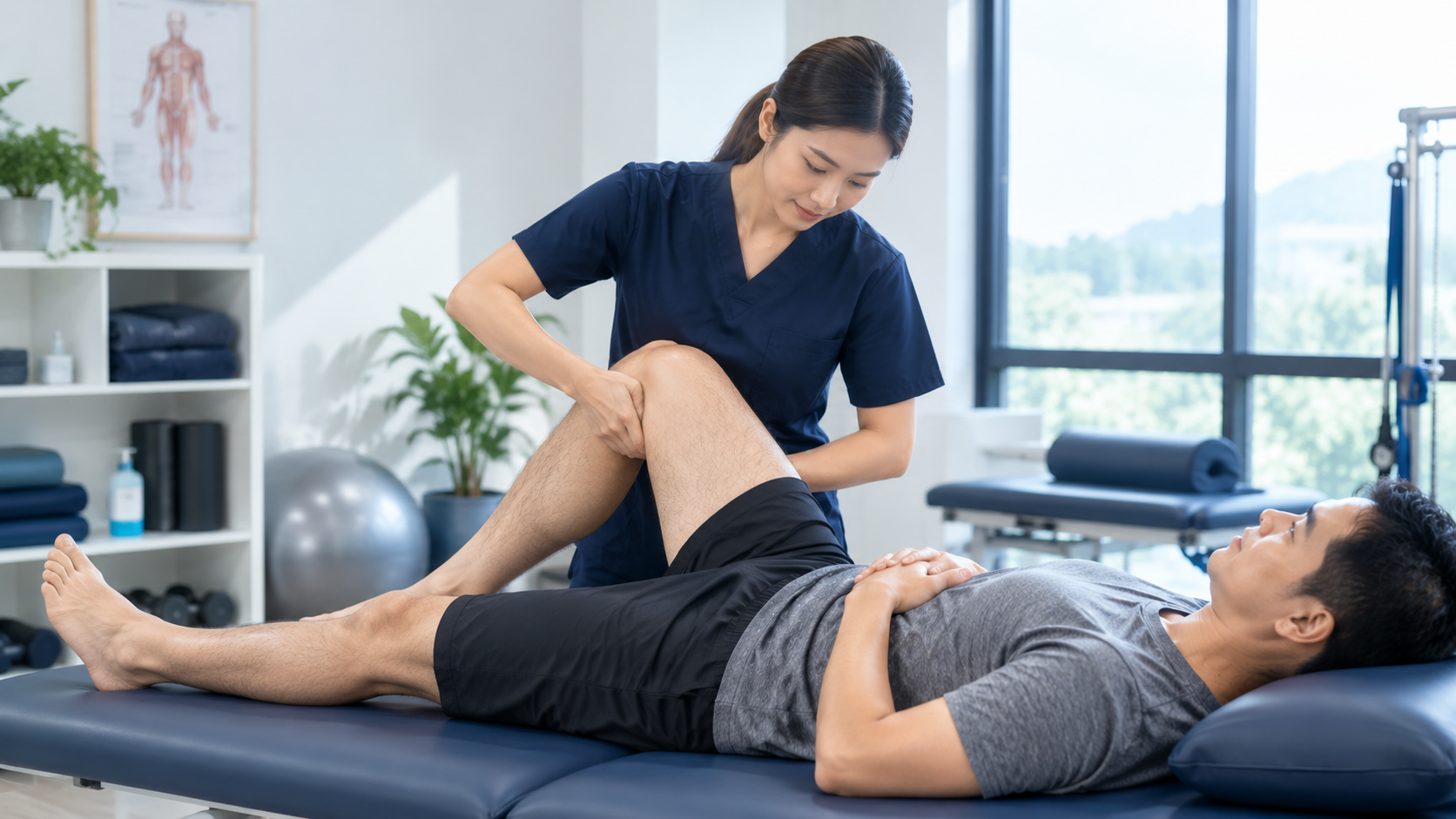
Manual therapy involves hands-on techniques applied by a physiotherapist, such as joint mobilisation and soft-tissue techniques.
These techniques aim to improve joint or soft-tissue movement and may provide short-term pain relief or reduce stiffness. They are often combined with therapeutic exercise to support longer-term improvements.
Manual therapy may be considered for certain musculoskeletal conditions involving joint stiffness, restricted movement or soft-tissue discomfort, such as some types of neck, shoulder or back pain. Unlike exercise-based rehabilitation, manual therapy is a hands-on technique, but it is generally used as part of a broader treatment programme rather than as a standalone solution.
3. Physical Activity
Physical activities involve regular, appropriate movement such as walking, stretching, cycling, swimming, or low-impact strengthening exercises. The type and intensity should be adjusted based on your condition and physical ability.
Regular movement can help maintain joint mobility, improve muscle strength and physical function, and gradually build tolerance to activities that may otherwise trigger pain.
It can be useful for people with persistent musculoskeletal pain, osteoarthritis and other chronic conditions where pain has led to reduced activity, weakness or loss of physical function.
4. Pain Education & Self-Management
Pain education helps patients understand their pain, while self-management strategies help them manage symptoms and maintain daily activities.
A healthcare professional may explain factors that can influence pain, help identify activities that aggravate symptoms, and teach strategies such as pacing, activity modification and appropriate exercise.
This approach can be particularly useful for people with persistent or chronic pain where fear of movement, reduced activity or difficulty managing flare-ups has started to affect daily life. Unlike hands-on treatments, pain education focuses on helping people understand and actively manage their condition outside treatment sessions.
5. Acupuncture
Acupuncture involves inserting very fine needles into specific points on the body as a therapeutic technique.
Acupuncture may influence pain processing and can be used as part of a broader recovery programme. Its effects and suitability can vary depending on the individual and type of pain.
Acupuncture may be considered for certain types of chronic primary pain, particularly when persistent pain continues to affect quality of life despite other approaches.
Acupuncture Services at Prime Motion
Led by Dr. Devanandhini Krisnan, one of the few practitioners in Malaysia trained in both Western Pain Medicine and Traditional Chinese Medicine (TCM). Treatment is personalised to your condition and recovery goals and may be combined with physiotherapy for suitable patients.
Considering acupuncture in Ipoh? Contact Prime Motion via phone or WhatsApp at +60 129 773 852 to find out if it may be suitable for you.
Pain Management in Ipoh
At Prime Motion, pain management goes beyond simply relieving pain. Our professional team combines different evidence-informed techniques based on your condition, needs and recovery goals:
- Manage pain with appropriate pain management techniques
- Restore function and improve strength, mobility and physical capacity
- Optimise movement to help you move more efficiently and confidently
- Return to daily activities, work or sport with a structured rehabilitation approach
Looking for pain management in Ipoh? Contact Prime Motion to discuss your needs and find the right approach for you.
More information about pain management treatment at Prime Motion: https://primemotionphysio.com/service/pain-management/
Frequently Asked Questions (FAQ)
Q1: What is the best treatment for chronic pain?
There is no single treatment that works for everyone. Pain management may involve a combination of physiotherapy, physical activities, manual therapy, acupuncture and self-management strategies, depending on the type and cause of pain and recovery goals.
Q2: When should I see a professional for chronic pain?
Consider seeking professional advice when pain persists, affects your daily activities, sleep or work, or continues despite self-care. A proper assessment can help identify suitable pain management approaches.
Q3: Where can I get pain management treatment in Ipoh?
Prime Motion provides personalised pain management using a range of physiotherapy and complementary techniques based on individual needs and recovery goals.
Contact Prime Motion via phone or WhatsApp at +60 12-977 3852 to schedule an initial assessment.
Q4: Who provides acupuncture at Prime Motion in Ipoh?
Acupuncture at Prime Motion is led by Dr. Devanandhini Krisnan, a Pain Medicine Specialist and licensed TCM Practitioner trained in both Western Pain Medicine and acupuncture. Her approach combines her pain medicine and TCM expertise to provide personalised acupuncture treatment based on each patient’s condition and recovery goals.ser