Knee Pain Physiotherapy in Ipoh: Non-Surgical Treatment Options

Knee Pain Physiotherapy in Ipoh: Non-Surgical Treatment Options

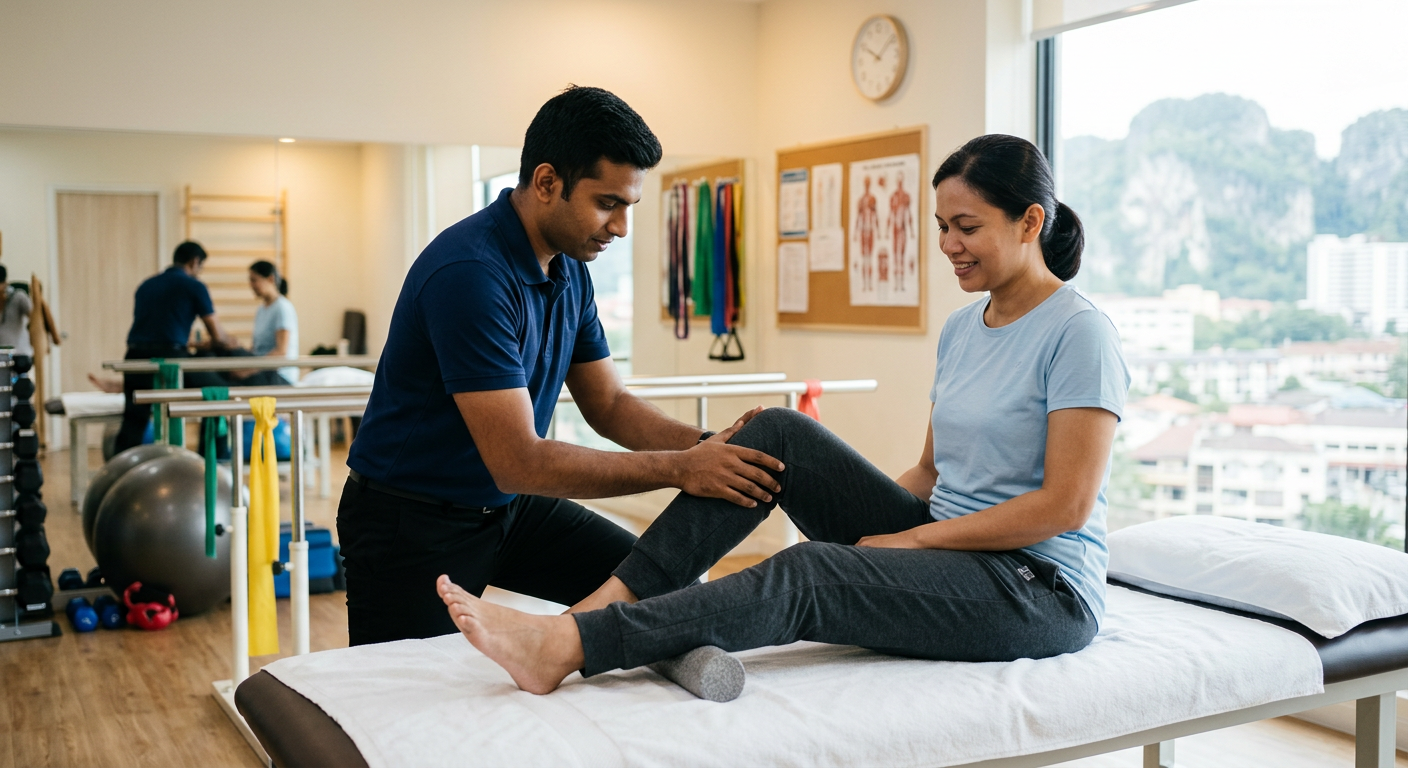
Knee pain can make daily activities like walking, climbing stairs, exercising, or even standing for long periods uncomfortable and difficult. Whether caused by sports injuries, muscle weakness, overuse, or age-related conditions, untreated knee pain may worsen over time and affect mobility. If you are searching for knee pain physiotherapy in Ipoh, early physiotherapy treatment can help reduce pain, improve movement, and support long-term recovery through personalized rehabilitation programs and effective non-surgical treatment options.
Firefly_Gemini Flash_hãy generate hình để tôi đưa vào bài blog cho phù hợp với tiêu đề sau- Knee Pain Ph 894232


Common Causes of Knee Pain 

Knee pain can develop from different conditions or injuries affecting the muscles, ligaments, cartilage, or joints.

Some common causes include:

  • Ligament injuries (ACL, MCL injuries)
  • Meniscus injuries
  • Patellar tracking issues
  • Muscle weakness or imbalance
  • Tendon inflammation
  • Sports-related injuries
  • Osteoarthritis
  • Overuse from repetitive activities
  • Poor movement mechanics

Without proper treatment, knee pain may worsen over time and affect mobility and daily function. 

WHEN SHOULD YOU SEEK PHYSIOTHERAPY FOR KNEE PAIN? 

You should consider professional physiotherapy if you experience: 

  • Knee pain lasting more than 1–2 weeks
  • Swelling around the knee
  • Difficulty walking or climbing stairs
  • Knee instability or “giving way”
  • Pain during exercise or sports
  • Limited knee movement
  • Recurring knee injuries
  • Pain after surgery or injury

Early rehabilitation can help reduce pain, improve recovery, and lower the risk of future complications. 

HOW PHYSIOTHERAPY HELPS KNEE PAIN RECOVERY 

Physiotherapy focuses on identifying the root cause of knee pain while improving movement quality and joint function. 

Key Benefits of Physiotherapy for Knee Pain 

  • Reduce pain and inflammation
  • Improve joint mobility
  • Strengthen surrounding muscles
  • Enhance balance and stability
  • Improve walking and movement patterns
  • Prevent recurring injuries
  • Support safe return to sports and daily activities

Treatment programs are customized according to the patient’s condition, pain level, and recovery goals. 

NON-SURGICAL KNEE TREATMENT OPTIONS IN IPOH 

At Prime Motion Rehabilitation & Physiotherapy, knee rehabilitation programs may include: 

  • Manual therapy
  • Exercise rehabilitation
  • Strengthening programs
  • Mobility and flexibility exercises
  • Balance and stability training
  • Sports rehabilitation
  • Posture and movement correction
  • HILT Laser Therapy
  • Functional movement training

EFFECTIVE KNEE PAIN PHYSIO EXERCISES

Specific rehabilitation exercises are commonly used to improve strength, flexibility, and knee stability. 

Examples may include:

  • Quadriceps strengthening exercises
  • Hamstring stretching
  • Glute strengthening exercises
  • Balance and stability exercises
  • Controlled mobility drills
  • Functional movement exercises

Physiotherapists ensure exercises are performed safely and progressively according to the patient’s recovery stage. 

WHY CHOOSE PRIMEMOTION FOR KNEE INJURY REHAB IN IPOH?  

At Prime Motion Rehabilitation & Physiotherapy, we provide personalized rehabilitation programs designed to support safe and effective knee recovery. 

Why Patients Choose Us:

  • Individualized treatment plans
  • Experienced physiotherapists
  • Evidence-based rehabilitation methods
  • Modern rehabilitation equipment
  • Patient-centered care approach
  • Progressive recovery monitoring

Our goal is to help patients reduce pain, restore movement, and safely return to their normal lifestyle and activities.

Ready to recover from knee pain without surgery? 

Book your consultation with Prime Motion Rehabilitation & Physiotherapy today and start your personalized knee rehabilitation program in Ipoh.

WhatsApp: +60 12 977 3852

Frequently Asked Questions (FAQ) 

Q1: Can physiotherapy help knee pain without surgery? 

Yes. Physiotherapy can help reduce pain, improve mobility, strengthen muscles, and support recovery for many knee conditions without requiring surgery.

Q2: How long does knee rehabilitation take?  

Recovery time depends on the severity of the condition or injury. Mild cases may improve within weeks, while more serious injuries may require longer rehabilitation.

Q3: Are knee pain physio exercises safe? 

Yes. Physiotherapists customize exercises according to the patient’s condition and ensure movements are performed safely and progressively. 

Q4: When should I seek physiotherapy after a knee injury?  

It is recommended to seek treatment early, especially if pain, swelling, instability, or movement limitations continue after the injury. 

Q5: Where can I find knee injury rehab in Ipoh? 

Prime Motion Rehabilitation & Physiotherapy provides professional knee pain physiotherapy and rehabilitation services in Ipoh with personalized treatment programs for different knee conditions.


How to Choose the Best Physio in Ipoh | Patient Guide

How to Choose the Best Physio in Ipoh | Patient Guide

Finding the best physio Ipoh can feel overwhelming, especially when you’re dealing with pain or recovering from an injury. With multiple clinics and professionals available, patients often ask: how do I know which physiotherapist is right for me? This guide explores the essential factors to consider, supported by insights and statistics from Malaysia’s healthcare landscape. 

Firefly_Gemini Flash_hãy generate hình để tôi đưa vào bài blog cho phù hợp với tiêu đề sau- PhHow to Choos 894232


Why Choosing the Right Physiotherapist Matters

Physiotherapy is more than just exercises or massages — it’s a structured, evidence‑based approach to restoring mobility, reducing pain, and preventing future injuries. In Malaysia, musculoskeletal disorders are among the top causes of outpatient visits, and studies in Perak show that nearly 90% of patients referred to physiotherapy suffer from musculoskeletal problems, with 19% specifically related to back pain.

This means that selecting the right physiotherapist in Ipoh is not just about convenience; it directly impacts your recovery outcomes.

Key Qualities of the Best Physio in Ipoh

When searching for the top physiotherapist Ipoh, consider these qualities:

  • Qualifications and Licensing: Ensure your physiotherapist is registered with the Malaysian Physiotherapy Association or recognized by the Ministry of Health.
  • Experience in Specific Conditions: A physio specializing in sports injuries may differ from one focusing on post‑surgery rehabilitation.
  • Patient‑Centered Approach: Look for clinics that provide personalized treatment plans rather than one‑size‑fits‑all solutions.
  • Evidence‑Based Practice: The best physios rely on proven techniques such as therapeutic exercise, manual therapy, and patient education.
  • Communication Skills: Effective physiotherapists explain your condition clearly and involve you in the recovery process.


Using Rehab/Physio Centre Ipoh Reviews

One practical way to evaluate options is by checking rehab centre Ipoh review or physiotherapy centre in Ipoh review pages online. Patient testimonials often highlight:

  • Clinic environment (cleanliness, accessibility, equipment quality)
  • Staff professionalism (friendliness, punctuality, empathy)
  • Treatment effectiveness (pain reduction, mobility improvement, long‑term results)

While reviews should not be the sole deciding factor, they provide valuable insight into patient satisfaction and real‑world outcomes.

Malaysia has over 2,300 registered physiotherapists, but the ratio remains low at 0.88 physiotherapists per 10,000 population, compared to the Asia‑Pacific average of 1.56. 73% of physiotherapists in Malaysia are female, reflecting global trends in the profession. In Perak, therapeutic exercise accounts for 56% of physiotherapy treatments, showing the emphasis on active recovery rather than passive methods.

These numbers highlight both the demand for physiotherapy and the importance of choosing a clinic with adequate resources and expertise.

Questions to Ask Before Choosing a Physio

When evaluating the best physio Ipoh, consider asking:

  1. What is your experience with my specific condition?
  2. How do you measure progress during treatment?
  3. Do you provide home exercise programs to support recovery?
  4. What is the expected timeline for improvement?
  5. How do you coordinate care with doctors or other specialists?

These questions help you gauge professionalism and ensure the clinic aligns with your recovery goals.


Choosing the best physio Ipoh is about more than location or price — it’s about finding a professional who understands your condition, applies evidence‑based methods, and supports you throughout recovery. By considering qualifications, patient reviews, and treatment philosophy, you can make an informed decision that leads to lasting results.

Ready to explore your options? If you’re searching for rehab centre Ipoh review or want guidance from experienced professionals, reach out to Prime Motion Rehabilitation & Physiotherapy today:

  • Address: 56&56A, Jalan Kamaruddin Isa, Fair Park, 31400 Ipoh, Perak.
  • Call us at +6012 977 3852 

At Prime Motion Rehabilitation & Physiotherapy, patients in Ipoh receive comprehensive assessments before starting treatment. The clinic emphasizes personalized rehabilitation plans, combining manual therapy, therapeutic exercise, and education to empower patients. By focusing on long‑term outcomes rather than quick fixes, Prime Motion helps individuals regain confidence in their movement and prevent future injuries.

Stroke Rehabilitation in Ipoh: Recovery Timeline & What to Expect

Stroke Rehabilitation in Ipoh: Recovery Timeline & What to Expect

Recovering from a stroke can feel overwhelming for both patients and family members. From mobility difficulties to muscle weakness and speech or balance problems, stroke survivors often require structured rehabilitation to regain independence and improve quality of life. If you are searching for stroke rehabilitation in Ipoh, early physiotherapy intervention can make a significant difference in the recovery journey.

A professional rehabilitation program focuses on improving movement, strength, balance, coordination, and daily function through personalized treatment plans. Whether you are looking for a stroke physio near me  in Ipoh or a trusted stroke recovery programme in Ipoh, understanding what to expect during recovery can help patients feel more confident and motivated throughout the rehabilitation process.

Firefly_Gemini Flash_hãy generate hình để tôi đưa vào bài blog cho phù hợp với tiêu đề sau- Stroke Rehabi 894232


Understanding Stroke & Its Effects

A stroke occurs when blood supply to the brain is interrupted, causing damage to brain cells. Depending on the severity and affected brain area, stroke patients may experience the following: 

  • Weakness or paralysis on one side of the body 
  • Difficulty walking or balancing
  • Muscle stiffness or spasticity 
  • Reduced coordination and mobility  
  • Speech or swallowing difficulties  
  • Fatigue and reduced endurance  

Every patient experiences a stroke differently, which is why rehabilitation plans should be personalized according to individual needs and recovery goals. 

When Should You Start Stroke Rehabilitation?

Stroke rehabilitation should begin as early as possible once the patient is medically stable. Early rehabilitation helps improve recovery outcomes and reduces long-term complications. 

You should seek professional stroke physiotherapy if the patient experiences: 

  • Difficulty walking independently 
  • Muscle weakness after stroke  
  • Poor balance or coordination 
  • Limited arm or leg movement 
  • Difficulty performing daily activities 
  • High risk of falls
  • Reduced confidence in mobility 

The earlier rehabilitation starts, the better the chances of improving functional recovery and independence.

Key Benefits of Stroke Physiotherapy  

Physiotherapy plays an important role in helping stroke survivors regain movement and improve daily function. A structured rehabilitation program focuses on restoring physical abilities safely and progressively. 

Key Benefits of Stroke Physiotherapy:

  • Improve walking and mobility 
  • Increase muscle strength and flexibility 
  • Enhance balance and coordination 
  • Reduce muscle stiffness and spasticity
  • Improve posture and movement control
  • Prevent falls and secondary complications 
  • Increase independence in daily activities 

Advanced Stroke Rehabilitation Options In Ipoh 

At Prime Motion Rehabilitation & Physiotherapy, stroke rehabilitation programmes may include the following:

  • Manual therapy techniques
  • Functional movement training
  • Balance and gait rehabilitation
  • Strengthening exercises
  • Neuromuscular rehabilitation
  • Posture correction training
  • Exercise rehabilitation programs
  • HILT Laser Therapy for pain and recovery support
  • Specialized rehabilitation equipment

Stroke Recovery Timeline: What To Expect 

Recovery timelines vary depending on the severity of the stroke, overall health condition, and consistency of rehabilitation. 

Early Recovery Stage (First Few Weeks)

Patients may begin improving basic movements, sitting balance, and muscle activation.

Intermediate Recovery Stage (1–3 Months)

Patients often work on walking, strength improvement, coordination, and daily functional activities.

Long-Term Recovery Stage (3 Months and Beyond)

Continued rehabilitation focuses on improving independence, endurance, mobility, and long-term quality of life.

Consistent physiotherapy and family support are important factors in maximizing recovery potential.

Why Choose Primemotion for Stroke Rehabilitation in Ipoh? 

At Prime Motion Rehabilitation & Physiotherapy, we provide patient-focused rehabilitation programs designed to support safe and effective stroke recovery. 

Why Patients Choose Us:

  • Personalized rehabilitation plans
  • Experienced physiotherapists
  • Modern rehabilitation techniques
  • Patient-centered care approach
  • Progressive recovery monitoring
  • Comfortable rehabilitation environment

Ready to start your recovery journey?

Book your stroke rehabilitation consultation with Prime Motion Rehabilitation & Physiotherapy today and receive a personalized treatment plan tailored to your recovery goals.

WhatsApp: +60 12 977 3852

Frequently Asked Questions (FAQ) 

Q1: How long does stroke rehabilitation take? 

Stroke recovery varies for every patient. Some patients improve within weeks, while others may require several months of structured rehabilitation depending on stroke severity and consistency of treatment. 

Q2: Can stroke patients regain the ability to walk?  

Many stroke patients can improve walking ability through physiotherapy, balance training, strengthening exercises, and gait rehabilitation programs. 

Q3: Is physiotherapy necessary after a stroke? 

Yes. Physiotherapy helps stroke patients regain movement, improve balance and coordination, reduce muscle stiffness, and restore independence in daily activities. 

Q4: How often should stroke patients attend physiotherapy?  

Treatment frequency depends on the patient’s condition and recovery stage. Physiotherapists usually recommend consistent rehabilitation sessions for optimal recovery progress. 

Q5: Where can I find a stroke physio near me in Ipoh?   

Prime Motion Rehabilitation & Physiotherapy provides professional stroke rehabilitation and physiotherapy services in Ipoh with personalized recovery programs tailored to each patient’s needs.

Back Pain Treatment in Ipoh: When Should You See a Physiotherapist?

Back Pain Treatment in Ipoh: When Should You See a Physiotherapist?

Back pain is one of the most common health issues affecting people of all ages — from office workers to athletes and seniors. If you’re searching for back pain treatment in Ipoh, chances are the discomfort is already interfering with your daily life. Left untreated, back pain can progress from mild irritation to chronic disability, impacting work, sleep, and overall quality of life. 

According to the Ministry of Health Malaysia, musculoskeletal disorders are among the top causes of outpatient visits nationwide. Research in Perak shows that nearly 90% of patients referred to physiotherapy suffer from musculoskeletal problems, with 19% specifically related to back pain. This highlights the urgent need for effective physiotherapy services in Ipoh, where demand continues to rise.

Globally, back pain is the leading cause of disability, and Malaysia reflects this trend. With sedentary lifestyles, long office hours, and aging populations, the number of patients seeking physiotherapy is steadily increasing.

775e03f859794a5167eceeca15543cd1_c2276ad1-9c64-4278-a388-2f41b695bc92


Eventually, you search: “physiotherapy clinic near me Ipoh” — and suddenly, the options feel overwhelming. What actually happens at a physio session? Will it hurt? How many visits will you need? Is it even worth going if the pain isn’t “that bad”?

If these questions sound familiar, you’re not alone. Many people in Ipoh delay seeking physiotherapy simply because they don’t know what to expect. This guide walks you through the entire first-visit experience.

Before You Arrive: What to Prepare

When booking your first appointment at a physio clinic in Ipoh, a little preparation goes a long way.

Bring any relevant medical documents: scan results, X-rays, referral letters from your doctor, or notes from previous treatments. If you’ve had surgery, bring your discharge summary. These help your physiotherapist understand your history without having to start from scratch.

Wear comfortable clothing that allows easy access to the area being treated — shorts if it’s a knee or hip issue, a loose shirt if it’s a shoulder or neck concern.

Most importantly, come ready to describe your condition clearly: when the pain started, what makes it better or worse, whether it’s constant or intermittent, and how it affects your daily activities.

What Happens During Your First Session

1. The Initial Assessment

Your first session at a physiotherapy clinic near me Ipoh — or any reputable clinic — will typically begin with a thorough assessment. This is not just a formality. It is the most important part of the entire process.

Your physiotherapist will ask about:

  • Your medical history and any existing conditions
  • The onset and nature of your current complaint
  • Your occupation, lifestyle habits, and activity level
  • Previous injuries or surgeries that may be relevant

This conversation shapes everything that follows. A good physiotherapist listens carefully, asks follow-up questions, and does not rush straight to treatment.

2. Physical Examination

Following the consultation, your therapist will conduct a physical examination. Depending on your condition, this may include:

  • Range of motion testing — how far and how freely you can move the affected area
  • Strength assessment — identifying muscle weakness or imbalance
  • Postural analysis — observing how you stand, sit, or walk
  • Palpation — gently feeling the tissue to locate areas of tension, swelling, or pain
  • Neurological screening — checking sensation and reflexes where relevant

This is not meant to be painful. You should always communicate with your therapist if any part of the examination causes significant discomfort.

3. Diagnosis and Explanation

Once the assessment is complete, your physiotherapist will explain what they’ve found. They should be able to give you a working diagnosis, explain the likely cause of your condition, and outline what a realistic recovery looks like.

Be wary of vague answers. At a professional physio clinic in Ipoh, you should leave the assessment phase with a clear understanding of your condition — not just “you have inflammation” but why, and what can be done about it.

4. Treatment (If Appropriate in the First Session)

Depending on how much time remains and the severity of your condition, your therapist may begin treatment in the first session. Common physiotherapy treatments include:

  • Manual therapy — hands-on techniques to mobilise joints and release soft tissue
  • Electrotherapy — using electrical stimulation to reduce pain and promote healing
  • Laser therapy — low-level laser to target deep tissue inflammation
  • Exercise therapy — guided movements to restore strength and mobility
  • Hot and cold therapy — to manage swelling and ease muscle tension

Not every session will involve every modality. Your treatment plan is built around your specific needs, not a standardised protocol.

After the First Visit: What Comes Next

Your physiotherapist should provide a clear treatment plan — typically outlining the recommended number of sessions, the goals for each phase, and what you can do between visits to support your recovery.

Home exercises are often assigned from the very beginning. These are not optional extras — they are a core part of the treatment. Consistency with home exercise significantly affects how quickly and fully you recover.

Progress is reviewed regularly. If something isn’t working, a good therapist will adjust the approach rather than continuing the same treatment indefinitely.

What to Look for in a Physio Clinic in Ipoh  

When searching for a physiotherapy clinic near me Ipoh, consider the following: 

  • Registered and qualified therapists. 
  • Proper assessment before treatment. 
  • Clear communication. 
  • Appropriate equipment. 
  • Location and accessibility. 

Physiotherapy is not a quick fix. For most conditions — chronic back pain, post-surgical recovery, neurological rehabilitation — meaningful improvement takes multiple sessions over several weeks. Anyone promising rapid results in a single visit should be approached with caution.

That said, many patients notice a meaningful improvement in pain levels and mobility after just two to three sessions. The trajectory matters as much as the endpoint.

Recovery is also a two-way process. Your physiotherapist provides the clinical expertise and the treatment tools — but you bring consistency, honest feedback, and effort between sessions. The outcomes are better when both sides show up fully.

Taking That First Step

If you’ve been dealing with pain, limited movement, or recovering from an injury or surgery, the most useful thing you can do right now is book an assessment.

You don’t need a referral from a doctor to visit a private physio clinic in Ipoh. You can self-refer, describe your condition, and get a professional evaluation without waiting in a hospital queue.

Prime Motion Rehabilitation & Physiotherapy is located at 56 & 56A, Jalan Kamaruddin Isa, Ipoh — accessible for those looking for a physio in Fair Park Ipoh and surrounding areas. The clinic offers a range of physiotherapy services covering pain management, sports injury, neurological conditions, geriatric rehabilitation, and more.

To book an appointment or ask about a specific condition, you can reach the clinic at +6012 977 3852 or email info@primemotionphysio.com.

Physiotherapy vs Chiropractor in Ipoh: Which Is Right for You?

Physiotherapy vs Chiropractor in Ipoh: Which Is Right for You?

When searching for physiotherapy vs chiropractor Malaysia, many people in Ipoh face the same dilemma: which treatment option is more effective for back pain and musculoskeletal issues? Understanding the differences  supported by real data and patient experiences can help you make a confident decision.

Firefly_Gemini Flash


The Growing Need for Back Pain Treatment in Malaysia 

Back pain is one of the leading causes of disability worldwide, and Malaysia is no exception. According to the Ministry of Health, musculoskeletal disorders are among the top reasons for outpatient visits. In Perak, studies show that nearly 90% of patients referred to physiotherapy suffer from musculoskeletal problems, with 19% specifically related to back pain. This highlights the urgent demand for effective back pain treatment options in Ipoh. 

Physiotherapy in Ipoh

Physiotherapy is a science‑driven approach that focuses on restoring mobility, strength, and long‑term function. In Malaysia, there are over 2,300 registered physiotherapists, but the ratio remains low at 0.88 physiotherapists per 10,000 population, compared to the Asia‑Pacific average of 1.56. This means physiotherapy services are valuable and often in high demand.

Key benefits of physiotherapy include:

  • Structured rehabilitation after surgery or injury
  • Therapeutic exercises proven to reduce recurrence of pain
  • Manual therapy to relieve stiffness and improve flexibility
  • Patient education to prevent future injuries

In Ipoh, physiotherapy clinics often see patients with knee, shoulder, and back pain — conditions that require consistent, guided recovery rather than quick fixes.

Chiropractic Care in Ipoh

Chiropractic treatment primarily targets spinal alignment and nervous system health. Chiropractors often use:

  • Spinal adjustments to correct misalignments
  • Manual manipulations to relieve pressure and improve posture
  • Lifestyle advice for maintaining spinal health

Chiropractic care is commonly chosen by individuals seeking immediate relief from back or neck pain, especially when they suspect spinal misalignment.

When comparing physio vs chiro Ipoh, the choice depends on your health goals. Physiotherapy may be better if you want structured rehabilitation and prevention, while chiropractic care may suit those seeking quick relief from spinal discomfort.

Which Is Right for You?

The decision between physiotherapy and chiropractic care should be based on:

  • Nature of your pain (acute vs chronic)
  • Underlying condition (injury, surgery recovery, posture issues)
  • Personal preference (long‑term rehabilitation vs immediate relief)

Both approaches can be effective, and in some cases, patients benefit from a combination of treatments. Consulting a qualified healthcare professional in Ipoh ensures you receive the right guidance for your specific condition.

Whether you’re exploring physiotherapy vs chiropractor Malaysia or searching for back pain treatment options, Prime Motion offers professional guidance tailored to your recovery journey.

Frequently Asked Questions (FAQ)  

Q1: Is physiotherapy better than chiropractic for back pain?  

A: It depends on your condition. Physiotherapy is often recommended for long‑term rehabilitation, injury recovery, and prevention, while chiropractic care may provide quicker relief for spinal misalignments or acute pain. Consulting a professional in Ipoh ensures you choose the right option.

Q2: What are the main differences between physiotherapy and chiropractic care?  

A: Physiotherapy focuses on exercises, manual therapy, and rehabilitation programs to restore movement and strength. Chiropractic care emphasizes spinal adjustments and posture correction to relieve pain and improve nervous system function.

Q3: How do I choose between physio vs chiro in Ipoh? 

A: Consider the nature of your pain (acute vs chronic), your recovery goals, and professional advice. Physiotherapy may suit those needing rehabilitation, while chiropractic care may be ideal for posture‑related or spinal discomfort. 

Ready to Take the Next Step? 

If you’re in Ipoh and still deciding between physiotherapy vs chiropractor Malaysia, why not start with a professional assessment? At Prime Motion Rehabilitation & Physiotherapy, our team is here to listen, evaluate your condition, and recommend the most suitable back pain treatment options for you.

👉 Book your appointment today and begin your journey toward pain‑free living.

  • Address: 56&56A, Jalan Kamaruddin Isa, Fair Park, 31400 Ipoh, Perak.
  • Call us at +6012 977 3852 

Physiotherapy in Ipoh: What to Expect from Your First Visit

Physiotherapy in Ipoh: What to Expect from Your First Visit

You’ve been putting it off for weeks — maybe months. The ache in your lower back that flares up every morning. The knee that hasn’t felt right since that weekend football game. Or the persistent stiffness in your neck after hours at a desk.

Eventually, you search: “physiotherapy clinic near me Ipoh” — and suddenly, the options feel overwhelming. What actually happens at a physio session? Will it hurt? How many visits will you need? Is it even worth going if the pain isn’t “that bad”?

If these questions sound familiar, you’re not alone. Many people in Ipoh delay seeking physiotherapy simply because they don’t know what to expect. This guide walks you through the entire first-visit experience.

Before You Arrive: What to Prepare

When booking your first appointment at a physio clinic in Ipoh, a little preparation goes a long way.

Bring any relevant medical documents: scan results, X-rays, referral letters from your doctor, or notes from previous treatments. If you’ve had surgery, bring your discharge summary. These help your physiotherapist understand your history without having to start from scratch.

Wear comfortable clothing that allows easy access to the area being treated — shorts if it’s a knee or hip issue, a loose shirt if it’s a shoulder or neck concern.

Most importantly, come ready to describe your condition clearly: when the pain started, what makes it better or worse, whether it’s constant or intermittent, and how it affects your daily activities.

What Happens During Your First Session

1. The Initial Assessment

Your first session at a physiotherapy clinic near me Ipoh — or any reputable clinic — will typically begin with a thorough assessment. This is not just a formality. It is the most important part of the entire process.

Your physiotherapist will ask about:

  • Your medical history and any existing conditions
  • The onset and nature of your current complaint
  • Your occupation, lifestyle habits, and activity level
  • Previous injuries or surgeries that may be relevant

This conversation shapes everything that follows. A good physiotherapist listens carefully, asks follow-up questions, and does not rush straight to treatment.

2. Physical Examination

Following the consultation, your therapist will conduct a physical examination. Depending on your condition, this may include:

  • Range of motion testing — how far and how freely you can move the affected area
  • Strength assessment — identifying muscle weakness or imbalance
  • Postural analysis — observing how you stand, sit, or walk
  • Palpation — gently feeling the tissue to locate areas of tension, swelling, or pain
  • Neurological screening — checking sensation and reflexes where relevant

This is not meant to be painful. You should always communicate with your therapist if any part of the examination causes significant discomfort.

3. Diagnosis and Explanation

Once the assessment is complete, your physiotherapist will explain what they’ve found. They should be able to give you a working diagnosis, explain the likely cause of your condition, and outline what a realistic recovery looks like.

Be wary of vague answers. At a professional physio clinic in Ipoh, you should leave the assessment phase with a clear understanding of your condition — not just “you have inflammation” but why, and what can be done about it.

4. Treatment (If Appropriate in the First Session)

Depending on how much time remains and the severity of your condition, your therapist may begin treatment in the first session. Common physiotherapy treatments include:

  • Manual therapy — hands-on techniques to mobilise joints and release soft tissue
  • Electrotherapy — using electrical stimulation to reduce pain and promote healing
  • Laser therapy — low-level laser to target deep tissue inflammation
  • Exercise therapy — guided movements to restore strength and mobility
  • Hot and cold therapy — to manage swelling and ease muscle tension

Not every session will involve every modality. Your treatment plan is built around your specific needs, not a standardised protocol.

After the First Visit: What Comes Next

Your physiotherapist should provide a clear treatment plan — typically outlining the recommended number of sessions, the goals for each phase, and what you can do between visits to support your recovery.

Home exercises are often assigned from the very beginning. These are not optional extras — they are a core part of the treatment. Consistency with home exercise significantly affects how quickly and fully you recover.

Progress is reviewed regularly. If something isn’t working, a good therapist will adjust the approach rather than continuing the same treatment indefinitely.

What to Look for in a Physio Clinic in Ipoh  

When searching for a physiotherapy clinic near me Ipoh, consider the following: 

  • Registered and qualified therapists. 
  • Proper assessment before treatment. 
  • Clear communication. 
  • Appropriate equipment. 
  • Location and accessibility. 

Physiotherapy is not a quick fix. For most conditions — chronic back pain, post-surgical recovery, neurological rehabilitation — meaningful improvement takes multiple sessions over several weeks. Anyone promising rapid results in a single visit should be approached with caution.

That said, many patients notice a meaningful improvement in pain levels and mobility after just two to three sessions. The trajectory matters as much as the endpoint.

Recovery is also a two-way process. Your physiotherapist provides the clinical expertise and the treatment tools — but you bring consistency, honest feedback, and effort between sessions. The outcomes are better when both sides show up fully.

Taking That First Step

If you’ve been dealing with pain, limited movement, or recovering from an injury or surgery, the most useful thing you can do right now is book an assessment.

You don’t need a referral from a doctor to visit a private physio clinic in Ipoh. You can self-refer, describe your condition, and get a professional evaluation without waiting in a hospital queue.

Prime Motion Rehabilitation & Physiotherapy is located at 56 & 56A, Jalan Kamaruddin Isa, Ipoh — accessible for those looking for a physio in Fair Park Ipoh and surrounding areas. The clinic offers a range of physiotherapy services covering pain management, sports injury, neurological conditions, geriatric rehabilitation, and more.

To book an appointment or ask about a specific condition, you can reach the clinic at +6012 977 3852 or email info@primemotionphysio.com.