Father’s Day Gift From Prime Motion, Ipoh

Father’s Day Gift From Prime Motion, Ipoh

Are you looking for a meaningful Father’s Day gift? 
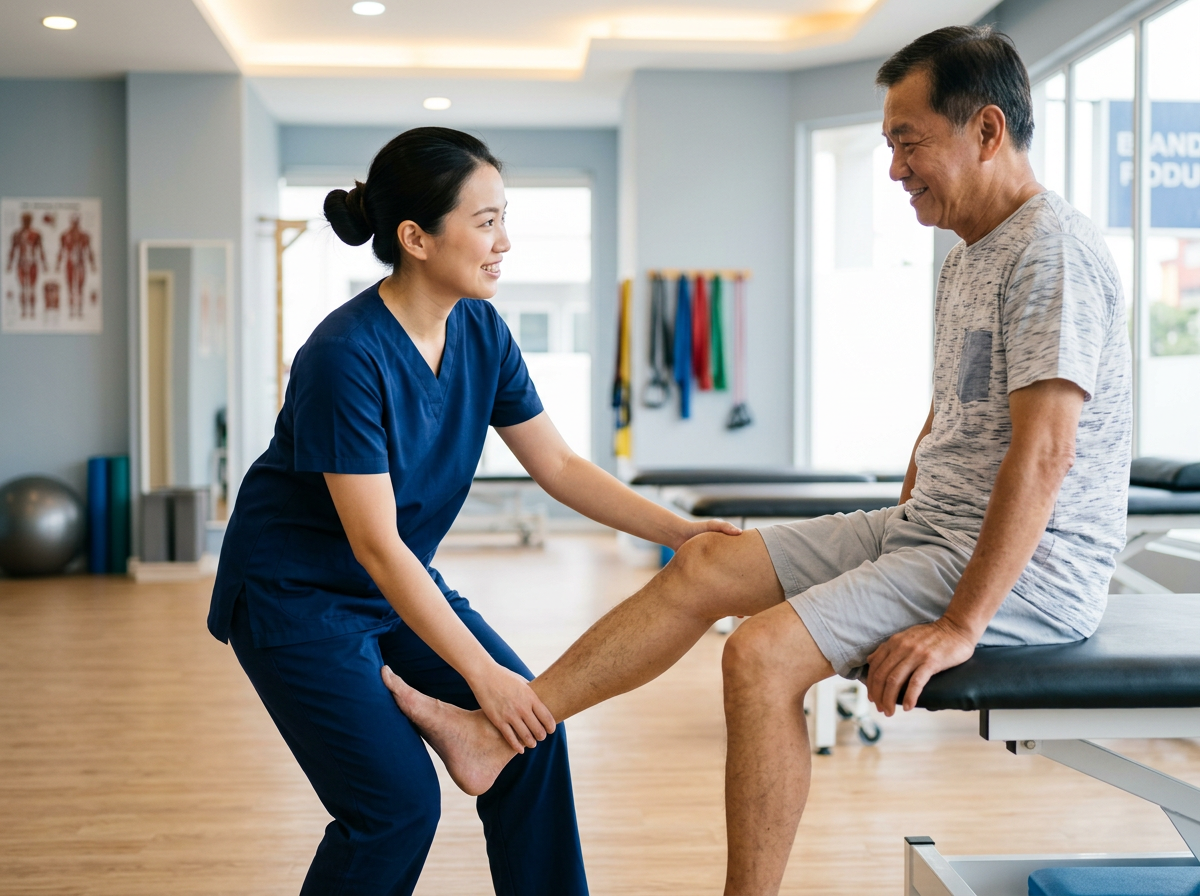
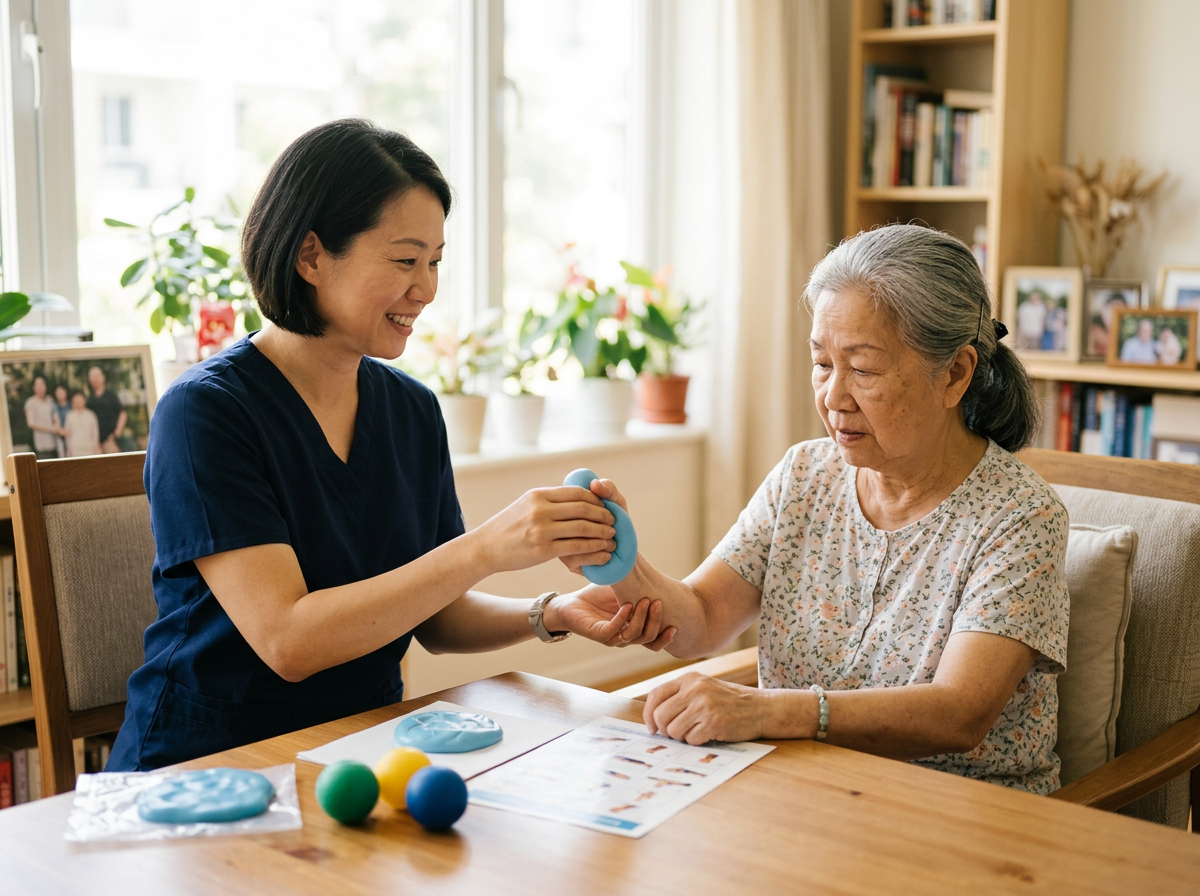
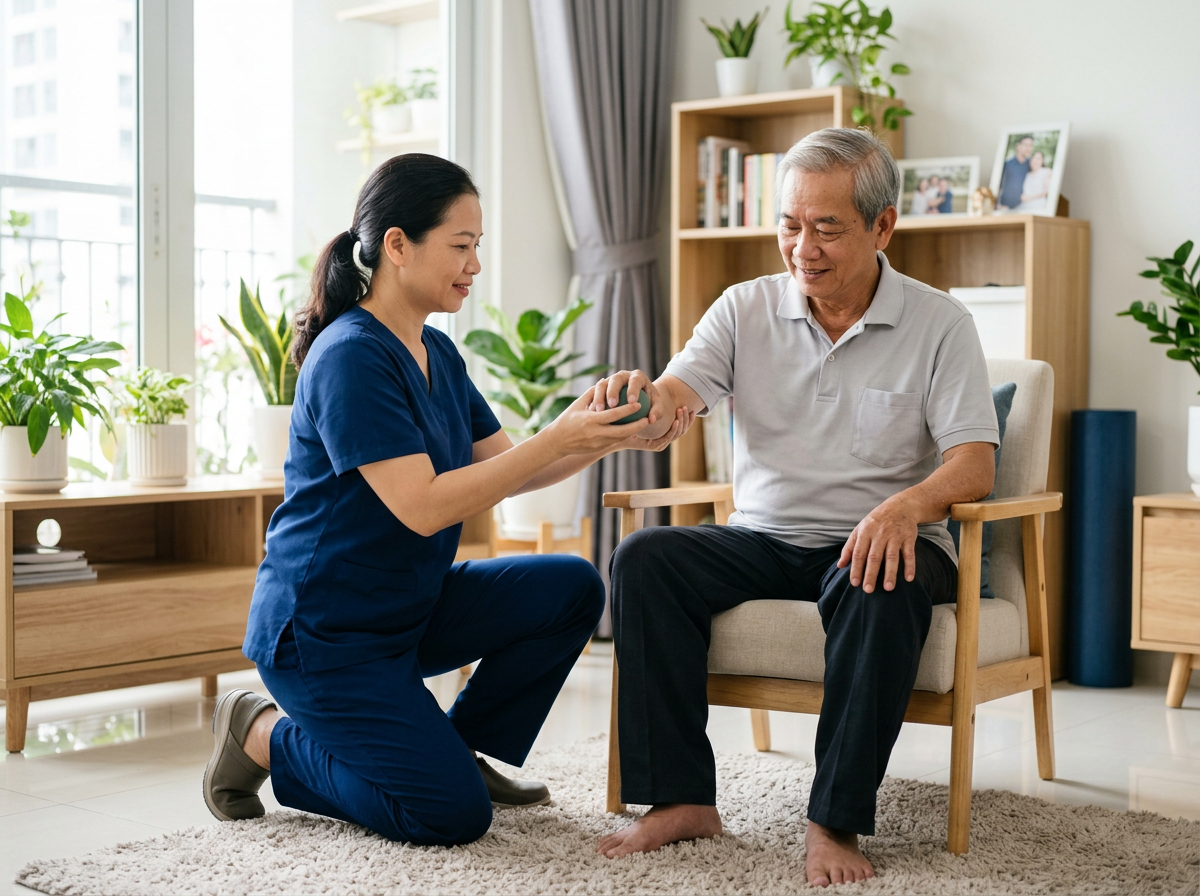
He took care of the family – now it’s his turn to be taken care of. Let’s give him something that truly matters: better health, mobility, and quality of life. 

4


Why Physiotherapy Matters For Fathers 

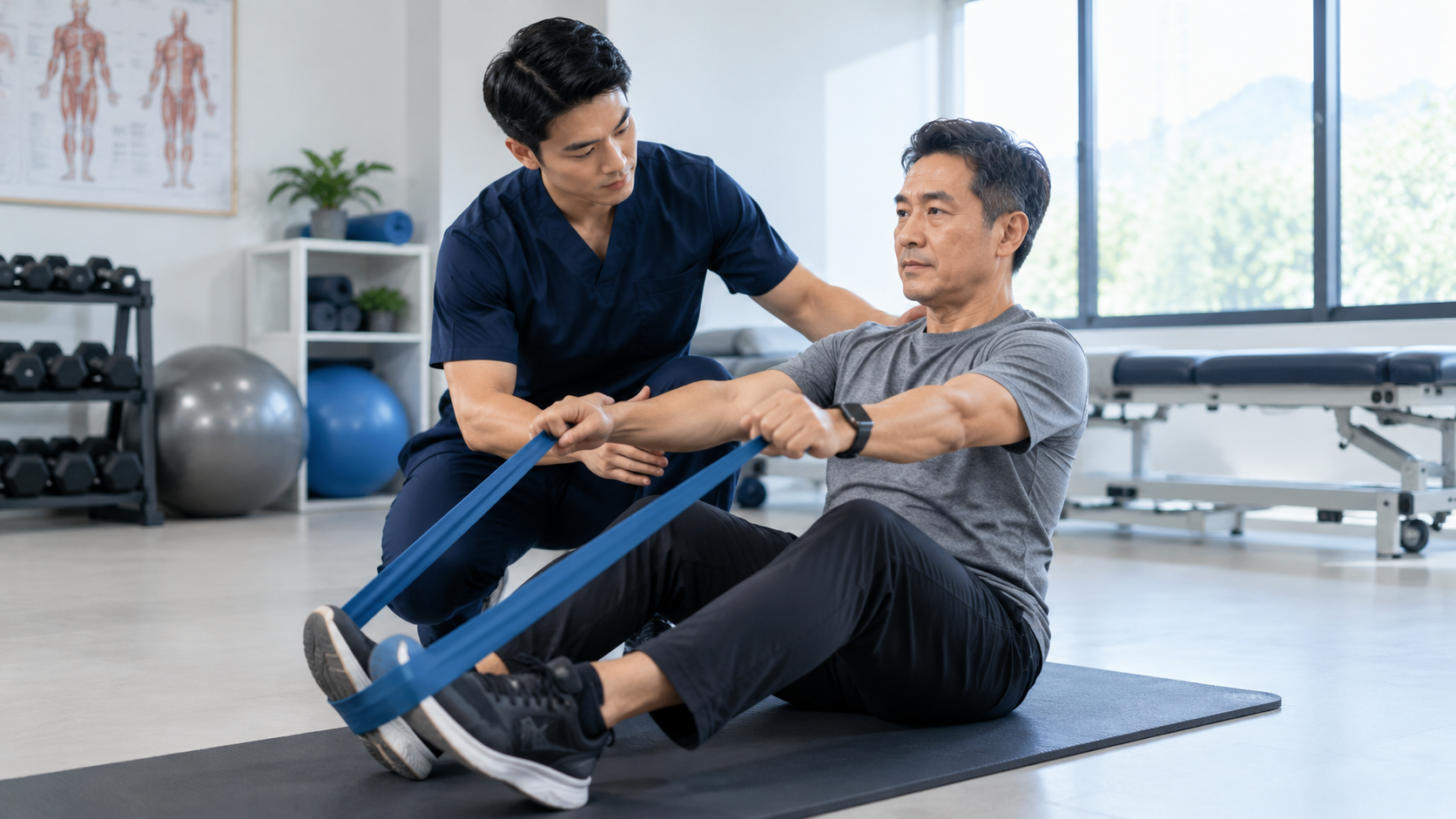
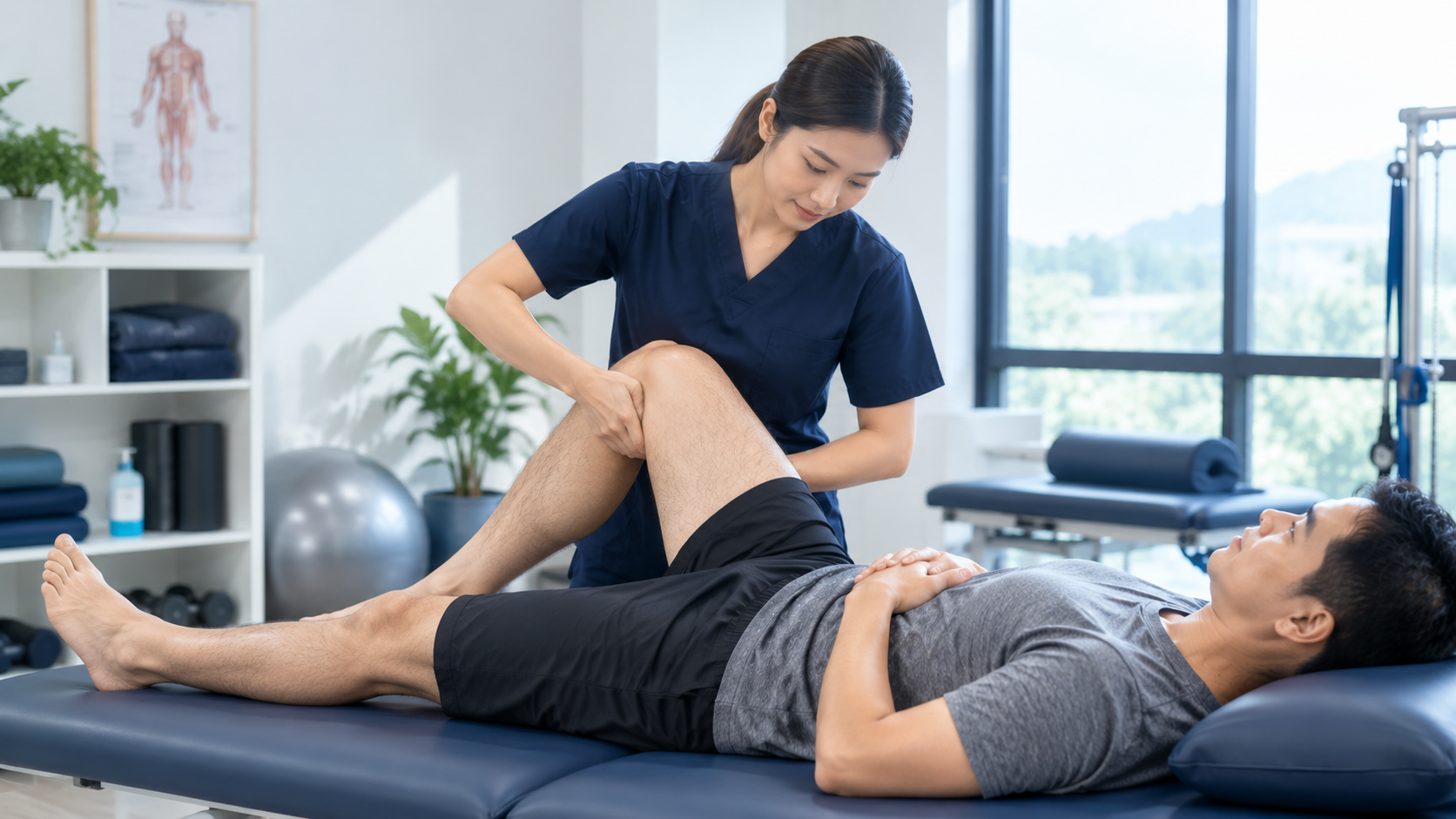
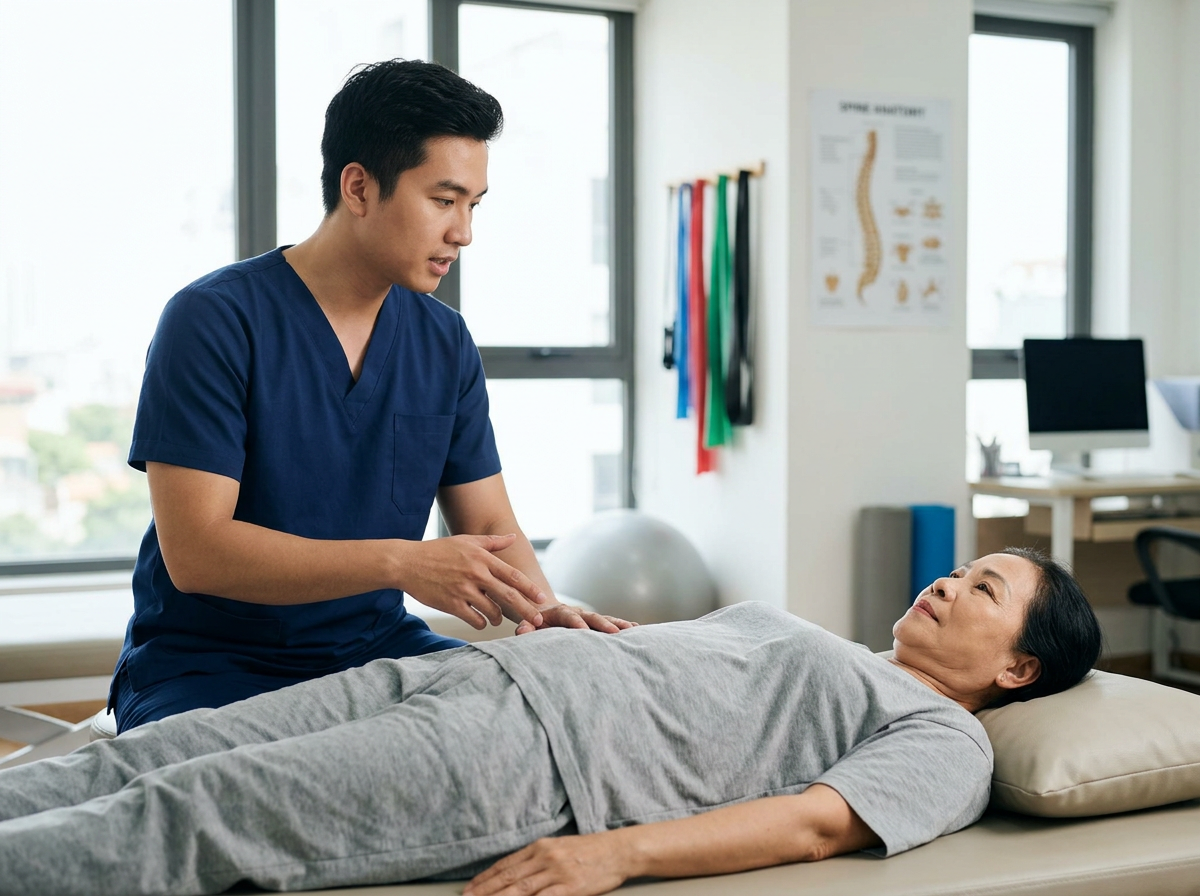
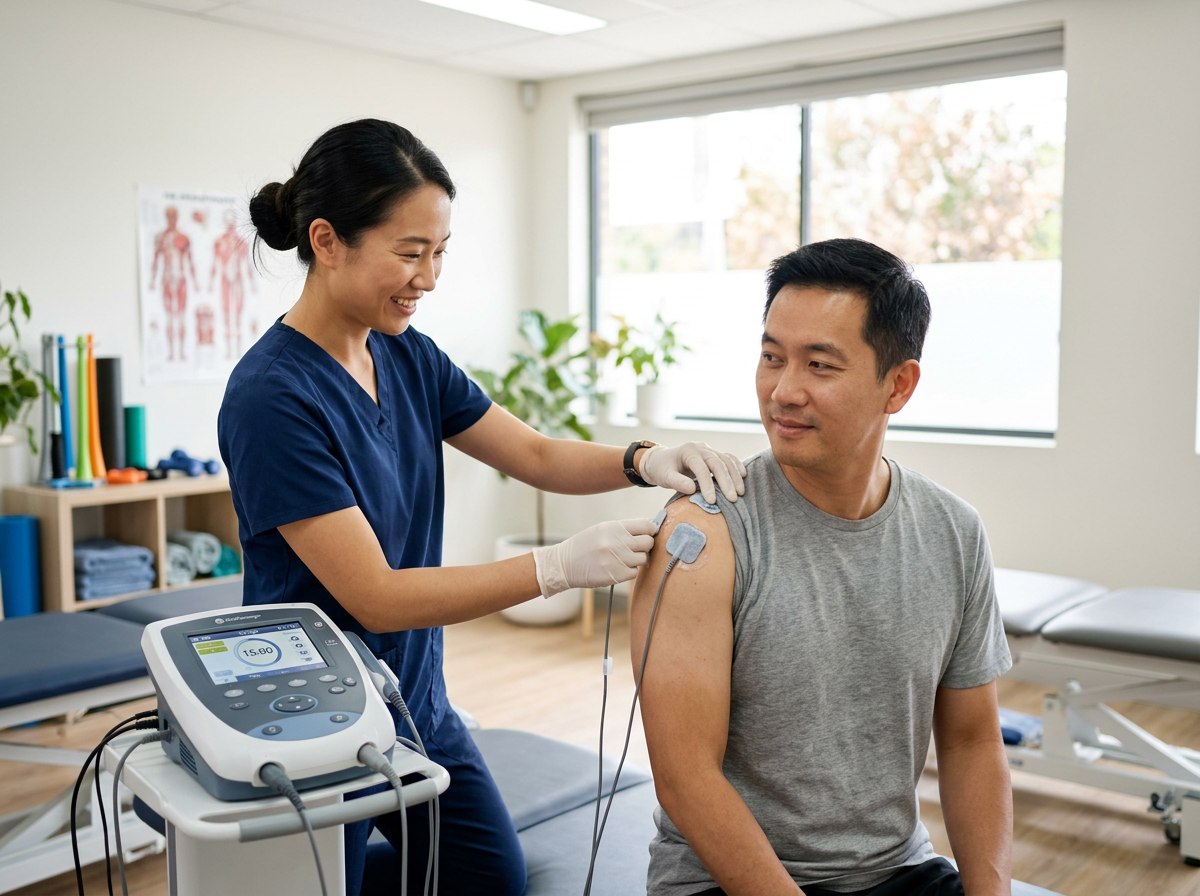
Many fathers experience common issues such as back pain, knee pain, shoulder stiffness, or reduced mobility as they get older. Physiotherapy can help address these concerns through personalised treatment plans designed to reduce pain, improve movement, and support long-term wellbeing.

Whether your father is experiencing chronic discomfort or recovering from an injury, early physiotherapy intervention can help him stay active and independent.

Father’s Day Promotion In Ipoh: 10% OFF On All Therapy Packages 

Promotion Period: 5 June – 30 June 2026

Eligibility:

  • Applicable to all male patients (new and existing)
  • Family members may purchase therapy packages as a gift
  • Applicable to all services
  • Cannot be combined with other promotions

Why Choose Prime Motion?  

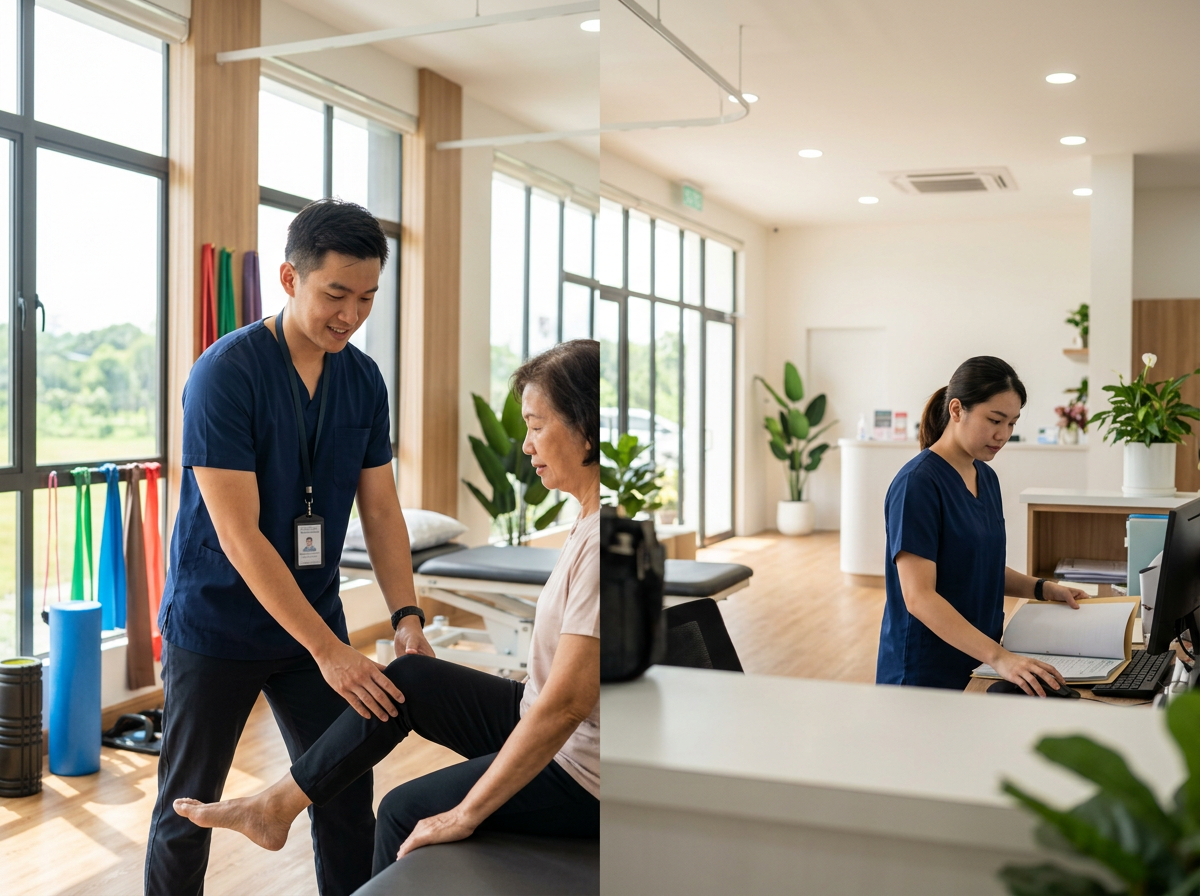
At Prime Motion, we believe that effective rehabilitation goes beyond temporary pain relief. Our team focuses on identifying the root cause of your condition and developing personalised treatment plans to help you recover safely and achieve long-term results.

Patients choose Prime Motion for:

  • Evidence-based physiotherapy and rehabilitation
  • Personalised treatment plans tailored to individual goals
  • A patient-centred approach focused on functional recovery
  • Convenient location in Fair Park, Ipoh

Contact Prime Motion today to help Dad move better, feel stronger, and enjoy life with less pain. 

[Button Book an Appointment]  


Frequently Asked Questions (FAQ) 

Q1: Can I purchase a therapy package for my mother and still enjoy the promotion?  

Yes. Family members are welcome to purchase therapy packages as gifts for their loved ones. 

Q2: Which services are included in this promotion? 

The promotion applies to all services offered at Prime Motion, including:

Rehabilitation

  • Sports Rehabilitation
  • Stroke Rehabilitation
  • Geriatric Rehabilitation
  • Home & Personalised Rehabilitation
  • Post-Surgical Rehabilitation 

Mobility

  • Strength & Conditioning
  • Gait & Balance Training 

Pain Management 

Q3: What conditions can physiotherapy help with? 

Physiotherapy can help manage a wide range of conditions, including back pain, neck pain, knee pain, shoulder injuries, sports injuries, post-surgical recovery, stroke rehabilitation, and mobility-related issues. 

Q4: Can this promotion be combined with other discounts or offers? 

No. The Father’s Day Promotion cannot be used in conjunction with any other ongoing promotions, discounts, or special offers. 

Q5: Do I need a doctor’s referral before starting physiotherapy?

No. Patients can book a physiotherapy assessment directly with our team without a doctor’s referral.

Sports Injury Physiotherapy in Ipoh

Sports Injury Physiotherapy in Ipoh: Recover Faster & Prevent Reinjury

Sports injuries can happen to anyone, from professional athletes and fitness enthusiasts to recreational players. Whether it is a sprained ankle, muscle strain, ligament injury, or knee pain, proper rehabilitation is essential for a safe and complete recovery. If you are looking for sports injury physio Ipoh, physiotherapy can help reduce pain, restore movement, and accelerate your return to sport while minimizing the risk of future injuries through personalized rehabilitation programs.

running-injuries


What Are The Most Common Sports Injuries? 

Sports injuries can affect muscles, tendons, ligaments, joints, and bones, depending on the activity and movement demands.

Common sports injuries include:

  • Ankle sprains
  • Muscle strains
  • Ligament injuries (ACL, MCL)
  • Hamstring injuries
  • Knee pain and overuse injuries
  • Tennis elbow
  • Rotator cuff injuries
  • Shin splints
  • Achilles tendon injuries
  • Lower back pain

Without proper treatment, these injuries may lead to prolonged recovery or recurring problems.

Why Is Sports Rehabilitation Important? 

Many athletes return to training too soon after an injury, increasing the risk of reinjury and long-term complications.

A structured sports rehab Ipoh program helps:

  • Promote safe healing
  • Restore strength and flexibility
  • Improve balance and coordination
  • Correct movement dysfunctions
  • Reduce the risk of reinjury
  • Improve sports performance
  • Build confidence before returning to activity

The goal is not only recovery but also preventing future injuries.

When Should You See A Sports Physiotherapist? 

You should seek professional physiotherapy if you experience:

  • Pain during sports or exercise
  • Swelling after activity
  • Reduced range of motion
  • Muscle weakness
  • Joint instability
  • Recurring sports injuries
  • Difficulty returning to training
  • Pain that persists despite rest

Early assessment and treatment often lead to better recovery outcomes.

How Physiotherapy Helps Athletes Recover Faster 

Physiotherapy for athletes Ipoh focuses on restoring movement, strength, and function while addressing the root cause of the injury.

Benefits of Sports Physiotherapy

  • Reduce pain and inflammation
  • Restore mobility and flexibility
  • Improve muscle strength
  • Enhance balance and coordination
  • Accelerate recovery
  • Improve movement mechanics
  • Support safe return-to-sport progression
  • Reduce reinjury risk

Every rehabilitation plan is tailored according to the athlete’s sport, injury type, and performance goals.

What Does A Sports Rehabilitation Program Include? 

At PrimeMotion, sports rehabilitation may include:

  • Comprehensive injury assessment
  • Manual therapy
  • Strength and conditioning exercises
  • Mobility and flexibility training
  • Balance and proprioception training
  • Sport-specific rehabilitation drills
  • Functional movement retraining
  • Return-to-sport testing
  • HILT Laser Therapy
  • Injury prevention education

This comprehensive approach ensures athletes are physically prepared before returning to competition or training.

How To Prevent Sports Injuries 

Although not all injuries are preventable, the following strategies can reduce risk:

  • Warm up before exercise
  • Follow proper training progression
  • Maintain flexibility and mobility
  • Strengthen key muscle groups
  • Allow adequate recovery time
  • Use proper sports techniques
  • Address minor injuries early
  • Follow rehabilitation recommendations

Injury prevention is a key component of long-term athletic performance.

Why Choose Primemotion For Sports Rehabilitation In Ipoh? 

At PrimeMotion, we help athletes and active individuals recover safely and perform at their best. 

Why Athletes Choose Us:

  • Experienced physiotherapists
  • Personalized rehabilitation programs
  • Evidence-based treatment methods
  • Sport-specific recovery plans
  • Advanced rehabilitation equipment
  • Comprehensive injury assessments
  • Focus on performance and injury prevention

Our goal is to help every athlete return to their sport stronger, safer, and more confident.

Ready to recover from your sports injury and return to peak performance? 

Book your consultation with PrimeMotion today and start your personalized sports rehabilitation program in Ipoh. 

WhatsApp: +60 12 977 3852


Frequently Asked Questions (FAQ) 

Q1: How long does sports injury rehabilitation take?  

Recovery time depends on the type and severity of the injury. Minor injuries may recover within weeks, while more significant injuries may require several months of rehabilitation. 

Q2: Can physiotherapy help prevent future sports injuries? 

Yes. Physiotherapy addresses movement limitations, muscle imbalances, and biomechanical issues that may contribute to recurring injuries. 

Q3: When can I return to sports after an injury?  

Return-to-sport timelines vary depending on the injury and recovery progress. A physiotherapist can assess readiness through functional testing and rehabilitation milestones. 

Q4: Is physiotherapy only for professional athletes? 

No. Sports physiotherapy benefits anyone who participates in physical activity, including recreational athletes, gym-goers, runners, and active individuals. 

Q5: Where can I find sports injury physio in Ipoh? 

PrimeMotion provides professional sports injury physiotherapy and rehabilitation services in Ipoh, helping athletes recover safely and return to activity with confidence. 

Stroke Recovery Exercises at Home

Stroke Recovery Exercises at Home: A Guide by Physiotherapists in Ipoh

Recovering from a stroke does not stop when rehabilitation sessions end. Consistent practice at home plays an important role in improving mobility, strength, balance, and independence. If you are searching for stroke recovery exercises at home, performing safe and appropriate exercises can help support your rehabilitation journey and complement professional physiotherapy treatment. With proper guidance, stroke survivors can continue making meaningful progress in their recovery from the comfort of home.

GettyImages-1860536314


WHY ARE HOME EXERCISES IMPORTANT AFTER A STROKE?  

Stroke rehabilitation requires regular and repetitive movement practice to help the brain and body relearn essential functions.

Benefits of home-based stroke exercises include:

  • Improving muscle strength
  • Enhancing balance and coordination
  • Increasing joint mobility
  • Supporting walking ability
  • Improving daily functional activities
  • Encouraging independence
  • Maintaining progress between physiotherapy sessions

Home exercises should always be performed according to the individual’s condition and rehabilitation goals. 

SAFETY TIPS BEFORE STARTING HOME STROKE REHAB EXERCISES 

Before beginning any exercise program:

  • Consult your physiotherapist first
  • Exercise in a safe, clutter-free environment
  • Use support when necessary
  • Wear comfortable clothing and footwear
  • Stop if you experience dizziness or unusual pain
  • Have a caregiver nearby if balance is a concern

Safety should always be the priority during stroke recovery.

STROKE RECOVERY EXERCISES AT HOME 

1. Seated Marching Exercise

This exercise helps improve hip strength and coordination.

How to Perform:

  • Sit upright in a chair
  • Lift one knee toward your chest
  • Lower slowly
  • Alternate between both legs

Recommended:

10–15 repetitions per leg

2. Sit-to-Stand Exercise

This exercise helps improve lower limb strength and functional mobility.

How to Perform:

  • Sit on a stable chair
  • Lean forward slightly
  • Push through your legs to stand
  • Slowly return to sitting

Recommended:

8–12 repetitions

3. Heel Raises

Heel raises help improve balance and calf strength.

How to Perform:

  • Stand behind a chair for support
  • Rise onto your toes
  • Hold briefly
  • Lower slowly

Recommended:

10–15 repetitions

4. Arm Reach Exercises

These exercises help improve shoulder mobility and upper limb coordination.

How to Perform:

  • Sit or stand comfortably
  • Reach forward slowly
  • Return to the starting position
  • Repeat in different directions as advised

Recommended:

10 repetitions

5. Weight-Shifting Exercise

Weight shifting helps improve standing balance and body awareness.

How to Perform:

  • Stand with support nearby
  • Shift your body weight gently from one side to the other
  • Maintain control throughout the movement

Recommended:

1–2 minutes

COMMON MISTAKES DURING HOME STROKE REHABILITATION 

Many stroke survivors unintentionally slow their progress by making common rehabilitation mistakes.

Examples include:

  • Performing exercises incorrectly
  • Exercising too aggressively
  • Skipping rehabilitation sessions
  • Inconsistent exercise routines
  • Ignoring pain or discomfort
  • Attempting advanced exercises too early

Regular follow-up with a physiotherapist helps ensure exercises remain safe and effective.

WHEN SHOULD YOU SEE A PHYSIOTHERAPIST?  

Professional physiotherapy is recommended if the patient experiences:

  • Difficulty walking
  • Frequent falls or balance issues
  • Persistent weakness
  • Joint stiffness
  • Difficulty performing daily activities
  • Slow recovery progress
  • Reduced confidence in movement

A physiotherapist can assess progress and modify rehabilitation plans according to recovery needs.

WHEN SHOULD YOU SEE A PHYSIOTHERAPIST? 

Professional physiotherapy is recommended if the patient experiences:

  • Difficulty walking
  • Frequent falls or balance issues
  • Persistent weakness
  • Joint stiffness
  • Difficulty performing daily activities
  • Slow recovery progress
  • Reduced confidence in movement

A physiotherapist can assess progress and modify rehabilitation plans according to recovery needs.

HOW PRIME MOTION SUPPORTS STROKE RECOVERY IN IPOH   

At PrimeMotion, we provide individualized stroke rehabilitation programs tailored to each patient’s condition and goals.

Our Stroke Rehabilitation Services Include:

  • Functional movement training
  • Balance and gait rehabilitation
  • Strengthening programs
  • Mobility exercises
  • Neurological rehabilitation
  • Caregiver education
  • Home exercise prescription
  • Progress monitoring and reassessment

Our goal is to help stroke survivors regain independence and improve quality of life through structured rehabilitation.

Looking for professional guidance beyond home stroke rehab exercises?  

Book a consultation with PrimeMotion today and receive a personalized stroke rehabilitation plan designed to support safe and effective recovery. 

WhatsApp: +60 12 977 3852


Frequently Asked Questions (FAQ) 

Q1: How often should stroke patients perform home exercises?   

The frequency depends on the individual’s condition and rehabilitation plan. Many patients benefit from daily practice, but exercises should follow recommendations from their physiotherapist. 

Q2: Can stroke patients fully recover through home exercises alone? 

Home exercises are important, but professional physiotherapy often provides additional assessment, supervision, and progression that can improve recovery outcomes. 

Q3: What is the best exercise after a stroke?  

There is no single best exercise. The most effective exercises depend on the patient’s specific impairments, recovery stage, and rehabilitation goals.  

Q4: How long should stroke rehabilitation continue? 

Recovery timelines vary significantly. Many patients continue rehabilitation for months to maximize improvements in mobility, strength, and independence. 

Q5: Where can I get physiotherapy advice in Ipoh for stroke recovery? 

PrimeMotion provides professional stroke rehabilitation and physiotherapy services in Ipoh, including personalized home exercise programs and ongoing recovery support. 

Slipped Disc Treatment in Ipoh: Can Physiotherapy Help Avoid Surgery?

Slipped Disc Treatment in Ipoh: Can Physiotherapy Help Avoid Surgery?

A slipped disc can cause persistent back pain, numbness, tingling sensations, or pain that radiates down the leg, making everyday activities difficult and uncomfortable. While many people worry that surgery is their only option, the reality is that many slipped disc cases can be managed successfully with conservative treatment. If you are looking for slipped disc treatment in Ipoh, physiotherapy may help reduce pain, improve mobility, and support recovery through a personalized rehabilitation program designed to address the root cause of the problem.

slip-disc-blog-img


What is a slipped disc? 

A slipped disc, also known as a herniated disc or prolapsed disc, occurs when the soft inner portion of a spinal disc pushes through its outer layer. This can place pressure on nearby nerves and cause pain, discomfort, and movement limitations.

Slipped discs most commonly occur in the:

  • Lower back (lumbar spine)
  • Neck (cervical spine)

The severity of symptoms varies depending on the location and extent of nerve involvement. 

COMMON SYMPTOMS OF A SLIPPED DISC 

Symptoms may include:

  • Lower back pain
  • Neck pain
  • Pain radiating down the leg (sciatica)
  • Numbness or tingling sensations
  • Muscle weakness
  • Difficulty standing or walking
  • Reduced flexibility and mobility
  • Pain during prolonged sitting

If symptoms persist or worsen, professional assessment is recommended.

WHAT CAUSES A HERNIATED DISC? 

Several factors may increase the risk of developing a slipped disc:

  • Age-related disc degeneration
  • Repetitive bending and lifting
  • Poor posture
  • Sudden heavy lifting
  • Sedentary lifestyle
  • Weak core muscles
  • Previous spinal injuries
  • Excess body weight

Understanding the underlying cause helps guide a more effective treatment plan.

CAN PHYSIOTHERAPY HELP AVOID SURGERY? 

In many cases, yes.

Most slipped disc patients can benefit from physiotherapy as a first-line treatment approach before considering surgical options. Physiotherapy aims to reduce pain, improve spinal function, and help patients return to daily activities safely.

Benefits of physiotherapy include:

  • Pain management
  • Improved spinal mobility
  • Reduced nerve irritation
  • Improved posture
  • Strengthening of supporting muscles
  • Improved movement patterns
  • Reduced risk of recurrence

The effectiveness of treatment depends on factors such as symptom severity, duration, and adherence to the rehabilitation program.

HOW PHYSIOTHERAPY TREATS A SLIPPED DISC  

A personalized rehabilitation program may include:

  • Manual Therapy Hands-on techniques to improve joint mobility and reduce muscle tension.

  • Exercise Rehabilitation Specific exercises designed to improve spinal stability, flexibility, and movement control.

  • Core Strengthening Strengthening the muscles that support the spine can help reduce strain and improve long-term outcomes.

  • Postural Correction Improving posture during daily activities helps reduce unnecessary pressure on spinal structures.

  • Functional Movement Training Teaching safe movement strategies for lifting, sitting, standing, and daily activities.

  • HILT Laser Therapy Advanced laser technology may be used to help reduce pain and support tissue healing as part of a comprehensive treatment plan.

WHEN IS SURGERY NECESSARY? 

While many patients improve with conservative treatment, surgery may be considered in specific situations such as:

  • Severe nerve compression
  • Significant muscle weakness
  • Progressive neurological symptoms
  • Loss of bladder or bowel control
  • Symptoms that do not improve despite appropriate conservative treatment

A thorough assessment is important to determine the most appropriate treatment pathway.

WHY CHOOSE PRIMEMOTION FOR FOR SLIPPED DISC TREATMENT IN IPOH?   

At PrimeMotion, we provide personalized rehabilitation programs designed to help patients manage pain, improve mobility, and return to normal activities safely.

Why Patients Choose Us:

  • Comprehensive spinal assessments
  • Experienced physiotherapists
  • Individualized treatment plans
  • Evidence-based rehabilitation methods
  • Modern rehabilitation technology
  • Patient-centered care approach

Our goal is to help patients achieve meaningful recovery while minimizing the impact of spinal conditions on daily life.

Looking for non-surgical slipped disc treatment in Ipoh?  

Book your consultation with PrimeMotion today and discover how physiotherapy and spine rehabilitation can help you manage symptoms and regain confidence in movement.

WhatsApp: +60 12 977 3852

Frequently Asked Questions (FAQ) 

Q1: Can a slipped disc heal without surgery?  

Many slipped disc cases improve with conservative treatment such as physiotherapy, exercise rehabilitation, and lifestyle modifications. 

Q2: How long does slipped disc recovery take? 

Recovery varies depending on the severity of the condition and individual response to treatment. Some patients improve within weeks, while others may require longer rehabilitation. 

Q3: Is physiotherapy effective for herniated disc treatment? 

Yes. Physiotherapy can help reduce pain, improve mobility, strengthen supporting muscles, and support recovery for many patients with herniated discs. 

Q4: What is the best exercise for a slipped disc?  

The most appropriate exercises depend on the individual’s condition and symptoms. A physiotherapist can prescribe a personalized exercise program based on a thorough assessment. 

Q5: Where can I find spine rehab in Ipoh? 

PrimeMotion offers professional spine rehabilitation and physiotherapy services in Ipoh for slipped discs, back pain, and other spinal conditions. 

HILT Laser Therapy in Ipoh: Advanced Pain Relief Treatment

HILT Laser Therapy in Ipoh: Advanced Pain Relief Treatment

Persistent pain can make even simple daily activities difficult, affecting your mobility, productivity, and quality of life. Whether you are dealing with back pain, sports injuries, joint conditions, or muscle strains, finding an effective treatment option is essential for recovery. If you are exploring HILT Laser Therapy in Ipoh, this advanced technology offers a non-invasive approach to pain relief and tissue healing, helping patients recover faster while supporting their physiotherapy rehabilitation journey.

70f5c9bc-cc90-48af-a4db-5849955d5b0c


What is HILT Laser Therapy 

HILT (High-Intensity Laser Therapy) is an advanced treatment technology used in physiotherapy to help reduce pain, decrease inflammation, and promote tissue healing.

Unlike traditional treatment methods that mainly focus on symptom management, HILT Laser Therapy delivers high-energy laser pulses deep into the affected tissues, stimulating the body’s natural healing processes.

This treatment is: 

  • Non-invasive
  • Drug-free
  • Safe when administered by trained professionals
  • Suitable for various musculoskeletal conditions
  • Commonly combined with physiotherapy rehabilitation programs

How does HILT Laser Therapy Work?

HILT Laser Therapy works by delivering concentrated laser energy into deeper tissue layers.

The treatment may help:

  • Improve blood circulation
  • Reduce inflammation
  • Accelerate tissue repair
  • Stimulate cellular regeneration
  • Reduce muscle tension
  • Relieve pain naturally

By targeting the source of discomfort, HILT Laser Therapy supports recovery while helping patients regain movement more comfortably.

Conditions that may benefit from HILT laser therapy 

Many musculoskeletal and sports-related conditions may benefit from this treatment.

Common conditions include:

  • Back pain
  • Neck pain
  • Shoulder pain
  • Frozen shoulder
  • Knee pain
  • Sports injuries
  • Tendon injuries
  • Muscle strains
  • Ligament injuries
  • Plantar fasciitis
  • Joint pain
  • Post-surgical rehabilitation

A physiotherapist will assess your condition to determine whether HILT Laser Therapy is suitable for your rehabilitation plan.

Benefits of HILT laser therapy 

When combined with physiotherapy rehabilitation, HILT Laser Therapy may provide several benefits.

Key Benefits Include:

  • Pain reduction
  • Faster tissue healing
  • Reduced inflammation
  • Improved mobility
  • Enhanced recovery after injury
  • Reduced muscle stiffness
  • Improved rehabilitation outcomes
  • Non-invasive treatment option

Many patients choose HILT Laser Therapy as part of a comprehensive rehabilitation approach to support faster and more effective recovery.

What to expect during treatment 

A typical HILT Laser Therapy session begins with an assessment by a physiotherapist.

During treatment:

  • The laser device is applied over the affected area
  • Most patients experience little to no discomfort
  • Sessions are generally quick and convenient
  • Treatment is often combined with rehabilitation exercises

The number of sessions required depends on the condition, severity, and individual recovery goals.

Why Choose Primemotion for HILT Laser therapy in Ipoh?  

At PrimeMotion, we combine advanced rehabilitation technology with evidence-based physiotherapy to help patients achieve better recovery outcomes.

Why Patients Choose Us:

  • Advanced HILT Laser Technology
  • Experienced physiotherapists
  • Personalized rehabilitation programs
  • Comprehensive injury assessment
  • Modern treatment facilities
  • Patient-centered care approach

Our goal is to help patients recover safely, reduce pain, and return to their daily activities with confidence.

Ready to recover from knee pain without surgery? 

Book your consultation at PrimeMotion today and learn how HILT Laser Therapy can support your recovery journey. 

WhatsApp: +60 12 977 3852


Frequently Asked Questions (FAQ) 

Q1: Is HILT Laser Therapy painful?  

No. Most patients experience little to no discomfort during treatment. The procedure is non-invasive and generally well tolerated. 

Q2: How many HILT Laser Therapy sessions will I need?  

The number of sessions varies depending on your condition, severity, and rehabilitation goals. Your physiotherapist will recommend a suitable treatment plan after assessment. 

Q3: Can HILT Laser Therapy replace physiotherapy? 

HILT Laser Therapy is most effective when used alongside physiotherapy rehabilitation. It complements exercise therapy and other treatments to enhance recovery outcomes.  

Q4: What conditions can benefit from pain relief laser treatment? 

Conditions such as back pain, neck pain, shoulder injuries, knee pain, sports injuries, tendon problems, and muscle strains may benefit from HILT Laser Therapy. 

Q5: Where can I get laser treatment physiotherapy in Ipoh? 

PrimeMotion offers HILT Laser Therapy alongside comprehensive physiotherapy and rehabilitation services to support pain relief and recovery. 

Frozen Shoulder Treatment in Ipoh: Causes & Physiotherapy Solutions

Frozen Shoulder Treatment in Ipoh: Causes & Physiotherapy Solutions

Struggling to lift your arm, reach behind your back, or sleep comfortably due to shoulder pain? Frozen shoulder, also known as adhesive capsulitis, can gradually cause severe stiffness and limit daily movement if left untreated. If you are searching for frozen shoulder treatment in Ipoh, early physiotherapy intervention can help reduce pain, improve mobility, and restore shoulder function through personalized rehabilitation programs.

ChatGPT Image 14_42_01 8 thg 6, 2026


What is Frozen Shoulder?

Frozen shoulder, or adhesive capsulitis, is a condition that causes pain, stiffness, and reduced movement in the shoulder joint. The condition usually develops gradually and may worsen over time if not properly treated. 

Frozen shoulder commonly progresses through three stages: 

1. Freezing Stage

  • Increasing shoulder pain
  • Gradual loss of movement
  • Difficulty performing daily activities

2. Frozen Stage

  • Stiffness becomes more severe
  • Pain may reduce slightly
  • Limited shoulder mobility remains

3. Thawing Stage

  • Shoulder movement slowly improves
  • Daily function gradually returns

Recovery can take several months without proper rehabilitation support. 

Common Causes Of Frozen Shoulder  

Frozen shoulder may develop due to:

  • Shoulder injuries
  • Post-surgery immobilization
  • Diabetes
  • Poor shoulder mobility
  • Prolonged inactivity
  • Rotator cuff conditions
  • Age-related joint stiffness

The condition is more common among adults between 40 to 60 years old.

When Should You Seek Physiotherapy? 

You should seek professional physiotherapy if you experience:

  • Persistent shoulder stiffness
  • Difficulty lifting your arm
  • Pain while sleeping on the shoulder
  • Reduced shoulder mobility
  • Difficulty reaching overhead or behind your back
  • Shoulder pain lasting more than several weeks

Early physiotherapy treatment may help improve recovery and prevent worsening stiffness.

How Physiotherapy Helps Frozen Shoulder 

Physiotherapy focuses on restoring shoulder mobility while reducing pain and stiffness safely and progressively.

Benefits of Physiotherapy for Frozen Shoulder

  • Improve shoulder flexibility
  • Reduce pain and stiffness
  • Restore joint mobility
  • Improve posture and movement
  • Increase strength and shoulder function
  • Support long-term recovery

Treatment plans are customized according to the patient’s condition and recovery stage.

Physiotherapy Solutions For Shoulder Stiffness  

At PrimeMotion, frozen shoulder rehabilitation may include:

  • Manual therapy
  • Joint mobilization techniques
  • Stretching exercises
  • Shoulder mobility training
  • Strengthening exercises
  • Posture correction
  • Exercise rehabilitation
  • HILT Laser Therapy
  • Functional movement training

Why Choose Primemotion For Frozen Shoulder Treatment In Ipoh?  

At Prime Motion Rehabilitation & Physiotherapy, we provide personalized rehabilitation programs designed to support safe and effective knee recovery. 

Why Patients Choose Us:

  • Individualized treatment plans
  • Experienced physiotherapists
  • Evidence-based rehabilitation methods
  • Modern rehabilitation equipment
  • Patient-centered care approach
  • Progressive recovery monitoring

Our goal is to help patients reduce pain, restore movement, and safely return to their normal lifestyle and activities.

Ready to recover from knee pain without surgery? 

Book your frozen shoulder consultation with PrimeMotion today and begin your personalized rehabilitation program in Ipoh. 

WhatsApp: +60 12 977 3852

Frequently Asked Questions (FAQ) 

Q1: What is the fastest way to recover from frozen shoulder?  

Consistent physiotherapy, stretching exercises, and early treatment can help improve recovery and restore shoulder movement more effectively. 

Q2: Can frozen shoulder heal without treatment? 

Some cases may improve over time, but recovery can take much longer without proper rehabilitation and may lead to prolonged stiffness and reduced function. 

Q3: Is physiotherapy effective for adhesive capsulitis treatment? 

Yes. Physiotherapy helps reduce stiffness, improve mobility, and restore shoulder function safely through guided rehabilitation programs. 

Q4: How long does frozen shoulder recovery take? 

Recovery time varies depending on severity and treatment consistency. Some patients improve within months, while others may require longer rehabilitation. 

Q5: Where can I find shoulder stiffness physio in Ipoh? 

PrimeMotion provides professional frozen shoulder physiotherapy and rehabilitation services in Ipoh with personalized treatment plans.  

Rawatan Sakit Belakang di Ipoh Tanpa Pembedahan ​

Rawatan Sakit Belakang di Ipoh Tanpa Pembedahan

Sakit belakang boleh menjejaskan aktiviti harian seperti berjalan, duduk, bekerja, dan tidur dengan selesa. Sama ada disebabkan oleh postur yang kurang baik, kecederaan, atau masalah tulang belakang, kesakitan yang berpanjangan tidak seharusnya diabaikan. Jika anda sedang mencari rawatan sakit belakang di Ipoh, fisioterapi menawarkan pilihan rawatan tanpa pembedahan yang membantu mengurangkan kesakitan, memulihkan pergerakan, dan meningkatkan kualiti hidup melalui program rehabilitasi yang disesuaikan dengan keadaan anda. 

ChatGPT Image 14_33_50 8 thg 6, 2026


Apakah Punca Sakit Belakang? 

Sakit belakang boleh berlaku akibat pelbagai faktor yang melibatkan otot, sendi, ligamen, atau cakera tulang belakang. 

Antara punca yang biasa termasuk: 

  • Postur badan yang tidak betul
  • Duduk terlalu lama
  • Ketegangan atau kecederaan otot
  • Cakera tergelincir (slipped disc)
  • Saraf terhimpit
  • Osteoartritis
  • Kecederaan sukan
  • Mengangkat barang berat dengan cara yang salah

Tanpa rawatan yang sesuai, masalah ini boleh menjadi lebih serius dan menjejaskan pergerakan harian. 

Bilakah Anda Perlu Mendapatkan Rawatan? 

Anda disarankan mendapatkan rawatan fisioterapi jika mengalami: 

  • Sakit belakang yang berlarutan melebihi 1–2 minggu
  • Kesakitan yang merebak ke kaki
  • Kebas atau rasa mencucuk pada kaki
  • Kesukaran berdiri atau berjalan
  • Pergerakan yang terhad
  • Sakit belakang selepas kecederaan
  • Episod sakit belakang yang berulang

Rawatan awal dapat membantu mempercepatkan pemulihan dan mengelakkan komplikasi jangka panjang. 

Bagaimana Fisioterapi Membantu Sakit Belakang? 

Fisioterapi sakit belakang memberi tumpuan kepada mengenal pasti punca masalah dan merawatnya secara menyeluruh, bukan sekadar mengurangkan simptom. 

Manfaat Fisioterapi Untuk Sakit Belakang  

  • Mengurangkan kesakitan dan keradangan
  • Meningkatkan pergerakan sendi dan otot
  • Menguatkan otot teras (core muscles)
  • Memperbaiki postur badan
  • Mengurangkan risiko kecederaan berulang
  • Meningkatkan fungsi harian dan kualiti hidup

Program rawatan akan disesuaikan mengikut tahap kesakitan dan keperluan individu. 

Pilihan Rawatan Sakit Belakang Tanpa Pembedahan 

Di PrimeMotion, rawatan mungkin merangkumi: 

  • Terapi manual (Manual Therapy)
  • Senaman rehabilitasi
  • Pengukuhan otot teras
  • Latihan mobiliti dan fleksibiliti
  • Pembetulan postur
  • Latihan ergonomik
  • HILT Laser Therapy
  • Program pemulihan berasaskan fungsi

Gabungan rawatan ini membantu mengurangkan kesakitan dan mempercepatkan proses pemulihan tanpa perlu menjalani pembedahan. 

Kenapa Rawatan Awal Itu Penting? 

Ramai individu menangguhkan rawatan dengan harapan kesakitan akan hilang sendiri. Namun, kelewatan mendapatkan rawatan boleh menyebabkan: 

  • Kesakitan menjadi kronik
  • Pergerakan semakin terhad
  • Otot menjadi lemah
  • Risiko kecederaan berulang meningkat
  • Tempoh pemulihan menjadi lebih lama

Mendapatkan rawatan awal membolehkan masalah dikenal pasti dan dirawat sebelum menjadi lebih serius. 

Kenapa Pilih Primemotion Sebagai Klinik Fisioterapi Di Ipoh?   

Sebagai klinik fisioterapi Ipoh, PrimeMotion komited membantu pesakit mencapai pemulihan yang selamat dan berkesan melalui pendekatan rawatan yang diperibadikan. 

Mengapa Pesakit Memilih Kami? 

  • Pelan rawatan yang disesuaikan
  • Ahli fisioterapi yang berpengalaman
  • Teknologi rehabilitasi moden
  • Pendekatan berasaskan bukti (evidence-based)
  • Pemantauan kemajuan secara berkala
  • Fokus kepada keperluan setiap pesakit

Matlamat kami adalah membantu anda kembali menjalani kehidupan harian dengan lebih selesa dan aktif. 

Mengalami sakit belakang dan mencari rawatan yang berkesan? 

Tempah sesi konsultasi anda di PrimeMotion hari ini dan dapatkan pelan rawatan yang sesuai untuk membantu anda pulih tanpa pembedahan. 

WhatsApp: +60 12 977 3852

Frequently Asked Questions (FAQ) 

Q1: Adakah fisioterapi boleh membantu sakit belakang kronik? 

Ya. Fisioterapi dapat membantu mengurangkan kesakitan, meningkatkan kekuatan otot, dan memperbaiki fungsi harian bagi pesakit yang mengalami sakit belakang kronik. 

Q2: Berapa lama masa yang diperlukan untuk pulih daripada sakit belakang?   

Tempoh pemulihan bergantung kepada punca dan tahap kecederaan. Sesetengah pesakit menunjukkan peningkatan dalam beberapa minggu, manakala kes yang lebih serius mungkin memerlukan tempoh rehabilitasi yang lebih panjang. 

Q3: Adakah semua sakit belakang memerlukan pembedahan? 

Tidak. Kebanyakan kes sakit belakang boleh dirawat secara konservatif melalui fisioterapi, senaman rehabilitasi, dan perubahan gaya hidup tanpa memerlukan pembedahan. 

Q4: Adakah rawatan fisioterapi menyakitkan?  

Rawatan fisioterapi biasanya disesuaikan mengikut tahap keselesaan pesakit dan bertujuan membantu mengurangkan kesakitan secara berperingkat. 

Q5: Di manakah saya boleh mendapatkan rawatan sakit belakang di Ipoh? 

PrimeMotion menyediakan perkhidmatan fisioterapi dan rehabilitasi profesional untuk pelbagai masalah sakit belakang dengan pelan rawatan yang diperibadikan. 

Our Ceiling Hoist System

Our Ceiling Hoist System

Our Ceiling Hoist System is an advanced patient mobility solution designed to provide safe, comfortable, and efficient movement support for individuals with limited mobility. Commonly used in neurological rehabilitation, stroke recovery, spinal cord injury therapy, and elderly care, the system helps patients regain confidence and independence throughout their rehabilitation journey.

Unlike traditional mobility equipment, the ceiling-mounted design allows therapists and caregivers to assist patients with greater ease while minimizing physical strain and reducing the risk of falls or injury.

Copy of IMG_8287


Why Choose a Ceiling Hoist System?

The Ceiling Hoist System offers a seamless and secure way to transfer, support, and mobilize patients during therapy sessions and daily activities.

Key Benefits

  • Enhanced Patient Safety
    Provides stable body-weight support and reduces the risk of accidental falls during movement training.
  • Improved Rehabilitation Efficiency
    Enables therapists to focus on gait training, posture correction, and functional exercises without excessive manual lifting.
  • Greater Comfort & Confidence
    Patients feel more secure during walking or standing exercises, encouraging active participation in therapy.
  • Reduced Physical Strain for Caregivers
    Minimizes heavy lifting and repetitive handling tasks for healthcare professionals and family members.
  • Versatile Rehabilitation Support
    Suitable for gait training, transfer assistance, balance exercises, treadmill therapy, and full-body movement assessments.

Designed for Advanced Neurological Rehabilitation

Our state-of-the-art Ceiling Hoist System is particularly effective for patients recovering from:

  • Stroke
  • Parkinson’s disease
  • Spinal cord injuries
  • Traumatic brain injuries
  • Orthopedic conditions
  • Post-surgical mobility limitations

The system supports controlled and repetitive movement training, which is essential for neuroplasticity and long-term recovery progress.

Intelligent Body-Weight Support Technology

The integrated support harness helps partially unload body weight while maintaining natural movement patterns. This allows patients to practice walking and balance training earlier and more safely in the rehabilitation process.

By enabling repetitive movement in a controlled environment, the system helps improve:

  • Walking ability
  • Muscle strength
  • Coordination
  • Balance and stability
  • Functional independence

Seamless Integration with Therapy Programs

The Ceiling Hoist System can be combined with treadmills, rehabilitation exercises, and mobility training programs to create a more comprehensive therapy experience.

Its flexible track system allows movement across different therapy areas, supporting both individual rehabilitation sessions and long-term recovery plans.

Knee Pain Physiotherapy in Ipoh: Non-Surgical Treatment Options

Knee Pain Physiotherapy in Ipoh: Non-Surgical Treatment Options

Knee pain can make daily activities like walking, climbing stairs, exercising, or even standing for long periods uncomfortable and difficult. Whether caused by sports injuries, muscle weakness, overuse, or age-related conditions, untreated knee pain may worsen over time and affect mobility. If you are searching for knee pain physiotherapy in Ipoh, early physiotherapy treatment can help reduce pain, improve movement, and support long-term recovery through personalized rehabilitation programs and effective non-surgical treatment options.

Firefly_Gemini Flash_hãy generate hình để tôi đưa vào bài blog cho phù hợp với tiêu đề sau- Knee Pain Ph 894232


Common Causes of Knee Pain 

Knee pain can develop from different conditions or injuries affecting the muscles, ligaments, cartilage, or joints.

Some common causes include:

  • Ligament injuries (ACL, MCL injuries)
  • Meniscus injuries
  • Patellar tracking issues
  • Muscle weakness or imbalance
  • Tendon inflammation
  • Sports-related injuries
  • Osteoarthritis
  • Overuse from repetitive activities
  • Poor movement mechanics

Without proper treatment, knee pain may worsen over time and affect mobility and daily function. 

WHEN SHOULD YOU SEEK PHYSIOTHERAPY FOR KNEE PAIN? 

You should consider professional physiotherapy if you experience: 

  • Knee pain lasting more than 1–2 weeks
  • Swelling around the knee
  • Difficulty walking or climbing stairs
  • Knee instability or “giving way”
  • Pain during exercise or sports
  • Limited knee movement
  • Recurring knee injuries
  • Pain after surgery or injury

Early rehabilitation can help reduce pain, improve recovery, and lower the risk of future complications. 

HOW PHYSIOTHERAPY HELPS KNEE PAIN RECOVERY 

Physiotherapy focuses on identifying the root cause of knee pain while improving movement quality and joint function. 

Key Benefits of Physiotherapy for Knee Pain 

  • Reduce pain and inflammation
  • Improve joint mobility
  • Strengthen surrounding muscles
  • Enhance balance and stability
  • Improve walking and movement patterns
  • Prevent recurring injuries
  • Support safe return to sports and daily activities

Treatment programs are customized according to the patient’s condition, pain level, and recovery goals. 

NON-SURGICAL KNEE TREATMENT OPTIONS IN IPOH 

At Prime Motion Rehabilitation & Physiotherapy, knee rehabilitation programs may include: 

  • Manual therapy
  • Exercise rehabilitation
  • Strengthening programs
  • Mobility and flexibility exercises
  • Balance and stability training
  • Sports rehabilitation
  • Posture and movement correction
  • HILT Laser Therapy
  • Functional movement training

EFFECTIVE KNEE PAIN PHYSIO EXERCISES

Specific rehabilitation exercises are commonly used to improve strength, flexibility, and knee stability. 

Examples may include:

  • Quadriceps strengthening exercises
  • Hamstring stretching
  • Glute strengthening exercises
  • Balance and stability exercises
  • Controlled mobility drills
  • Functional movement exercises

Physiotherapists ensure exercises are performed safely and progressively according to the patient’s recovery stage. 

WHY CHOOSE PRIMEMOTION FOR KNEE INJURY REHAB IN IPOH?  

At Prime Motion Rehabilitation & Physiotherapy, we provide personalized rehabilitation programs designed to support safe and effective knee recovery. 

Why Patients Choose Us:

  • Individualized treatment plans
  • Experienced physiotherapists
  • Evidence-based rehabilitation methods
  • Modern rehabilitation equipment
  • Patient-centered care approach
  • Progressive recovery monitoring

Our goal is to help patients reduce pain, restore movement, and safely return to their normal lifestyle and activities.

Ready to recover from knee pain without surgery? 

Book your consultation with Prime Motion Rehabilitation & Physiotherapy today and start your personalized knee rehabilitation program in Ipoh.

WhatsApp: +60 12 977 3852

Frequently Asked Questions (FAQ) 

Q1: Can physiotherapy help knee pain without surgery? 

Yes. Physiotherapy can help reduce pain, improve mobility, strengthen muscles, and support recovery for many knee conditions without requiring surgery.

Q2: How long does knee rehabilitation take?  

Recovery time depends on the severity of the condition or injury. Mild cases may improve within weeks, while more serious injuries may require longer rehabilitation.

Q3: Are knee pain physio exercises safe? 

Yes. Physiotherapists customize exercises according to the patient’s condition and ensure movements are performed safely and progressively. 

Q4: When should I seek physiotherapy after a knee injury?  

It is recommended to seek treatment early, especially if pain, swelling, instability, or movement limitations continue after the injury. 

Q5: Where can I find knee injury rehab in Ipoh? 

Prime Motion Rehabilitation & Physiotherapy provides professional knee pain physiotherapy and rehabilitation services in Ipoh with personalized treatment programs for different knee conditions.

How to Choose the Best Physio in Ipoh | Patient Guide

How to Choose the Best Physio in Ipoh | Patient Guide

Finding the best physio Ipoh can feel overwhelming, especially when you’re dealing with pain or recovering from an injury. With multiple clinics and professionals available, patients often ask: how do I know which physiotherapist is right for me? This guide explores the essential factors to consider, supported by insights and statistics from Malaysia’s healthcare landscape. 

Firefly_Gemini Flash_hãy generate hình để tôi đưa vào bài blog cho phù hợp với tiêu đề sau- PhHow to Choos 894232


Why Choosing the Right Physiotherapist Matters

Physiotherapy is more than just exercises or massages — it’s a structured, evidence‑based approach to restoring mobility, reducing pain, and preventing future injuries. In Malaysia, musculoskeletal disorders are among the top causes of outpatient visits, and studies in Perak show that nearly 90% of patients referred to physiotherapy suffer from musculoskeletal problems, with 19% specifically related to back pain.

This means that selecting the right physiotherapist in Ipoh is not just about convenience; it directly impacts your recovery outcomes.

Key Qualities of the Best Physio in Ipoh

When searching for the top physiotherapist Ipoh, consider these qualities:

  • Qualifications and Licensing: Ensure your physiotherapist is registered with the Malaysian Physiotherapy Association or recognized by the Ministry of Health.
  • Experience in Specific Conditions: A physio specializing in sports injuries may differ from one focusing on post‑surgery rehabilitation.
  • Patient‑Centered Approach: Look for clinics that provide personalized treatment plans rather than one‑size‑fits‑all solutions.
  • Evidence‑Based Practice: The best physios rely on proven techniques such as therapeutic exercise, manual therapy, and patient education.
  • Communication Skills: Effective physiotherapists explain your condition clearly and involve you in the recovery process.


Using Rehab/Physio Centre Ipoh Reviews

One practical way to evaluate options is by checking rehab centre Ipoh review or physiotherapy centre in Ipoh review pages online. Patient testimonials often highlight:

  • Clinic environment (cleanliness, accessibility, equipment quality)
  • Staff professionalism (friendliness, punctuality, empathy)
  • Treatment effectiveness (pain reduction, mobility improvement, long‑term results)

While reviews should not be the sole deciding factor, they provide valuable insight into patient satisfaction and real‑world outcomes.

Malaysia has over 2,300 registered physiotherapists, but the ratio remains low at 0.88 physiotherapists per 10,000 population, compared to the Asia‑Pacific average of 1.56. 73% of physiotherapists in Malaysia are female, reflecting global trends in the profession. In Perak, therapeutic exercise accounts for 56% of physiotherapy treatments, showing the emphasis on active recovery rather than passive methods.

These numbers highlight both the demand for physiotherapy and the importance of choosing a clinic with adequate resources and expertise.

Questions to Ask Before Choosing a Physio

When evaluating the best physio Ipoh, consider asking:

  1. What is your experience with my specific condition?
  2. How do you measure progress during treatment?
  3. Do you provide home exercise programs to support recovery?
  4. What is the expected timeline for improvement?
  5. How do you coordinate care with doctors or other specialists?

These questions help you gauge professionalism and ensure the clinic aligns with your recovery goals.


Choosing the best physio Ipoh is about more than location or price — it’s about finding a professional who understands your condition, applies evidence‑based methods, and supports you throughout recovery. By considering qualifications, patient reviews, and treatment philosophy, you can make an informed decision that leads to lasting results.

Ready to explore your options? If you’re searching for rehab centre Ipoh review or want guidance from experienced professionals, reach out to Prime Motion Rehabilitation & Physiotherapy today:

  • Address: 56&56A, Jalan Kamaruddin Isa, Fair Park, 31400 Ipoh, Perak.
  • Call us at +6012 977 3852 

At Prime Motion Rehabilitation & Physiotherapy, patients in Ipoh receive comprehensive assessments before starting treatment. The clinic emphasizes personalized rehabilitation plans, combining manual therapy, therapeutic exercise, and education to empower patients. By focusing on long‑term outcomes rather than quick fixes, Prime Motion helps individuals regain confidence in their movement and prevent future injuries.