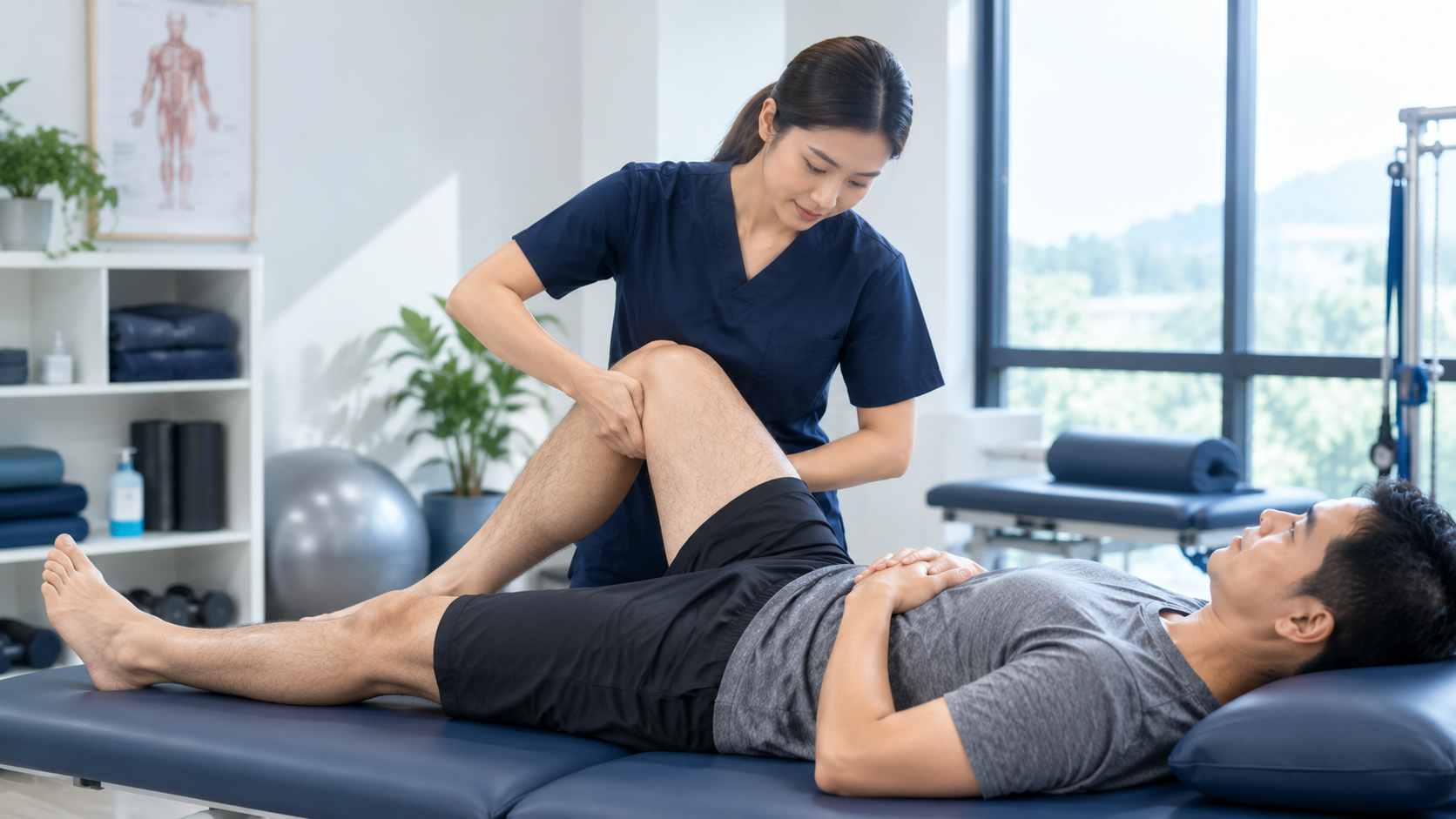
4 Things To Do Between Physiotherapy Sessions

What Should You Do Between Physiotherapy Sessions?

Physiotherapy does not only happen during your scheduled appointment. What you do between sessions can also play an important role in maintaining your progress, building physical capacity and working towards your recovery goals.

Whether you are recovering from surgery, managing pain, rebuilding strength after a stroke or working to improve mobility, your rehabilitation should continue beyond the treatment room.
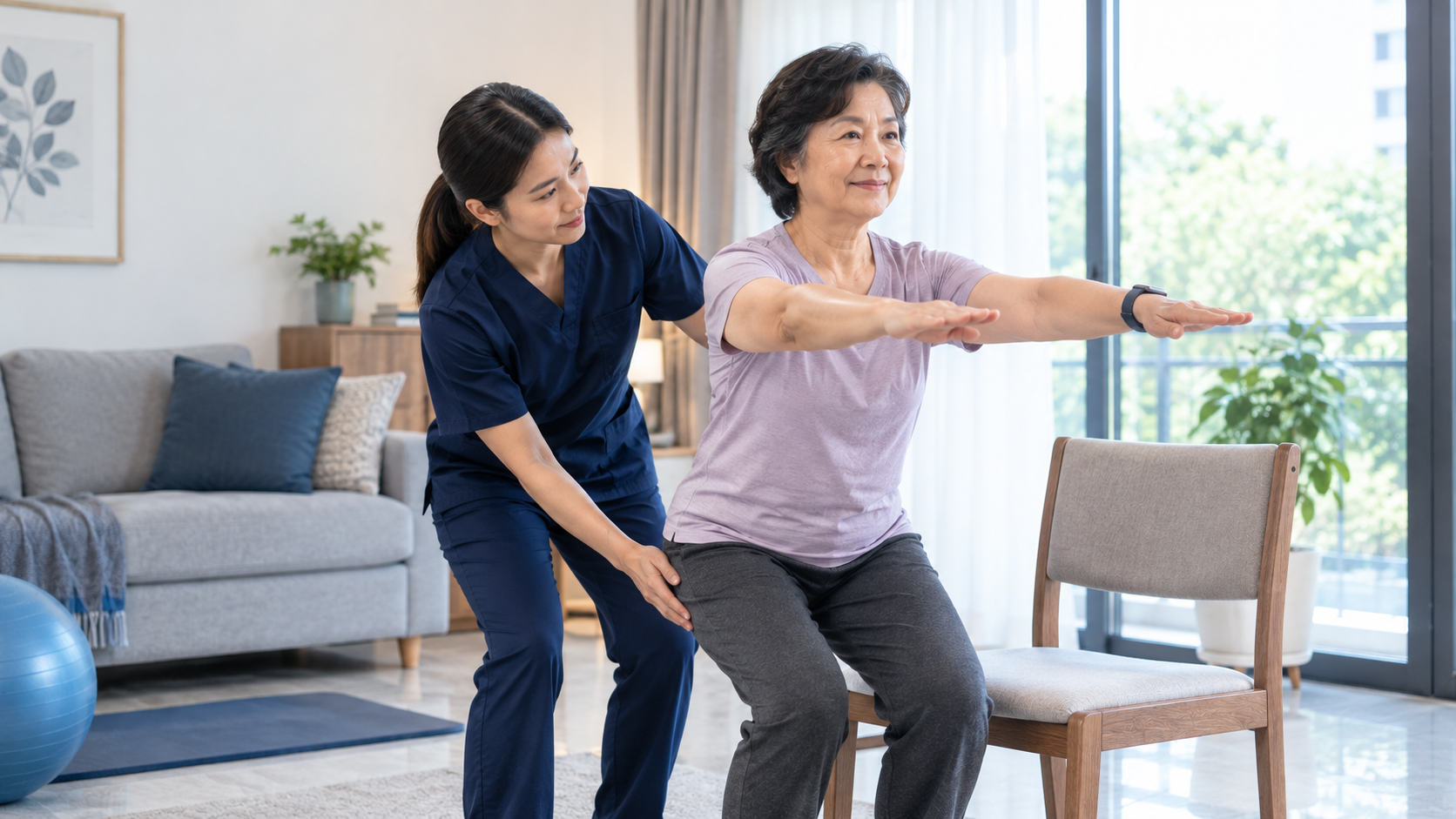
 

Why Does What You Do Between Physio Sessions Matter?

A physiotherapy session provides professional assessment, treatment and guidance, but it is only one part of the rehabilitation process.

Depending on your condition and goals, your physiotherapist may recommend exercises, movement practice or other activities to continue at home. Regular practice can help reinforce what you work on during your sessions and gradually build strength, mobility, balance and physical capacity.

This does not mean doing as much exercise as possible. The right activities, performed at the right intensity and frequency, are more important than simply doing more.

What Should You Do Between Physiotherapy Sessions?

1. Follow Your Home Exercise Programme

Your physiotherapist may prescribe specific exercises based on your condition and current abilities. These may include:

  • Strengthening exercises
  • Stretching and mobility exercises
  • Balance training
  • Walking or functional exercises
  • Exercises to improve coordination and movement control

Follow the recommended technique, repetitions and frequency rather than adding extra exercises on your own. If an exercise causes unusual or worsening symptoms, speak with your physiotherapist before continuing.

2. Track Your Progress and Symptoms

Pay attention to changes in pain, stiffness, strength, balance, mobility and how easily you can perform daily activities.

Simple observations can help your physiotherapist understand how you are responding to your rehabilitation programme and whether adjustments may be needed during your next session.

3. Prioritise Sleep and Recovery

Your body needs adequate rest to recover from physical activity and manage fatigue. Maintain a regular sleep routine and allow yourself enough recovery time, particularly when you are dealing with pain, injury or reduced physical capacity.

If you consistently experience poor sleep or significant fatigue, let your healthcare professional know.

4. Support Your Recovery With Good Nutrition

A balanced diet provides the energy and nutrients your body needs to support physical activity and recovery. Aim for a variety of protein-rich foods, vegetables, fruits, whole grains and healthy sources of fats, while staying adequately hydrated.

If you have specific dietary or medical needs, follow advice from your doctor or dietitian.

What If You Find It Difficult to Continue Rehabilitation at Home?

Knowing what to do between physiotherapy sessions is not always enough. Pain, limited mobility, lack of confidence, fatigue, caregiver responsibilities or difficulty travelling to a clinic can make it challenging to stay consistent with rehabilitation.

For some people, having professional support at home can make rehabilitation more practical and easier to integrate into everyday life.

Home physiotherapy brings professional rehabilitation into your own environment. Instead of only working on exercises in a clinic, a physiotherapist can observe how you move and function in your actual living space and adapt the rehabilitation programme accordingly.

Home Physiotherapy & Rehabilitation in Ipoh

Prime Motion provides personalised home physiotherapy programmes to help patients continue rehabilitation in the environment where they live and carry out their daily activities.

Our home physiotherapy and rehabilitation services may support:

  • Geriatric Rehab: Address age-related weakness, balance problems, and fall risks in older adults
  • Musculoskeletal Rehab: Targeted rehabilitation for joint, muscle, tendon, and ligament injuries
  • Post-operative Rehab: Support recovery after joint replacement, fracture fixation, and other surgical procedures 
  • Stroke/ Neuro Rehab: Help patients affected by stroke, Parkinson’s disease, and other neurological conditions regain daily abilities
  • Pain Management: Support rehabilitation for back pain, neck pain, joint pain and other chronic or acute pain conditions.

If you are finding it difficult to continue rehabilitation at home, contact Prime Motion via phone or WhatsApp at +6012 977 3852 to discuss whether home physiotherapy may be suitable for your needs.

Frequently Asked Questions (FAQ)

Q1: What should I do between physiotherapy sessions?

Follow your prescribed home exercises, stay appropriately active, prioritise sleep and recovery, maintain a balanced diet, and monitor changes in your symptoms and physical function.

Q2: What is home physiotherapy?

Physiotherapy may support people living with various chronic conditions, including cardiovascular disease, diabetes and other conditions that affect physical function. The appropriate approach depends on the individual’s condition and needs.

Q3: Who can benefit from home physio?

There is no single schedule that suits everyone. Frequency depends on the individual’s condition, goals, physical capacity and rehabilitation needs. A physiotherapist can recommend an appropriate programme after assessment.

Q4: Can home physiotherapy replace clinic-based physiotherapy?

It depends on the individual’s condition, rehabilitation goals and ability to travel. For some patients, physiotherapy at home can be used as an alternative or complement to clinic-based rehabilitation, depending on their needs.
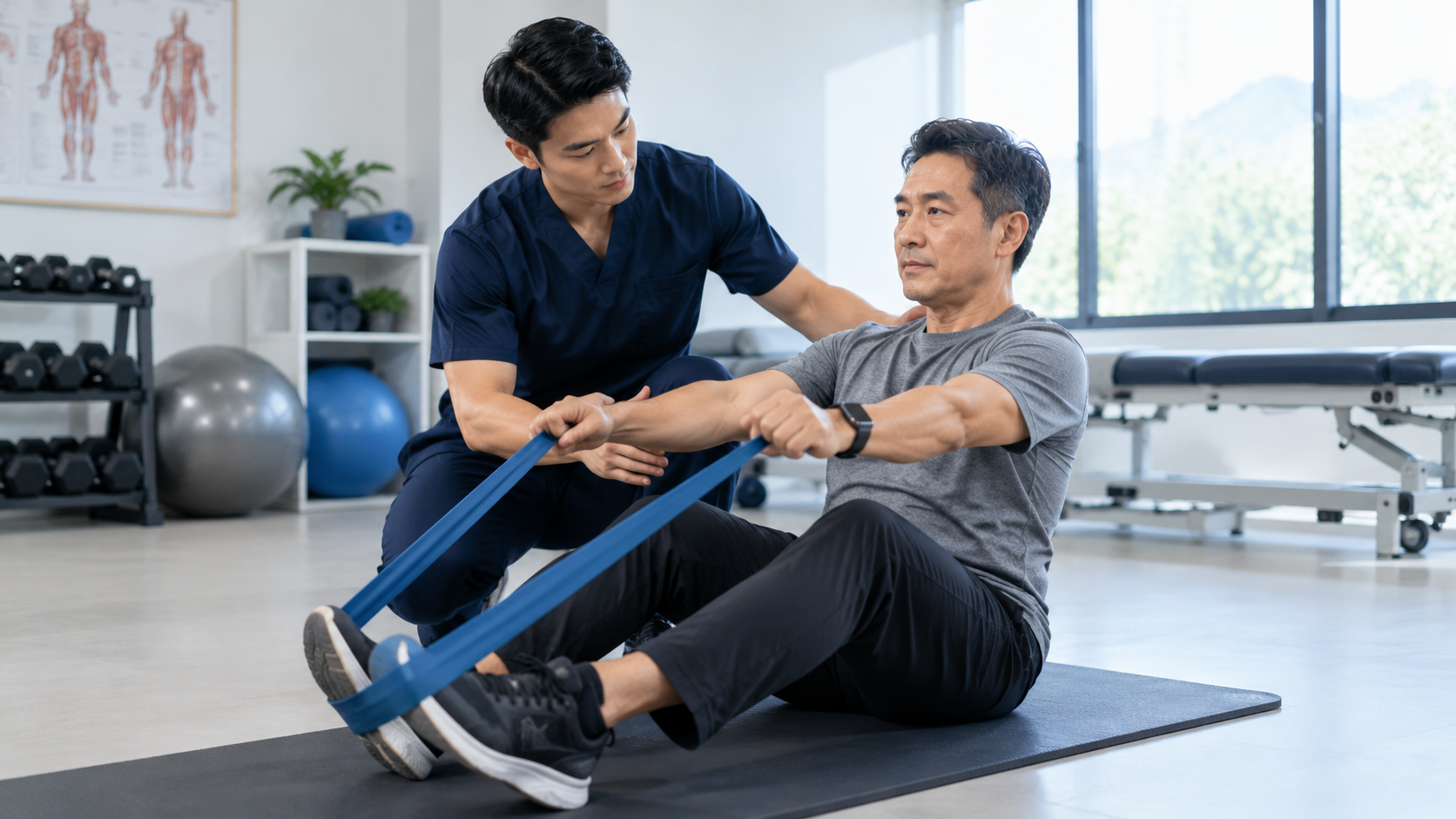
Managing NCDs: How Physiotherapy Can Support Long-Term Health

How Physiotherapy Can Support Managing NCDs

Non-communicable diseases (NCDs) are long-term health conditions that often require ongoing management rather than a short course of treatment. Conditions such as diabetes, cardiovascular disease, hypertension and chronic respiratory diseases can affect physical function, mobility and quality of life over time.

While medical treatment remains an important part of NCD management, physical activity and rehabilitation can also play a role in helping people stay active and maintain their independence. This is where physiotherapy can support long-term health as part of a broader healthcare plan.


What Are NCDs?

NCDs are chronic conditions that are generally not caused by an acute infection and often require long-term care. Common examples include:

  • Cardiovascular diseases
  • Diabetes
  • Hypertension
  • Chronic respiratory diseases
  • Certain cancers

How Can NCDs Affect Movement and Mobility?

NCDs can affect more than a person’s overall health. Over time, some chronic conditions may also affect strength, endurance, balance, mobility and the ability to stay physically active.

For example:

  • Cardiovascular conditions may reduce exercise tolerance and cause fatigue during physical activity.
  • Diabetes may be associated with reduced sensation, weakness or mobility difficulties in some people.
  • Obesity can place greater stress on the joints and make movement more physically demanding.
  • Chronic respiratory conditions may cause breathlessness and reduced exercise capacity.
  • Prolonged inactivity can further contribute to muscle weakness, reduced mobility and loss of physical function.

When these changes make everyday movement or exercise more difficult, people may become less active, creating a cycle of reduced activity → reduced physical capacity → greater difficulty with movement.

How Can Physiotherapy Support NCD Management?

Physiotherapy can support people living with NCDs by focusing on physical function, movement and the ability to stay active. For people living with chronic conditions, a physiotherapist can help assess physical limitations and develop an appropriate exercise and rehabilitation programme based on individual needs and abilities. 

  • Build strength and endurance – through personalised strengthening and cardiovascular conditioning.
  • Improve mobility and balance – helping people move more safely and confidently.
  • Increase physical activity – gradually building tolerance for walking, exercise and daily activities.
  • Maintain independence – supporting the ability to manage everyday activities and remain physically active.

The role of physiotherapy can also vary depending on the condition:

  • Diabetes – support appropriate physical activity and address movement or functional limitations that may affect daily activity.
  • Cardiovascular Conditions & Hypertension – improve physical capacity and exercise tolerance, with activity levels adjusted according to their health status and medical guidance.
  • Obesity – increase physical activity through appropriate strengthening, mobility and conditioning exercises, particularly when pain or reduced mobility makes exercise difficult.
  • Chronic Respiratory Conditions – breathing strategies, mobility and exercise conditioning help suitable patients improve physical capacity and tolerance for activity.

NCD Management and Physiotherapy in Ipoh

At Prime Motion, physiotherapy can form part of a broader approach to managing chronic conditions. The focus goes beyond simply managing symptoms to help patients build physical capacity, improve function, optimise movement and stay active.

According to the individual’s condition and goals, a personalised programme may incorporate:

  • Physiotherapy
  • Therapeutic exercise
  • Physical conditioning
  • Mobility and functional training
  • Physiological and metabolic monitoring
  • Acupuncture, where appropriate
  • Other appropriate rehabilitation approaches

Living with a chronic condition and unsure whether physiotherapy could support your goals? Talk to the Prime Motion team about your condition, physical capacity and activity goals.

Phone/ WhatsApp: +6012 977 3852

Frequently Asked Questions (FAQ)

Q1: Can physiotherapy help with NCD management?

Yes. Physiotherapy can support people with NCDs by addressing physical activity, mobility, strength, endurance and functional limitations as part of a broader healthcare plan.

Q2: What chronic conditions can physiotherapy help manage?

Physiotherapy may support people living with various chronic conditions, including cardiovascular disease, diabetes and other conditions that affect physical function. The appropriate approach depends on the individual’s condition and needs.

Q3: How often should someone with an NCD have physiotherapy?

There is no single schedule that suits everyone. Frequency depends on the individual’s condition, goals, physical capacity and rehabilitation needs. A physiotherapist can recommend an appropriate programme after assessment.

Q4: Where can I get physiotherapy for NCD management in Ipoh?

Prime Motion provides personalised physiotherapy programmes in Ipoh for individuals looking to improve physical function, mobility and activity levels while living with chronic conditions.

Free Muscle Recovery & Reconditioning Class in Ipoh

Free Muscle Recovery & Reconditioning Class in Ipoh 

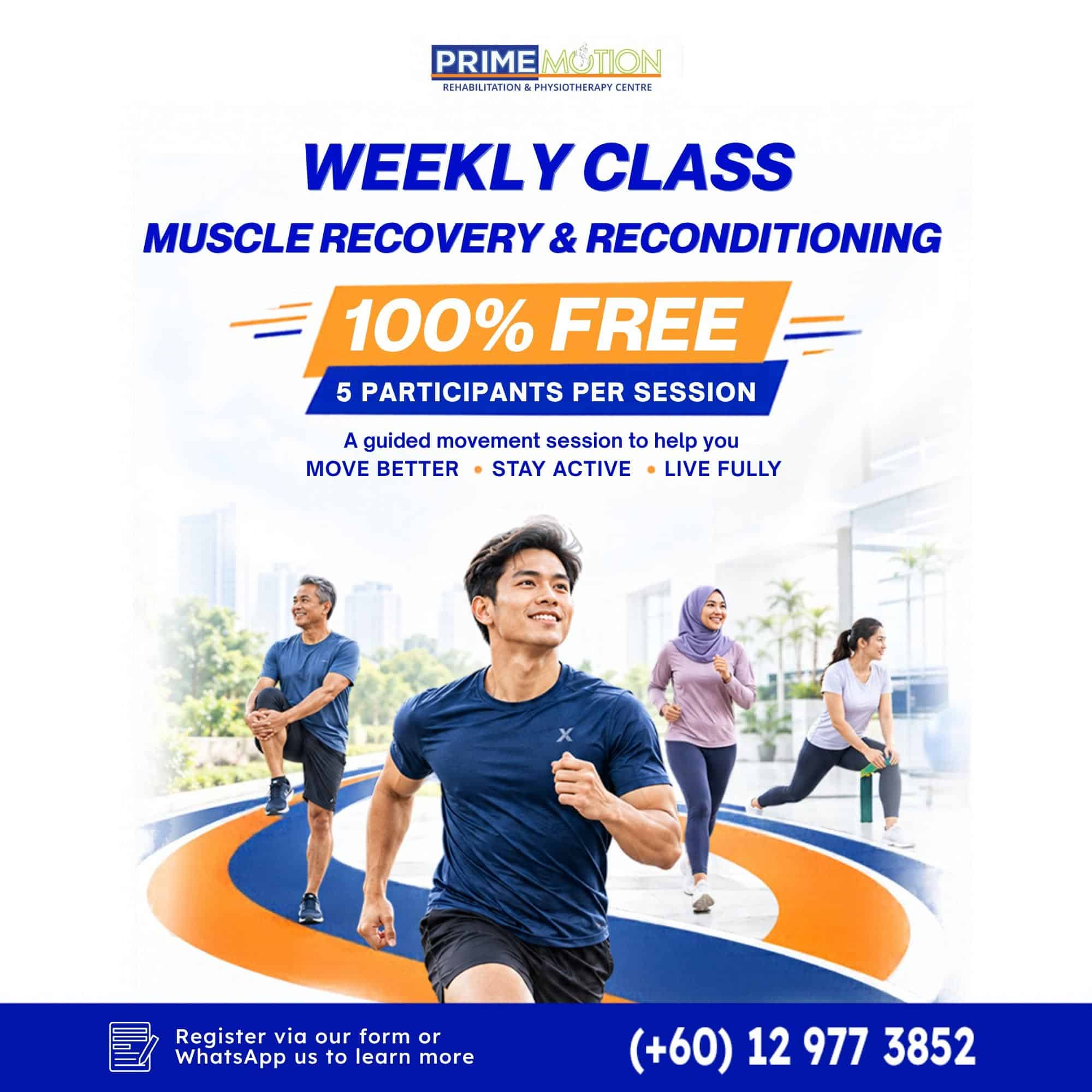
Looking for ways to improve muscle mobility, reduce stiffness and move with greater confidence? Prime Motion Rehabilitation & Physiotherapy Centre introduces a free weekly Muscle Recovery & Reconditioning Class in Ipoh, designed to help suitable participants improve movement quality, muscle activation, coordination and functional mobility.

Whether you experience muscle or joint stiffness, want to maintain your mobility as you age, or are preparing to return to physical activities, learning to move well is an important part of staying active.


Why Is Muscle Recovery and Reconditioning Important?

Movement is essential for maintaining strength, flexibility, balance and physical function. However, prolonged inactivity, limited mobility or returning to activity without appropriate preparation may affect how comfortably and efficiently you move.

Muscle recovery and reconditioning focus on helping your body restore mobility, improve muscle activation and develop better movement control. The goal is not simply to move more, but to build the physical capacity needed for everyday activities and an active lifestyle.

What Is the Muscle Recovery & Reconditioning Class?

Prime Motion’s free weekly class combines practical movement techniques and guided exercises to support better mobility and functional movement.

Sessions may incorporate:

  • Active Muscle Release: Techniques designed to address muscle tightness and support mobility.
  • Proprioceptive Neuromuscular Facilitation (PNF): Techniques that use guided movement and muscle activation to support flexibility and movement control.
  • Corrective Exercises: Targeted exercises to work on movement patterns, coordination, posture and functional ability.

The activities are guided by a practitioner and selected according to the session’s focus and participants’ needs.

Who Can Join the Class?

The class may be suitable for individuals who:

  • Experience muscle or joint stiffness that affects daily movement.
  • Want to improve balance, posture or mobility.
  • Are continuing exercise after completing a rehabilitation programme.
  • Are older adults who want to maintain physical function and stay active.
  • Have non-communicable diseases (NCDs), such as diabetes or osteoarthritis, that may affect their movement capacity.
  • Want to prepare their bodies for sports or other physical activities.

Important: Participants must be able to walk independently and climb stairs independently to access the class venue on the first floor. Ground-level appointments may be available, subject to space availability.

Suitability depends on each individual’s condition and physical ability. If you have significant pain, mobility limitations or a medical condition that affects exercise, consult a healthcare professional before participating.

Class Schedule and Details

Join Prime Motion for a guided movement-based session at no cost.

  • Day: Every Wednesday and Saturday
  • Wednesday hours: 9:00 AM–5:00 PM
  • Saturday hours: 9:00 AM–1:00 PM
  • Starting date: 14 October 2026
  • Duration: 45–60 minutes per session
  • Location: Floor 1, Prime Motion Rehabilitation & Physiotherapy Centre, Ipoh
  • Fee: 100% free

Different time slots are available. You can choose to join one session or multiple sessions.

Each session is limited to a maximum of 5 participants, so early registration is encouraged to secure your preferred time slot. 

Follow Prime Motion on our social media channels for weekly class schedules, topics and updates.

  • Facebook: https://www.facebook.com/profile.php?id=61589869806663
  • Instagram: https://www.instagram.com/primemotioncentre/
  • TikTok: https://www.tiktok.com/@prime.motion.physio 

For any enquiries, feel free to contact us via WhatsApp at +6012 977 3852

Frequently Asked Question (FAQ)

Q1: Is the Muscle Recovery & Reconditioning Class at Prime Motion free?

Yes. The weekly Muscle Recovery & Reconditioning Class at Prime Motion Rehabilitation & Physiotherapy Centre in Ipoh is completely free. Each session lasts approximately 45–60 minutes.

Q2: Who can join the Muscle Recovery & Reconditioning Class?

The class may be suitable for people experiencing muscle or joint stiffness, individuals looking to improve balance, posture and mobility, older adults, people continuing exercise after rehabilitation, and those preparing for sports or other physical activities. Suitability depends on individual needs and physical ability.

Important: Participants must be able to walk independently and climb stairs independently to access the class venue on the first floor. Ground-level appointments may be available, subject to space availability.

Q3: What exercises and techniques are included in the class?

Sessions may include Active Muscle Release, Proprioceptive Neuromuscular Facilitation (PNF) techniques and corrective exercises. These approaches aim to support muscle activation, mobility, coordination and functional movement.

Q4: How often is the class held?

The class is scheduled every Wednesday from 9:00 AM to 5:00 PM and every Saturday from 9:00 AM to 1:00 PM, starting 14 October 2026. Available sessions are scheduled within these operating hours. Follow Prime Motion’s social media channels for weekly schedules and topics.

Q5: Can I attend more than one session?

Yes. You can choose to join one session or multiple sessions, depending on your needs and slot availability. Each session accommodates a maximum of five participants, so early registration is encouraged.

Q6: Where is the Muscle Recovery & Reconditioning Class held?

The class takes place on Floor 1 at Prime Motion Rehabilitation & Physiotherapy Centre in Ipoh.

Q7: How do I register for the free class?

Fill in the registration form or contact Prime Motion via WhatsApp to enquire about available time slots and register for your preferred session. You can also follow Prime Motion on social media for weekly class schedules, topics and updates. 

5 Best Pain Management Techniques for Chronic Pain

5 Best Pain Management Techniques for Chronic Pain

Chronic pain can affect much more than how you feel. Persistent pain may make it harder to sleep, work, exercise, or enjoy everyday activities. While pain medication may be part of a treatment plan, managing chronic pain often involves more than simply trying to reduce pain intensity. 

A personalised approach may combine movement, rehabilitation, education and other evidence-informed therapies to help you manage symptoms and return to the activities that matter to you.

If you are looking for pain management services in Ipoh, understanding the different approaches available can help you make more informed decisions about your recovery.


What Is Chronic Pain?

Chronic pain is generally defined as pain that persists or recurs for more than three months. It can affect different parts of the body, including the back, neck, shoulders, knees and other joints.

Common causes of chronic pain include but are not limited to: 

  • Osteoarthritis and other joint conditions
  • Previous injuries or surgery
  • Musculoskeletal conditions, such as back or neck pain
  • Nerve-related conditions
  • Repetitive strain or overuse
  • Certain long-term health conditions

The experience of chronic pain varies from person to person. This is why there is rarely one treatment that works for everyone. Effective management should consider your symptoms, physical function, daily activities, lifestyle and individual goals.

5 Pain Management Techniques for Chronic Pain

1. Physiotherapy & Therapeutic Exercise

Physiotherapy uses targeted movement, exercise and rehabilitation techniques to improve physical function and help manage pain.

A physiotherapist assesses your pain, movement, strength and physical limitations, then develops an individualised programme. This may include strengthening, mobility exercises, flexibility training, balance work and movement retraining.

It can be particularly useful for chronic musculoskeletal pain, including lower back pain, neck pain, shoulder pain, knee pain and osteoarthritis, especially when pain is affecting movement or daily activities.

2. Manual Therapy Activity

Manual therapy involves hands-on techniques applied by a physiotherapist, such as joint mobilisation and soft-tissue techniques.

These techniques aim to improve joint or soft-tissue movement and may provide short-term pain relief or reduce stiffness. They are often combined with therapeutic exercise to support longer-term improvements.

Manual therapy may be considered for certain musculoskeletal conditions involving joint stiffness, restricted movement or soft-tissue discomfort, such as some types of neck, shoulder or back pain. Unlike exercise-based rehabilitation, manual therapy is a hands-on technique, but it is generally used as part of a broader treatment programme rather than as a standalone solution.

3. Physical Activity

Physical activities involve regular, appropriate movement such as walking, stretching, cycling, swimming, or low-impact strengthening exercises. The type and intensity should be adjusted based on your condition and physical ability.

Regular movement can help maintain joint mobility, improve muscle strength and physical function, and gradually build tolerance to activities that may otherwise trigger pain.

It can be useful for people with persistent musculoskeletal pain, osteoarthritis and other chronic conditions where pain has led to reduced activity, weakness or loss of physical function.

4. Pain Education & Self-Management

Pain education helps patients understand their pain, while self-management strategies help them manage symptoms and maintain daily activities.

A healthcare professional may explain factors that can influence pain, help identify activities that aggravate symptoms, and teach strategies such as pacing, activity modification and appropriate exercise.

This approach can be particularly useful for people with persistent or chronic pain where fear of movement, reduced activity or difficulty managing flare-ups has started to affect daily life. Unlike hands-on treatments, pain education focuses on helping people understand and actively manage their condition outside treatment sessions.

5. Acupuncture

Acupuncture involves inserting very fine needles into specific points on the body as a therapeutic technique. 

Acupuncture may influence pain processing and can be used as part of a broader recovery programme. Its effects and suitability can vary depending on the individual and type of pain.

Acupuncture may be considered for certain types of chronic primary pain, particularly when persistent pain continues to affect quality of life despite other approaches.

Acupuncture Services at Prime Motion

Led by Dr. Devanandhini Krisnan, one of the few practitioners in Malaysia trained in both Western Pain Medicine and Traditional Chinese Medicine (TCM). Treatment is personalised to your condition and recovery goals and may be combined with physiotherapy for suitable patients.

Considering acupuncture in Ipoh? Contact Prime Motion via phone or WhatsApp at +60 129 773 852 to find out if it may be suitable for you.

Pain Management in Ipoh

At Prime Motion, pain management goes beyond simply relieving pain. Our professional team combines different evidence-informed techniques based on your condition, needs and recovery goals:

  • Manage pain with appropriate pain management techniques
  • Restore function and improve strength, mobility and physical capacity
  • Optimise movement to help you move more efficiently and confidently
  • Return to daily activities, work or sport with a structured rehabilitation approach

Looking for pain management in Ipoh? Contact Prime Motion to discuss your needs and find the right approach for you.

More information about pain management treatment at Prime Motion: https://primemotionphysio.com/service/pain-management/ 

Frequently Asked Questions (FAQ)

Q1: What is the best treatment for chronic pain?

There is no single treatment that works for everyone. Pain management may involve a combination of physiotherapy, physical activities, manual therapy, acupuncture and self-management strategies, depending on the type and cause of pain and recovery goals.

Q2: When should I see a professional for chronic pain?

Consider seeking professional advice when pain persists, affects your daily activities, sleep or work, or continues despite self-care. A proper assessment can help identify suitable pain management approaches.

Q3: Where can I get pain management treatment in Ipoh?

Prime Motion provides personalised pain management using a range of physiotherapy and complementary techniques based on individual needs and recovery goals.

Contact Prime Motion via phone or WhatsApp at +60 12-977 3852 to schedule an initial assessment. 

Q4: Who provides acupuncture at Prime Motion in Ipoh?

Acupuncture at Prime Motion is led by Dr. Devanandhini Krisnan, a Pain Medicine Specialist and licensed TCM Practitioner trained in both Western Pain Medicine and acupuncture. Her approach combines her pain medicine and TCM expertise to provide personalised acupuncture treatment based on each patient’s condition and recovery goals.ser

Introducing MotionX: The Integrated Movement Recovery and Optimisation Programme In Ipoh

MotionX: The Integrated Movement Recovery and Optimisation Programme In Ipoh 

Prime Motion is proud to introduce MotionX, a personalised, integrated Movement Recovery & Optimisation Programme designed around where you are now, where you want to be, and what you need to get there. This programme helps individuals move better, restore balance and posture, build physical capacity and prepare your body for daily activities — whether at the gym, at work, with family, while travelling or simply staying active.

Getting better does not mean the same thing for everyone.

For some people, recovery means being able to walk independently again. For others, it means returning to work after an injury or surgery, getting back to exercise and sport, or building the physical capacity to perform at their best.

At Prime Motion Rehabilitation & Physiotherapy Centre, we believe your recovery journey should reflect your individual goals — not follow a fixed treatment plan.


What Is MotionX?

MotionX is a personalised, outcome-led programme that brings together functional assessment, physiotherapy, acupuncture when appropriate, and muscle recovery and reconditioning to create a structured pathway towards your movement goals.

Rather than focusing only on treating a condition or completing a set number of physiotherapy sessions, this programme starts by understanding your current health, physical capacity and movement, then identifying what you want to achieve.

Your pathway is built around that goal and can be adjusted as you progress.

What Can You Achieve with MotionX?

Everyone starts from a different point, and everyone has a different definition of getting better.

This programme focuses on four key outcomes:

1. Return to Work

If pain, injury, surgery or reduced physical capacity is making it difficult to return to work, Prime Motion can help you build the strength, mobility and confidence needed to manage the physical demands of your job.

2. Return to Physical Activity

Whether you are recovering from an injury, managing pain or experiencing reduced mobility, MotionX can help you work towards returning to the activities, hobbies and sports you enjoy.

3. Improve Function

For individuals experiencing difficulty with everyday movement, the goal may simply be to move more easily and independently. We aim to  improve your functional movement for activities such as walking, standing and getting around safely.

4. Performance

If you want to improve your physical performance, MotionX can help develop strength, mobility, endurance and movement capacity to support your training, sport or other physical goals.

Your goal determines the destination — and your pathway is built around helping you get there.

What Does a MotionX Programme Include?

Your goals may require more than one treatment approach. Depending on your assessment and individual needs, your programme may combine different services and interventions.

1. Functional Assessment

The journey begins with an assessment of your health, physical capacity and movement. This helps establish your baseline, identify limitations and determine the most appropriate pathway for your goals.

2. Physiotherapy

Individualised physiotherapy can help manage pain, restore mobility and improve function during recovery from injury, surgery and other movement-related conditions.

3. Acupuncture

Acupuncture may be used as a complementary treatment alongside physiotherapy to help manage pain, reduce muscle tension and support recovery.

4. Muscle Recovery & Reconditioning

Individualised exercise and movement training based on the 7 Fundamental Movement Patterns to restore function, build physical capacity and prepare your body for everyday activities.

5. Physiological & Metabolic Monitoring

For individuals managing NCD-related health needs, selected health and exercise indicators may be monitored to help guide safe exercise progression.

The combination of services is not the same for everyone. Your pathway is determined by your condition, current abilities, goals and progress.

How Does MotionX Work?

Prime Motion follows a simple but personalised process:

Assess

We assess your health, physical capacity and movement to understand where you are now.

Set Your Goal

We identify what you want to achieve and what matters most to you — whether it’s moving more easily and confidently in everyday life, staying ready for work, getting back to the activities you enjoy, or building the physical capacity to perform at your best.

Build Your Pathway

Based on your assessment and goals, we define your current recovery stage and create a personalised programme using the most appropriate services and interventions, tailored to your condition, physical activity, needs and goals.

Progress & Optimise

Your progress is regularly reviewed. Your programme can then be adjusted as your movement, physical capacity and needs change.

This means your pathway does not have to remain fixed throughout your recovery or training journey.

Who Can Benefit from MotionX?

This programme could be a suitable approach for your condition if you: 

  • Feel stiff, weak, imbalanced or less mobile due to prolonged sitting, inactivity, ageing or lifestyle.
  • Find everyday activities getting harder — such as walking, climbing stairs, getting up from a chair or carrying things.
  • Live with a health condition such as diabetes, hypertension or gout, and feel physically weaker or less active.
  • Exercise regularly but struggle with muscle tightness, poor balance, recurring discomfort, poor movement quality or difficulty recovering.

Start Your MotionX Journey with Prime Motion

Whether you are managing pain, recovering from an injury or surgery, working towards returning to physical activity, or looking to improve your physical performance, MotionX provides a personalised pathway built around your needs and goals.

Speak with Prime Motion to learn more about this programme and find out whether it is the right approach for your movement goals.

Phone / WhatsApp: +60 12-977 3852

Frequently Asked Questions (FAQ)

Q1: What is MotionX?

MotionX is a personalised Movement Recovery & Optimisation Programme designed around your goals, needs and current physical capacity. It combines physiotherapy, acupuncture when appropriate, and muscle recovery and reconditioning into a structured pathway to help you move better, restore balance and posture, build physical capacity and prepare your body for daily activities — whether at the gym, at work, with family, while travelling or simply staying active.

Q2: How is MotionX different from regular physiotherapy?

Regular physiotherapy can be provided as individual sessions or treatment packages, while MotionX takes a broader, outcome-led approach. Your programme is built around a specific goal, may combine different services and is regularly reviewed and adjusted as you progress.

Q3: Do I need this programme if I already receive physiotherapy?

Whether MotionX is right for you depends on your goals, current abilities and assessment. Your physiotherapist and practitioner will assess where you are now and recommend the most appropriate pathway to help you work towards where you want to be.

Contact Prime Motion via phone or WhatsApp at +60 12-977 3852 for an initial assessment. 

Q4: What does a MotionX programme include?

Your pathway is personalised and may combine different services depending on your assessment and goals. These may include functional assessment, physiotherapy, acupuncture when appropriate, muscle recovery and reconditioning, with physiological or metabolic monitoring where appropriate, particularly for those living with chronic health conditions.

Q5: How do I know if MotionX is right for me?

It depends on your goals, current abilities and assessment. Your initial assessment helps us understand where you are now and what you want to achieve, so we can determine whether MotionX and its personalised pathway are right for you.

It could be a suitable approach for your condition if you:

  • Feel stiff, weak, imbalanced or less mobile due to prolonged sitting, inactivity, ageing or lifestyle.
  • Find everyday activities getting harder — such as walking, climbing stairs, getting up from a chair or carrying things.
  • Live with a health condition such as diabetes, hypertension or gout, and feel physically weaker or less active.
  • Exercise regularly but struggle with muscle tightness, poor balance, recurring discomfort, poor movement quality or difficulty recovering.